

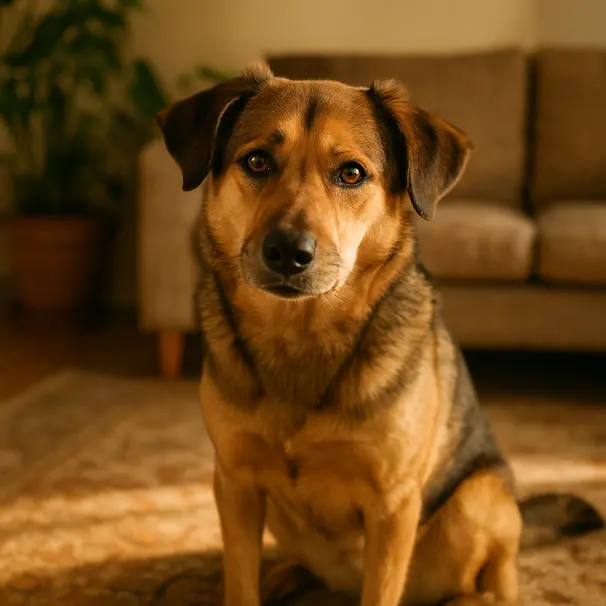
Can dogs feel embarrassed? A friendly look
You know that moment when your dog sneaks around the living room with a guilty-looking face after knocking over a plant, or when they freeze mid-play because every human in the room suddenly notices them? It’s tempting to call that embarrassment. Pet owners and carers often read human emotions into dog behavior, and it’s easy to see why. Dogs have expressive faces, reactive bodies, and a knack for mirroring our reactions.
This guide explores what scientists and behaviorists think about embarrassment in dogs, the signs that might look like embarrassment, why dogs show those behaviors, and practical steps you can take to help a shy or uncomfortable pup. If you love dogs, you’ll find useful tips here you can try at home or share with a trusted carer.
What we mean by embarrassment
Embarrassment in humans is a social emotion that involves self-consciousness, worry about judgment, and awareness of how others see us. It often comes with flushed cheeks, awkward smiles, or a desire to hide. For dogs, we can’t ask them to describe how they feel, so we rely on body language and context.
When people say a dog is embarrassed, they usually mean the dog looks sheepish, avoids eye contact, lowers their head, or moves away after doing something attention-grabbing. These behaviors are real, but they may not come from the same internal experience humans call embarrassment. Instead, they might reflect other emotional states that look similar.
Signs that look like embarrassment
Here are common behaviors owners label as embarrassment. Keep in mind, context matters, and one sign alone doesn’t tell the whole story.
- Avoiding eye contact, turning the head away or looking down after an event.
- Low body posture, including crouching, tucking the tail, or shrinking away.
- Sudden stillness or freezing when all attention falls on them.
- Submissive grinning or lip licking, which some people interpret as an apologetic expression.
- Walking slowly away or hiding behind furniture or a person.
These actions are often social signals. In dog language, they can mean uncertainty, appeasement, or a desire to reduce conflict. People seeing a guilty or embarrassed face may be interpreting a social calming signal through a human lens.
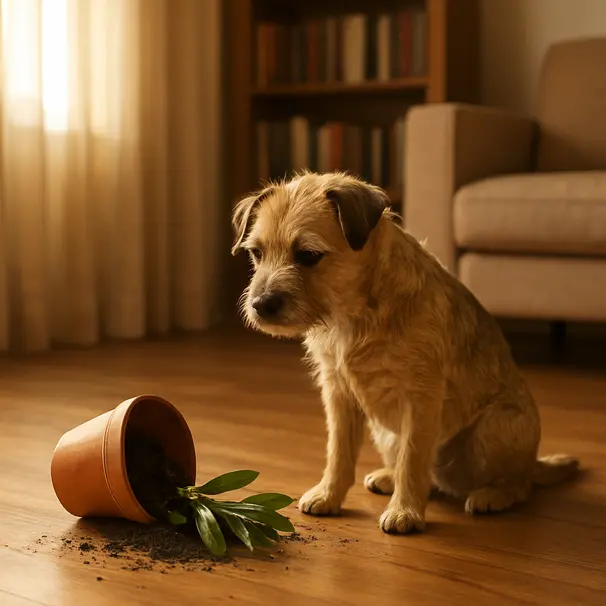
A dog looks away after drawing attention in a living room.
Why dogs may show embarrassed-like behavior
There are a few reasons a dog might react in ways that look like embarrassment. Understanding the root helps you respond calmly and helpfully.
1. Learned responses to human reactions
Dogs are highly attuned to human cues. If a dog has been scolded after a particular behavior, they may learn to offer a submissive pose or avoid eye contact when they sense tension. The gesture becomes associated with a reduction in the human’s intensity, not a feeling of shame the way humans experience it.
2. Social appeasement
Dogs live in social groups, and many signals we call submissive or sheepish are actually polite requests to lower conflict. When a dog lowers its head, avoids direct stare, or shows a soft body, it’s often trying to say, I’m not a threat. These signals can appear when something unexpected happens and everyone notices.
3. Confusion or uncertainty
When a dog experiences something new or is unsure about the right response, they may freeze, look puzzled, or move slowly. That same puzzled look can look like embarrassment to a person who expects a different reaction.
4. Stress or anxiety
Stress can produce similar behaviours: lip licking, yawning, pacing, or looking away. Since stress and embarrassment both involve heightened attention to social context, they can look alike. If you suspect stress, consider ways to reduce triggers and provide reassurance, and consult a vet or behaviorist for persistent issues.
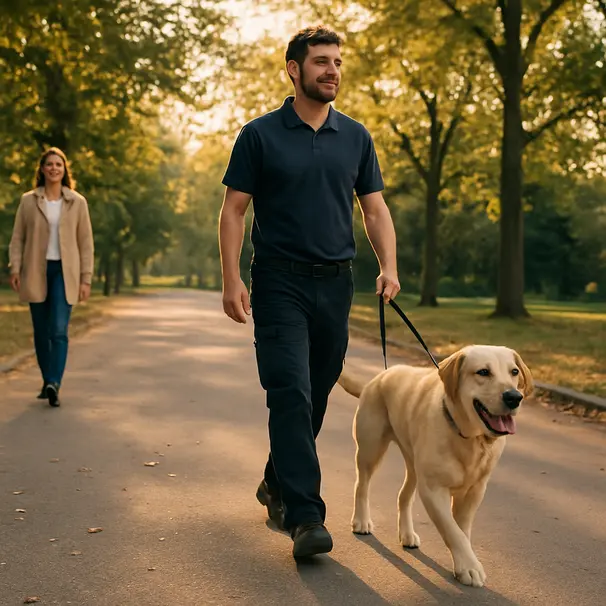
A calm walk with a caregiver builds social confidence.
What the science says
Researchers debate whether dogs experience self-conscious emotions like humans do. A few studies suggest that dogs respond to being observed, and their behavior changes if an apparent human observer watches them. That might indicate they understand someone is paying attention, rather than feeling embarrassment in a human sense.
More complex emotions, like guilt or embarrassment, require a certain level of self-awareness. Some scientists think dogs may have basic self-awareness, enough to understand cause and effect about their actions in a social context. Others argue dogs’ reactions are learned social responses without the inner narrative humans have. The honest answer is we don’t have a definitive conclusion yet.
How to tell if it’s embarrassment, stress, or something else
Because similar behaviors can mean different things, look at the whole picture. Ask yourself:
- What happened just before the behavior started?
- How does the dog behave around different people or in other places?
- Are there additional stress signs like panting, whining, shaking, or changes in appetite?
- Has the dog been punished or scared for similar actions in the past?
Context clues help you interpret behaviour more accurately. If a dog only shows the sheepish look after being scolded, it may be a learned submissive response. If it happens when they are overwhelmed by attention, it may be social uncertainty or mild stress. If behaviour changes are dramatic or sudden, consider getting professional advice.
Practical ways to respond as an owner or carer
How you react matters. Your response can either reassure a dog or unintentionally reinforce anxious behaviour. Here are warm, practical steps you can try.
1. Stay calm and neutral
A calm, relaxed voice and body language tell a dog there’s nothing to worry about. Avoid loud scolding that makes them more anxious. If you need to redirect behaviour, do it gently and immediately.
2. Reward confident choices
Encourage behaviors you want by rewarding calm, confident actions. If your dog walks away from a stressful situation and sits quietly, mark that with praise or a small treat. Positive reinforcement can build trust and reduce the need for appeasement displays.
3. Teach clear alternatives
Train simple cues that give a dog a choice. Teaching a reliable sit, settle, or a safe place cue provides an alternative behavior when they feel uncertain. Practice these regularly in low-stress settings, then use them when attention ramps up.
4. Avoid accidental reinforcement
If a dog shows a guilty look after misbehaving and you respond with exaggerated attention, you may be rewarding the behavior. Try to keep reactions consistent. Calmly redirect, then return to normal. That helps the dog learn boundaries without getting more anxious.
5. Create safe spaces
A cozy crate, a quiet corner, or a comfy bed where your dog can retreat reduces stress. Dogs who feel secure are less likely to produce appeasement behaviours that look like embarrassment. Make these spaces inviting with familiar toys and gentle praise when they use them.
6. Work with carers and sitters
If you use pet carers, communicate your dog’s comfort signals and preferred handling style. Share what calms the dog and what to avoid. Consistent responses from all caregivers help your dog feel safe and reduce awkward, anxious moments.
Training tips to build confidence
Confident dogs tend to show fewer submissive or uncertain signals. Small, consistent training steps can make a big difference.
- Short, frequent sessions: Keep training brief and fun to build success.
- Reward small wins: Even slight attempts at a desired behavior deserve praise.
- Socialize gradually: Introduce new people and places slowly, especially if your dog is shy.
- Use interactive play: Games that tap into natural drives, like nose work or fetch, boost self-assurance.
- Consider a behaviourist: For deep-seated anxieties, a qualified behaviourist can create a tailored plan.
If you notice worrying signs like sudden aggression, severe withdrawal, or dramatic changes in eating and toileting, consider consulting a vet to rule out medical causes.
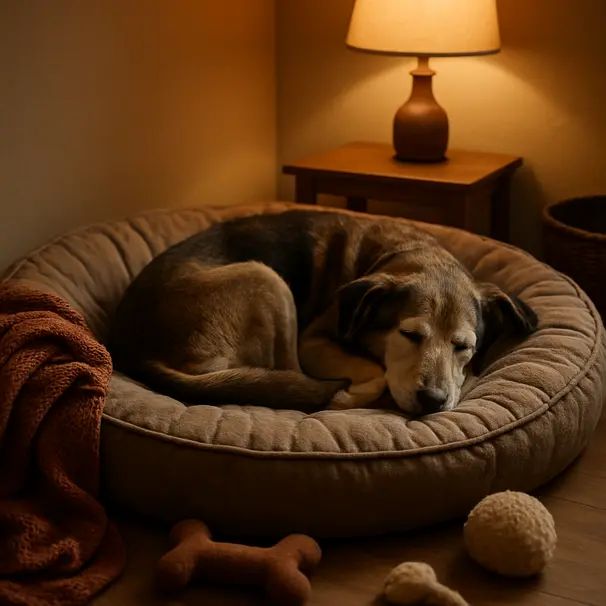
A quiet safe space helps anxious dogs settle down.
Real-life examples from carers and owners
A dog walker once told me about a terrier who would freeze and look sheepish whenever a group of kids waved excitedly. The walker helped by introducing calm greetings, using treats to reward relaxed behavior, and teaching the terrier a sit-stay cue. After a few weeks the dog would sit calmly as kids said hello, and the embarrassed-looking freeze faded.
Another owner shared how their Labrador would act guilty after stealing socks, even when no one was home. The owner changed management, keeping tempting items out of reach and praising the dog for choosing a toy instead. The Labradors behavior shifted, and the apologetic face appeared less often.
These stories show that thoughtful changes, consistency, and kind training often ease the behaviors that look like embarrassment.
When to seek professional help
If your dog’s behavior causes concern, or if attempts to make things better don’t help, reach out for support. A veterinarian can check for health issues that influence behavior. A certified canine behaviourist or trainer can assess social patterns and design a behavior plan. For dogs with severe anxiety, a team approach often works best.
Final thoughts for loving owners and carers
Calling a dog embarrassed is a natural, human way to make sense of their actions. While dogs might not experience embarrassment exactly like we do, they certainly react to social situations, learn from interactions, and show behaviors that ask for calm and guidance.
As an owner or carer, your best tools are patience, consistency, and kindness. Watch for context, offer clear, calm reactions, and build confidence through positive training. Over time, many dogs become more relaxed and show fewer sheepish moments. And if you ever feel unsure, reaching out to a professional can make a big difference.
At Floofy, we believe thoughtful carers and informed owners help dogs live their happiest lives. Try a few gentle strategies, and enjoy the silly, endearing little quirks that make every dog special.