

Can dogs eat beans? A friendly, practical guide
If you’ve ever watched your dog sniffing at your plate of chili or eyeing a bowl of edamame, you’re not alone. Beans pop up in lots of human meals, and it’s natural to wonder if sharing a few is okay. The short answer is: sometimes. Some beans can be a healthy treat in small amounts, while others can cause tummy trouble or more serious issues if not prepared correctly.
Quick takeaways
- Plain, cooked beans like green beans and plain black beans may be safe in moderation.
- Avoid raw or undercooked beans such as raw kidney beans, and flavored or seasoned canned varieties that contain salt, onion, garlic, or spices.
- Introduce any new food slowly, watch for digestive upset, and consider your dog’s size, age, and health.
Why beans show up in dog-food conversations
Beans are a plant-based source of fiber, some protein, and vitamins. For people, they’re a filling, nutritious ingredient. For dogs, a few beans can add texture, fiber, and a little extra plant protein. Some commercial dog foods also use bean-derived ingredients as a source of carbohydrates or protein.
That said, dogs and humans digest plant foods differently. Dogs are omnivores with a meat-biased diet. Beans can be beneficial in moderation, but they shouldn’t replace complete, balanced dog food formulated to meet canine nutritional needs. Think of beans as an occasional treat or supplement rather than a staple.
Safe types of beans (when prepared properly)
Here’s a rundown of beans that are commonly considered safer for dogs, provided they are plain, cooked, and offered in appropriate portions.
Green beans
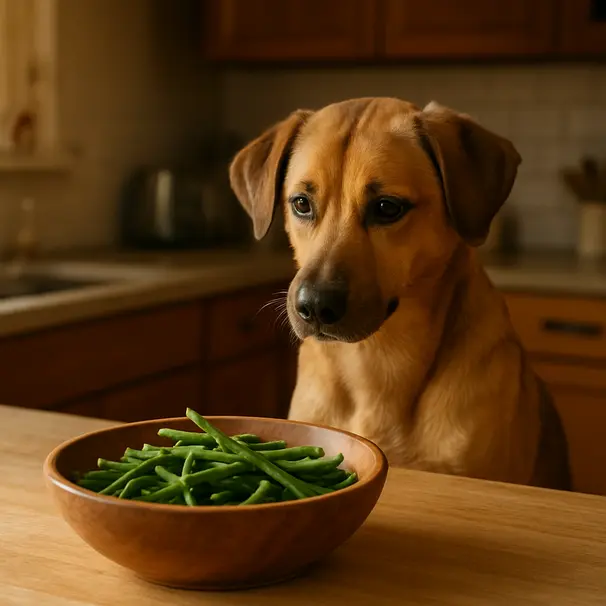
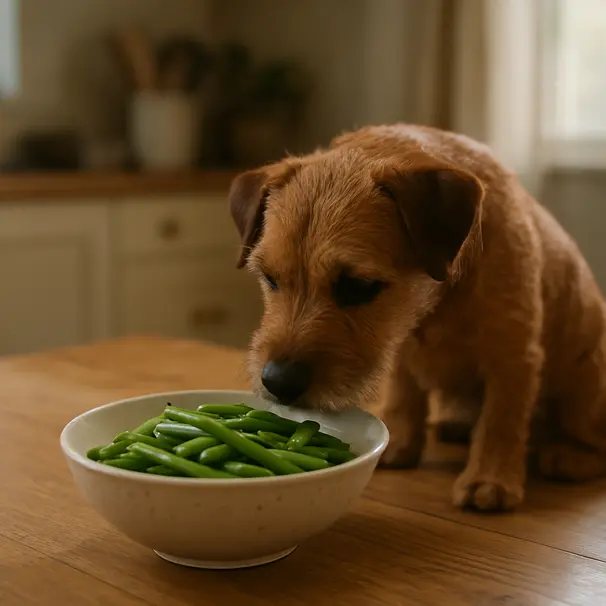
Green beans are a favorite go-to. They’re low in calories, high in fiber, and many dogs enjoy the crunch if you give them raw green beans. Lightly steamed or cooked green beans are even easier to digest. They may help fill a hungry pup without adding many calories, which can be handy for dogs on a weight-management plan. Always avoid green beans canned with salt or other additives.
Black beans and pinto beans (cooked, plain)
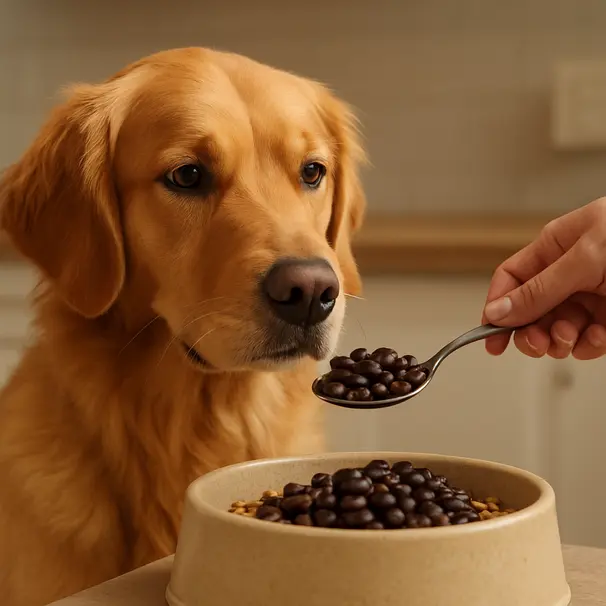
Plain, well-cooked black or pinto beans can be offered in small amounts. They add fiber and some plant protein. Rinse beans from a can thoroughly if you don’t have time to cook dried beans, but remember to choose low-sodium or no-salt-added options and serve sparingly.
Chickpeas (garbanzo beans), lentils, and split peas
These legumes are used in some dog foods and treats. Cooked chickpeas, lentils, and split peas are generally tolerated by many dogs. They may cause gas if introduced suddenly, so start with small amounts. Avoid hummus or spiced chickpea dishes; many contain garlic, onion, lemon, or oils that aren’t dog-friendly.
Beans to be cautious with or avoid
Not all beans are created equal for dogs. Some are unsafe when raw, and others are often prepared in ways that make them harmful.
Raw or undercooked kidney beans
Kidney beans contain a natural compound called phytohaemagglutinin that can be toxic if the beans are raw or undercooked. Cooking them thoroughly usually destroys the compound, but it’s safest to avoid feeding red kidney beans unless they’ve been properly prepared and cooled. When in doubt, skip them.
Baked beans, chili, and seasoned canned beans
Many prepared bean dishes include onion, garlic, salt, sugar, or spices. Onions and garlic are toxic to dogs in certain amounts. Salt and rich sauces can cause gastrointestinal upset or contribute to long-term health problems. Baked beans and chili are off-limits for pups.
Raw broad beans (fava beans) and some exotic varieties
Some beans, like raw broad (fava) beans, may cause problems in certain animals. While not common in everyday dog diets, these beans can carry risks for dogs with certain sensitivities. Err on the side of caution and avoid feeding unfamiliar raw legumes.
Canned beans with high sodium, sauces, or flavorings
If you use canned beans, choose no-salt-added varieties and rinse them well. Even then, canned beans should be an occasional treat, not a large portion of a meal.
How to prepare beans safely for dogs
Preparation matters. A handful of plain, cooked beans is very different from a spoonful of chili.
- Cook thoroughly: Dried beans should be soaked and fully cooked. This reduces compounds that can cause digestive upset.
- Keep them plain: Skip salt, butter, sauces, and seasonings. No onion or garlic. No chili powder, cumin, or other spices.
- Cut small for small dogs: Mash or chop larger beans to reduce choking risk and aid digestion.
- Start small: Give one or two beans as a test. Wait 24 hours for signs of digestion issues before offering more.
- Use canned beans carefully: Rinse canned beans thoroughly to reduce sodium. Choose low-sodium or no-salt-added options when possible.
Portion guidance
Less is more. Beans are high in fiber and can cause gas or loose stools when given in excess. A good guideline is to keep treats, including beans, to under 10% of daily calories. For many dogs, a tablespoon or two of beans is plenty as an occasional treat. Larger dogs may tolerate more, while small dogs need far less.
Consider your dog’s overall diet, weight goals, and any medical conditions. If your dog has diabetes, pancreatitis, or a sensitive stomach, consult your vet before introducing legumes.
Signs your dog isn’t tolerating beans
Even safe beans can cause stomach upset in some dogs. Watch for:
- Vomiting
- Diarrhea or loose stools
- Increased gas
- Abdominal discomfort or bloating
- Lack of appetite or lethargy after eating beans
If your dog shows severe symptoms like repeated vomiting, severe abdominal pain, difficulty breathing, or collapse, seek emergency veterinary care. For mild or moderate digestive upset, call your regular vet for advice. It’s always okay to ask before trying a new food.
Simple, dog-friendly bean snack ideas
If your dog enjoys beans and tolerates them well, try these simple options:
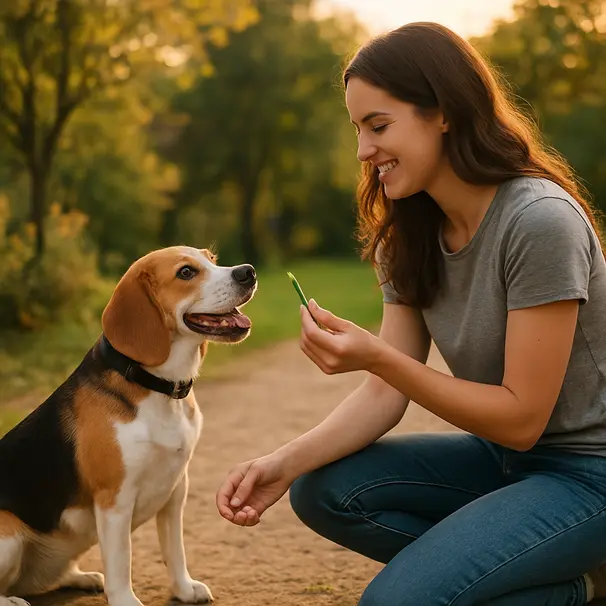
- Steamed green bean treats: Steam until tender and cool. Serve a few whole for a crunchy snack.
- Mashed black beans topper: Mix a small spoonful of plain, cooked black beans into their regular food as an occasional topper.
- Chickpea crunch: Roast plain, cooked chickpeas until crisp (no oil, salt, or spices). Offer a few as a crunchy training reward for medium to large dogs.
- Frozen green bean ice cubes: Blend green beans with water and freeze in small cubes for a low-calorie summer treat.
Avoid hummus, baked beans, or anything with added garlic, onion, or excess fat.
Beans and special dietary needs
If your dog has kidney disease, pancreatitis, diabetes, or a history of digestive sensitivity, talk with your veterinarian before adding beans. Beans have carbohydrate and fiber content that may affect blood sugar, and some kidney issues require careful management of phosphorus and protein. Your vet can help you decide whether a few plain beans are acceptable for your dog.
Tips for pet carers and dog sitters
If you’re caring for someone else’s dog, check with the owner before offering human food. Even well-intentioned treats can cause problems. Ask about:
- Known allergies or sensitivities
- Medical conditions or special diets
- Typical treat preferences and portion limits
When in doubt, offer a small piece of plain cooked green bean or a store-bought dog treat instead. Communicating clearly with the owner prevents surprises and keeps the dog safe.
Frequently asked questions
Can puppies eat beans?
Puppies have delicate digestive systems. A few small, plain, cooked beans might be okay as an occasional treat, but they aren’t necessary. Speak with your vet before introducing beans to a puppy’s diet.
Are canned beans okay for dogs?
Canned beans can be used in a pinch if thoroughly rinsed and low-sodium. Still, homemade cooked beans are best because you control seasonings and cooking time.
Do beans cause gas in dogs?
Some beans can cause gas, especially when introduced suddenly. Start with small amounts and monitor. If your dog gets gassy, reduce or stop feeding beans.
Final thoughts
A few plain, well-prepared beans can be an enjoyable, low-calorie treat for many dogs. Green beans, plain black beans, and cooked chickpeas are commonly tolerated when served in moderation. Avoid raw or undercooked kidney beans and any beans prepared with onion, garlic, heavy salt, or spices. Always introduce new foods slowly, watch for signs of intolerance, and check with your veterinarian if your dog has health conditions.
As with most human foods, beans should complement a complete and balanced dog diet, not replace it. When in doubt, choose simple, plain options and prioritize your dog’s safety. And if your pup gives you that pleading look when you reach for your bowl, you can still share a tiny, plain taste—just keep it safe and tiny.
If you’re using Floofy to find a pet carer, mention your dog’s treat preferences and any dietary restrictions in the profile. A little communication helps carers keep tails wagging and tummies happy.