


Can dogs eat blueberries? A friendly guide for pet owners and carers
If you love sharing little bites with your furry friend, blueberries probably crossed your mind. They look harmless, smell sweet, and seem like the kind of snack a responsible dog parent would offer. The short answer is yes, many dogs can eat blueberries, and they can make a terrific occasional treat and enrichment toy. Let’s walk through the what, why, and how, so you and your pup can enjoy blueberries safely.
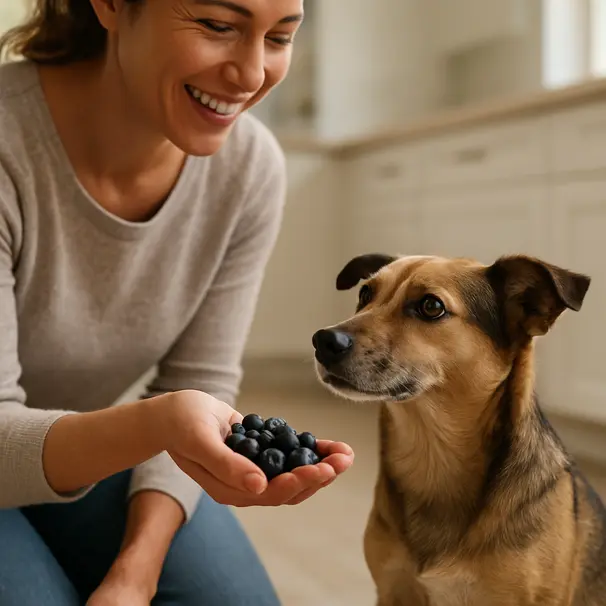
Are blueberries safe for dogs?
Most plain, fresh blueberries are safe for dogs to eat in small amounts. They are soft, bite-sized, and usually easy for dogs to chew. Blueberries are often recommended as an alternative to calorie-dense commercial treats, especially if you want a portion-controlled option you can feel good about.
Still, a few simple rules help keep things safe. Wash berries thoroughly to remove pesticides, avoid sweetened or processed blueberry products, and always check with the pet owner if you’re a carer or sitter before offering any new food. If a dog is tiny, consider halving the berries to prevent any choking risk.
Quick nutritional snapshot
- Low in calories compared with many treats
- Contain naturally occurring fiber
- Have vitamins like C and K in small amounts
- Contain plant compounds that may act as antioxidants
Talk with a veterinarian if your dog has a health condition that might change what foods are safe for them. A vet can give tailored advice, especially for dogs on medication or with metabolic issues.
Benefits of blueberries for dogs
Blueberries can be more than a sweet nibble. Here are some practical ways they may be useful in your dog-care routine.
- Low-calorie treat: For dogs watching their weight, a single blueberry takes the place of many commercially sold treats. Consider them as an occasional reward rather than a daily staple.
- Training and portion control: Their small size makes them handy for quick-reward training sessions. They let you give many tiny rewards without overdoing calories.
- Enrichment and texture play: Frozen blueberries or mashed berries added to a lick mat can keep a dog entertained and help slow fast eaters down.
- Fiber and moisture: The fiber and water in fresh berries may aid a bit of digestive regularity for some dogs, especially when mixed into plain foods.
Avoid claiming blueberries are a cure or a medical treatment. Use measured portions and observe how your dog reacts after trying a new snack.

How to feed blueberries to your dog
There are simple, low-fuss ways to share blueberries safely.
- Plain and fresh: Toss a few whole berries as a training reward, or scatter them for a fun sniff-and-find game in the yard. For very small breeds, halve them.
- Frozen treats: A bag of frozen berries is a ready-made chilled snack, great on hot days. You can also freeze berries inside a block of plain, unsweetened yogurt for a longer-lasting treat.
- Mashed or pureed: Mix a spoonful into unsweetened plain yogurt or a bit of mashed banana and serve as a topping for kibble occasionally.
- Hidden enrichment: Stuff a Kong with a mixture of mashed berries and wet food, then freeze for a slow-munch activity.
Feeding frequency and amounts matter. Consider these rough portion ideas, and reduce quantities if your dog tends to gain weight or has food sensitivities.
Portion guide (consider these rough estimates)
- Toy breeds (under 10 lb): 1 to 3 small blueberries per day as treats
- Small breeds (10–25 lb): 3 to 6 blueberries per day
- Medium breeds (25–50 lb): 6 to 10 blueberries per day
- Large breeds (over 50 lb): 10 to 20 blueberries per day
These are guidelines, not strict rules. Use them as a starting point and adjust based on your dog’s size, activity level, and overall diet. When in doubt, pause and ask the pet owner or a veterinarian.
Recipes and ideas for carers
- Simple training pouch: Keep a small bag of washed blueberries for dog walking and quick positive reinforcement.
- Blueberry lick mat: Spread a thin layer of plain yogurt and sprinkle blueberries on top, then let your dog enjoy a slow snack.
- Frozen blueberry pops: Blend blueberries with plain yogurt, pour into silicone molds, and freeze for a playful treat.
Avoid adding sugar, honey, or human sweeteners. Many processed blueberry products are high in sugar or contain additives that could be harmful.
Safety, allergies, and when to consult a vet
Most dogs tolerate blueberries well, but it’s smart to watch for any signs of digestive upset when introducing any new food. The most common reactions would be mild vomiting or loose stools, usually if too many are eaten at once.
What to look for
- Vomiting or diarrhea that starts soon after eating
- Loss of appetite or lethargy lasting more than a few hours
- Signs of an allergic reaction such as swelling, hives, or difficulty breathing — these are rare, but they need immediate veterinary care
If you notice persistent or severe symptoms, call your vet. Also, if a dog has a diagnosed condition like diabetes, kidney disease, or is on certain medications, discuss blueberries with a veterinarian before offering them.
Dried or processed blueberries
Dried blueberries, sweetened fruit snacks, jam, or baked goods with blueberries are not the same as fresh fruit. Dried fruit is concentrated in sugar and calories, and many processed items include added sweeteners or ingredients that could be toxic to dogs, like xylitol. Avoid sharing processed blueberry foods.
Pesticides and washing
Wash berries carefully to remove any pesticide residues. If you buy organic, you still should rinse fruit. For carers, always confirm that the food you plan to offer has been washed and is acceptable to the owner.

Fun enrichment ideas using blueberries
Blueberries are small, versatile, and smell nice to many dogs, which makes them great for enrichment.
- Scatter and search: Hide berries around a safe space for a scent-hunting exercise. It’s low-cost and mentally stimulating.
- Training blitz: Use them as quick, low-calorie rewards during obedience drills or new trick practice.
- Lick-and-chill: Freeze a yogurt-and-blueberry mix on a silicone mat for a calming, cooling activity.
- Muffin-tin puzzle: Place berries in a muffin tin with tennis balls covering some of the wells so the dog has to work to get to the fruit.
These activities add mental enrichment, but keep portions modest. Rotate treats to keep novelty, and always supervise enrichment sessions to avoid overeating.
Tips for pet carers and sitters
If you’re caring for someone else’s dog, a few simple steps make blueberry-sharing stress-free and professional.
- Ask for permission: Always confirm with the owner before feeding any new food.
- Check diet restrictions: Note allergies, weight goals, medical conditions, and whether the owner prefers you avoid fruits entirely.
- Keep a feeding log: Record time, amount, and how the dog responded. This helps owners spot patterns later.
- Portion control: Use the portion guide and treat blueberries as a small part of the dog’s daily caloric intake.
- Avoid human food hazards: Never offer blueberry products that include chocolate, xylitol, or other harmful ingredients.
Showing this level of detail reassures owners and helps keep their pet safe and happy while in your care.

Wrapping up: enjoy the little moments
Blueberries can be a cheerful, low-calorie treat and a creative enrichment tool in your dog-care toolkit. They may add variety to training, make a cooling summer snack, and help turn routine moments into playful experiences. Just keep portions sensible, check for any adverse reactions, and confirm with a veterinarian if there are health concerns.
At the end of the day, treats are about connection. A tiny berry shared with care can make a dog’s day and remind us that thoughtful pet care is full of small, joyful choices.
If you’re a pet carer or sitter and you’re unsure about offering blueberries to a specific dog, take a moment to ask the owner, note any dietary rules, and check in with a vet when needed. Happy snacking, and enjoy the blueberry smiles!