


Can dogs eat bread safely?
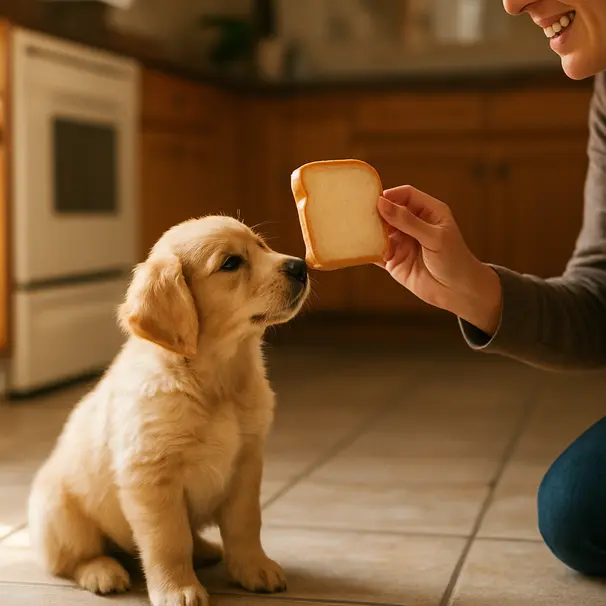
Short answer: yes, usually. Plain, fully cooked bread is not toxic to dogs and a tiny piece every now and then often won’t cause harm. That said, there are important caveats and situations where bread can be a problem. This guide walks you through the practical stuff: portion sizes, risky ingredients, what to watch for, and healthier alternatives you can keep on hand.
A quick, friendly overview
Bread is a common human food and it’s easy to assume sharing is fine. For many dogs, a small bit of plain white or whole-grain bread is a harmless treat. Bread provides quick carbohydrates, which can be a quick energy boost, but it’s also low in nutrients compared with foods formulated for dogs.
Think of bread like an occasional treat, similar to a store-bought dog biscuit. It shouldn’t make up a large part of your dog’s calorie intake, and you should be careful about toppings and fillings.
Types of bread and what they mean for your dog
Different breads carry different levels of risk. Here are the common kinds you might encounter and how to think about them:
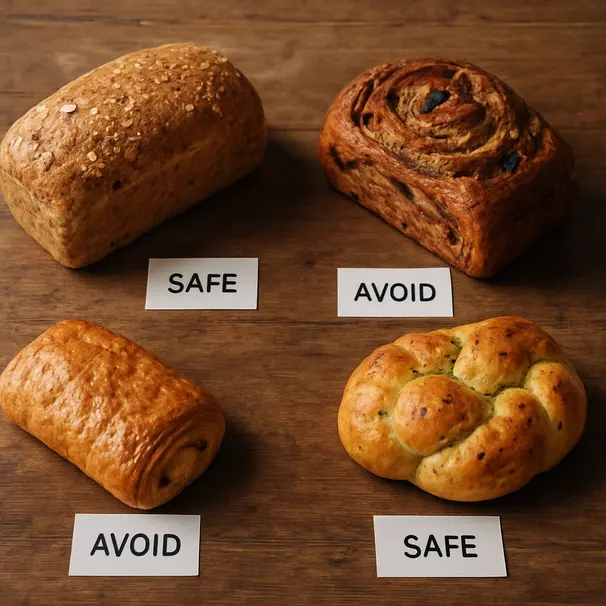
- White bread: Low risk if plain. Highly processed, low fiber, and calorie-dense. Small pieces are usually fine for healthy dogs.
- Whole-grain or whole-wheat bread: A bit more fiber and nutrients than white. Still not a substitute for balanced dog food, but small portions are typically safe.
- Sourdough: Plain sourdough is usually okay in small amounts. Watch for added toppings or large chunks that could cause bloating.
- Rye or multigrain: Often safe in moderation, unless seeds, nuts, or raisins are included.
- Garlic or onion breads: Avoid completely. Garlic and onions are toxic to dogs in sufficient amounts, and even small amounts may cause problems over time.
- Sweet breads and pastries: Buns, croissants, and sweet breads contain butter, sugar, and often xylitol or other sweeteners. These can be harmful or at least not worth the risk.
Specialty breads to watch closely
- Any bread with raisins or currants: Dangerous. Raisins can cause kidney failure in some dogs.
- Breads with nuts: Macadamia nuts are toxic to dogs. Other nuts can upset digestion or pose choking risks.
- Bread with xylitol: This sugar substitute is extremely toxic. It can cause a rapid insulin release and dangerous drops in blood sugar.
- Dough or raw bread: Never give raw dough. If a dog eats raw yeast dough, it can expand in the stomach, causing pain and potentially dangerous gas build-up. The yeast also produces alcohol during fermentation, which can lead to alcohol toxicity.
Why too much bread can be a problem
Bread is calorie-dense and often low in protein, vitamins, and minerals dogs need. Regularly feeding bread can lead to weight gain, nutritional imbalance, and picky eating habits. If you use bread to feed table scraps frequently, your dog may start skipping or rejecting higher-value, nutritious food.
Also consider dental health. Sticky or sugary breads can contribute to plaque and dental disease over time. Portion control and good oral care routines help reduce that risk.
Serving size guidance and smart treat habits
A useful rule of thumb is to keep treats to under 10% of your dog’s daily calories. For small dogs, that’s often a very small piece of bread—a bite or two. For larger dogs, a slice could be okay occasionally, but think about calorie balance across the whole day.
Tips for treating with bread:
- Use tiny pieces for training rewards. Bread can be a high-value, soft training treat for dogs that prefer softer textures.
- Avoid bread as a regular meal stand-in. It lacks the nutrients dogs need for long-term health.
- If you want to share, pick plain bread and skip spreads such as butter, jam, garlic butter, or cream cheese.
Signs bread caused a problem
If your dog eats a small piece of plain bread, you probably won’t see issues. But watch for these signs if they consume unusual types or large amounts:
- Vomiting or diarrhea
- Lethargy or weakness
- Abdominal pain or bloating
- Tremors, pale gums, or rapid breathing (seek immediate help if these occur after ingesting potentially toxic items like xylitol, garlic, or raisins)
If you’re ever unsure or you know your dog ate bread with a toxic ingredient, consider calling your vet or an emergency animal clinic. They may recommend monitoring at home or bringing your pet in for treatment.
What to do if your dog eats raw bread dough
Raw dough is a particular hazard because of two risks: expansion and alcohol. The yeast in dough can cause the dough to rise inside the stomach, leading to pain, bloating, and potentially life-threatening gastric dilation. Fermentation also produces ethanol, which can cause alcohol poisoning.
If you suspect your dog ate raw dough, contact your vet immediately. Early action can prevent serious complications. Do not wait for symptoms if you know the dough was consumed.
Bread as comfort or training food
Bread can be useful in small, controlled doses. It breaks apart easily, is generally odor-free, and many dogs like the texture. Here are safe ways to use bread:
- Training treats: Tear bread into tiny pieces and use sparingly.
- Pill hiding: A small piece of bread can mask medication briefly, though some pets will spit pills out.
- Low-stress distraction: A very small smidge of bread mixed with a favorite safe food can smooth a stressful moment, like a vet visit or bath time.
Always prefer dog-specific treats for frequent training. They are formulated to be calorie-appropriate and often contain dental or nutritional benefits.

Healthier swap ideas and DIY options
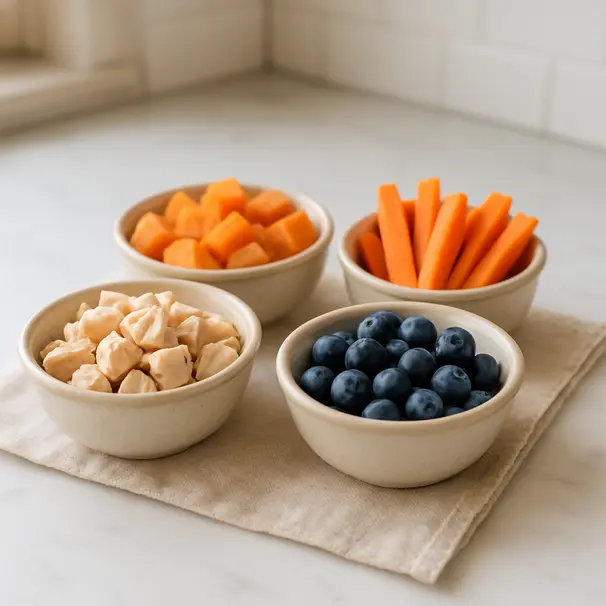
If you like the idea of sharing, there are healthier human foods you can give instead of bread. These offer nutrients and often fewer empty calories:
- Plain cooked sweet potato: Cut into small pieces, it’s high in fiber and vitamins.
- Small amounts of plain cooked chicken or turkey: Great high-value training treats.
- Blueberries or apple slices (no seeds): Antioxidant-rich and low-calorie for most dogs.
- Baby carrots: Crunchy, low-calorie, and good for teeth. Many dogs enjoy them raw.
- Plain rice or plain oatmeal: In small amounts, they can calm sensitive stomachs when fed properly.
Easy DIY dog-friendly bread: If you enjoy baking, consider a simple dog-bread recipe using dog-safe ingredients like oat flour, mashed banana, and a little peanut butter (xylitol-free). Homemade treats let you control calories and avoid toxic add-ins.
A short checklist for pet carers and dog owners
- Avoid breads with garlic, onion, raisins, currants, or xylitol.
- Never give raw bread dough.
- Keep treats under 10% of daily calories.
- Watch for signs of illness after unusual ingestion and contact a vet if concerned.
- Use bread sparingly for training, and prefer dog-specific treats for regular use.
When to call a vet
Call your veterinarian if your dog eats large amounts of bread, consumes bread with a dangerous ingredient, or shows worrying signs like vomiting, severe lethargy, breathing trouble, tremors, or abdominal swelling. They may advise observation or immediate clinic care depending on the situation.
Consider calling a pet poison helpline for rapid guidance if you suspect ingestion of toxic ingredients. Keep local emergency numbers and your vet’s contact handy.
Final thoughts from one pet lover to another
Sharing food is a sweet way to bond with your dog. Plain bread, offered rarely and in small pieces, is usually an okay treat for many dogs. Still, the safest route is to treat with purposeful, nutrient-rich snacks and to save human comfort foods for special occasions.
If you care for other people’s dogs through Floofy, always ask owners about dietary restrictions before offering treats. A quick question like “Any foods to avoid?” prevents surprises and keeps dogs safe.
Keep a little empathy and curiosity in your approach. Dogs are part of the family, and a mindful treat here and there keeps tails wagging without unintended trouble.
Quick resources
- Your regular veterinarian
- Pet poison hotlines in your region
- Trusted dog treat recipes and portion calculators online
Thanks for reading. If you have a funny “bread sneak” story or a tried-and-true dog-safe treat recipe, we’d love to hear it on the Floofy community page.