

🥬 Can dogs eat cabbage? All you need to know
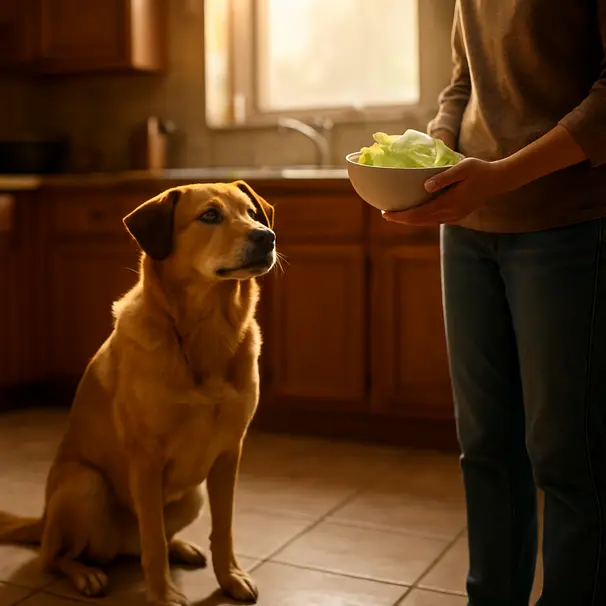
Cabbage often shows up in the human fridge as a crunchy snack, a quick stir-fry ingredient, or the star of coleslaw. If your dog watches you nibble on a leafy wedge with pleading eyes, you might wonder if it’s okay to share. Short answer, yes, dogs can eat cabbage in moderation, but there are a few practical rules to follow first. This guide walks through the benefits, potential risks, safe preparation tips, portion sizes, and signs to watch for after feeding cabbage to your dog.

Is cabbage safe for dogs?
Cabbage is non-toxic to dogs and can be given as an occasional treat. It contains fiber, vitamins, and a little natural sweetness that many dogs enjoy. That said, some dogs may have sensitive stomachs, and certain ways of preparing cabbage make it less suitable. Use common sense, keep portions small, and introduce cabbage slowly.
Why owners like to offer cabbage
- Low in calories, so it can be useful for dogs needing weight management.
- Provides fiber, which may support digestion in small amounts.
- Can add variety and enrichment to a dog’s diet without adding processed ingredients.
A gentle reminder: If your dog has a pre-existing health condition, especially digestive, thyroid, or kidney issues, check with your vet before making cabbage a regular treat.
Nutritional snapshot: what’s in a leafy bite?
Cabbage offers a few useful nutrients for dogs in modest amounts. It contains vitamin C, vitamin K, folate, and fiber. These nutrients may support general health when fed occasionally and as part of a balanced diet. Cabbage also contains antioxidants, which can help protect cells, but it’s important not to overstate benefits. Think of cabbage as a healthy snack, not a supplement.
Raw vs cooked cabbage: which is better?
Both raw and cooked cabbage can be okay, depending on your dog and how the cabbage is prepared.
Raw cabbage
- Pros: Crunchy texture, no added salts, oils, or spices, and it holds more of some vitamins.
- Cons: Harder to digest for some dogs, may cause gas or bloating if served in large amounts.
Cooked cabbage
- Pros: Softer and usually gentler on the stomach, easier to mix into meals, and can reduce gas-causing compounds when lightly steamed.
- Cons: If cooked with butter, onions, garlic, or heavy seasoning, it becomes unsafe or unhealthy for dogs. Avoid those additions.
A simple approach is to start with a small amount of steamed cabbage and watch how your dog reacts before offering raw pieces.
The gas issue: why cabbage can cause flatulence
Cabbage contains certain carbohydrates that ferment in the gut, which can lead to gas. Some dogs tolerate these just fine, while others produce more gas, feel bloated, or have loose stools. If your dog is already prone to flatulence, try a small amount and prefer cooked cabbage. You may find that occasional, well-prepared servings cause no noticeable change.
How to prepare cabbage safely for your dog
Follow these steps to keep cabbage simple and safe:
- Wash thoroughly: Remove dirt and any pesticides by rinsing the leaves well.
- Trim and remove the core: The core can be tougher to digest.
- Choose plain preparation: Steam, boil, or lightly sauté in water. Avoid oils, butter, salt, onion, and garlic.
- Chop or shred to size: Small pieces reduce choking risk, especially for small dogs.
- Cool before serving: Hot cabbage can scald mouths.
Serving ideas
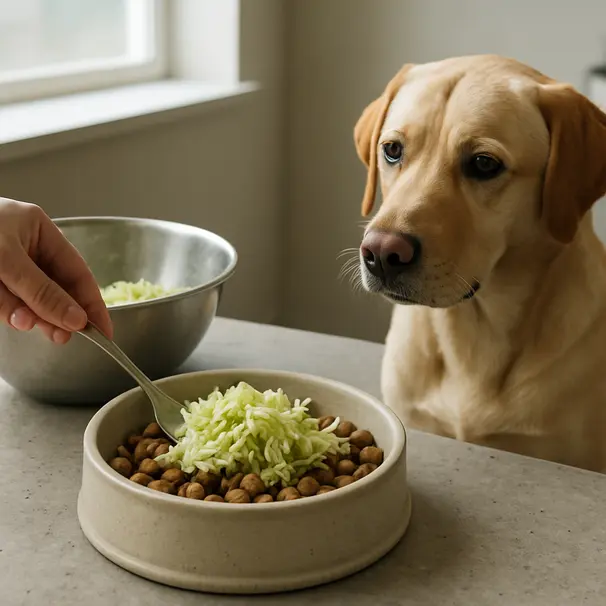
- A few steamed shreds mixed into regular kibble for texture.
- Small raw pieces as a crunchy training reward, if your dog tolerates raw veggies.
- Frozen cabbage bits can be a cooling treat in warm weather, but watch for large chunks that could be choking hazards.
How much cabbage can a dog eat?
Portion control depends on your dog’s size and overall diet. Here are general, cautious guidelines:
- Small dogs (under 10 kg / 22 lbs): A teaspoon to a tablespoon at a time.
- Medium dogs (10–25 kg / 22–55 lbs): One to two tablespoons.
- Large dogs (over 25 kg / 55 lbs): A few tablespoons, up to a quarter cup occasionally.
These amounts are treats, not daily staples. A good rule is that treats, including vegetables, should make up no more than 10% of a dog’s daily calorie intake. Start very small the first time, then gradually increase if your dog shows no digestive upset.
When to avoid feeding cabbage
There are situations when you should skip cabbage entirely:
- Dogs with hypothyroidism or thyroid disease, as cruciferous vegetables like cabbage may interfere with thyroid function if fed in very large quantities. Ask your vet for personalized advice.
- Dogs taking certain medications, or with kidney or gastrointestinal disease. Your vet can advise if cabbage is appropriate.
- Dogs prone to pancreatitis or on a low-fat diet, if the cabbage is prepared with oils or fatty additions.
If in doubt, consult your vet before introducing cabbage to a dog with medical concerns.
Signs your dog didn’t like the cabbage
Watch your dog for these signs after the first few feedings:
- Loose stools or diarrhea
- Increased flatulence
- Lethargy or obvious discomfort
- Vomiting
If any of these occur and don’t resolve quickly after stopping cabbage, call your vet. Mild gas or a single loose stool may pass within a day, but persistent symptoms should be checked.
Fun, simple cabbage snack ideas for dogs
Here are a few low-effort ways to share cabbage without risking your dog’s health:
- Steamed and mixed: Steam cabbage until soft, cool, then stir a spoonful into regular kibble as a flavor topper.
- Crunchy training bits: Small raw shreds for high-value, low-calorie rewards during training sessions.
- Frozen pops: Blend a bit of cabbage with plain, unsweetened pumpkin, spoon into ice cube trays, and freeze for a summer treat.
Avoid coleslaw, pickled cabbage, and any recipes with onion, garlic, excessive salt, or sugar.
Tips for pet carers and sitters
If you’re a pet carer looking after someone else’s dog, follow these practical guidelines:
- Ask the owner first. Know any allergies, medical conditions, or dietary restrictions.
- Stick to approved snacks. Even small amounts of new vegetables should be owner-approved.
- Introduce new foods cautiously. Offer one small piece and wait a few hours to see how the dog reacts.
- Document what you gave. Note portion, time, and any reactions so the owner stays informed.
Being cautious shows owners you take their dog’s diet seriously, and it avoids surprises.

Frequently asked questions
Q: Can puppies eat cabbage?
A: Puppies have more sensitive stomachs. Offer only tiny amounts, preferably cooked, and only with owner or vet approval. Too much fiber may upset a puppy’s digestion.
Q: Is sauerkraut safe for dogs?
A: Plain, unseasoned sauerkraut in very small amounts may be tolerated, but many store-bought versions contain salt and spices. Fermented foods can also upset some dogs. It’s safer to stick with fresh or steamed cabbage.
Q: Can cabbage help with constipation?
A: Cabbage contains fiber, which may help mildly with digestion, but it is not a medical treatment. If your dog has chronic constipation, consult your veterinarian for safe and effective options.
Final checklist before sharing cabbage
- Get vet or owner approval for dogs with health issues.
- Start with a tiny amount and observe for 24 hours.
- Avoid adding butter, oil, salt, garlic, or onion.
- Prefer steamed or lightly cooked for sensitive stomachs.
- Keep treats, including cabbage, under 10% of daily calories.
Wrap-up: crunchy treat, used wisely
Cabbage can be a safe, healthy, and inexpensive treat for many dogs when prepared simply and served in small amounts. It offers fiber and some vitamins, and adds variety to a dog’s snack rotation. The main cautions are portion control and avoiding harmful additions like onion or garlic. If your dog has a health condition or you notice negative reactions after feeding cabbage, check with your veterinarian.
Sharing a little crunch now and then can be a lovely way to bond with your dog, but keep the portions sensible. If you’re a pet carer, confirm with the owner first, start small, and note anything unusual. With those simple rules, cabbage can be a pleasant, occasional addition to a dog’s life.
If you’d like, I can suggest a few easy cabbage-based treats tailored to small, medium, and large dogs, or a short checklist you can print and leave for pet owners. Just say the word!