

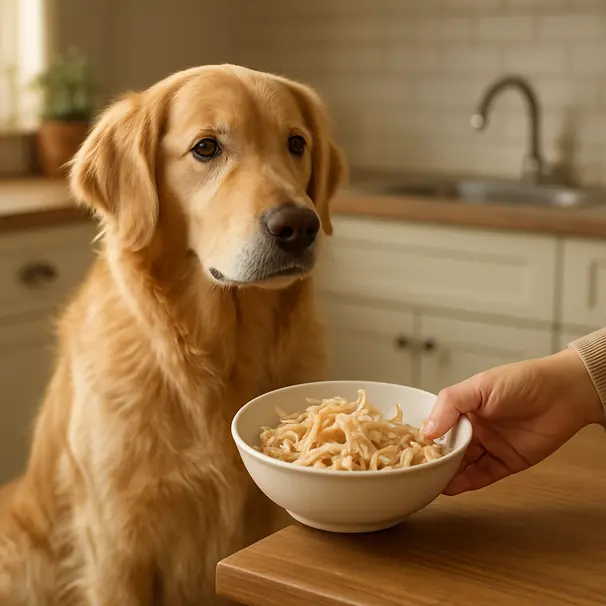
Can dogs eat chicken? A friendly quick answer
Yes, most dogs can eat chicken, and many pups love it. Chicken can be a healthy source of protein, and it can make a great treat, meal topper, or ingredient in a home-cooked dinner for your dog. That said, not every part of the chicken is equally safe, and how the chicken is prepared matters a lot. Read on for a warm, practical rundown of which parts are usually okay, which to avoid, and how to serve chicken safely.

Is chicken safe for dogs? The basics
Chicken can be a nutritious addition to a dog’s diet. Lean, cooked chicken provides protein and amino acids that can help support muscle maintenance and energy. But there are important safety considerations:
- Cooked bones are dangerous and may splinter.
- Seasonings like garlic, onion, and excessive salt can be harmful.
- Rich, fatty pieces and skin may upset some dogs or contribute to pancreatitis in sensitive pups.
- Some dogs can be allergic or sensitive to chicken protein.
If you’re trying chicken for the first time, introduce it slowly and in small amounts. Watch for tummy upsets or any signs of allergy, such as itching, ear infections, or gastrointestinal upset. If you’re unsure about portion sizes or how chicken fits into a balanced diet for your dog’s life stage, consider checking with a veterinarian.
Which parts of chicken are safe — and which to avoid
Here’s a practical guide to common chicken parts you might share with your dog. Think of this as a friendly checklist to make snack time both tasty and safe.
Chicken breast
- The leanest option, low in fat and high in protein.
- Best when cooked plain, without oil, salt, or spices.
- Easy to portion and good for dogs needing a lean protein source.
Consider using shredded, plain cooked breast as a topper on dry kibble, or as part of a training-treat rotation. It’s a sensible choice for overweight dogs or those on a controlled diet.
Thighs and drumsticks (meat only)
- Tastier and fattier than breast.
- Cooked, skinless thigh meat can be offered in moderation.
- Higher fat content means smaller portions; too much fat can cause upset in some dogs.
Skin and fatty trimmings
- Chicken skin is high in fat and can trigger pancreatitis in sensitive dogs.
- A small lick of skin as a rare treat may be okay for many dogs but don’t make it a habit.
If your dog has a history of pancreatitis or is overweight, stick to lean meat and avoid skin and fatty trimmings altogether.
Chicken wings and legs — bones
- Raw bones are a controversial topic; some owners and carers feed raw meaty bones under supervision, and others avoid them entirely.
- Cooked chicken bones are risky. They can splinter and cause choking, blockage, perforation, or internal injury.
Floofy suggests erring on the side of caution. For pet owners or carers who prefer to completely avoid risk, do not give cooked wings, drumsticks, or any cooked bones. If you’re considering raw bones, talk with your veterinarian or an experienced pet nutritionist first and supervise the dog closely.
Chicken liver and organ meat
- Liver is nutrient-dense and rich in vitamins, but it should be fed sparingly.
- Small amounts of cooked liver or gizzard can be a healthy treat, but too much liver may cause digestive upset or vitamin A imbalance if fed often.
A small smear of cooked liver or a few bite-sized pieces as a treat can be a delicious, nutritious option. Treat organ meat as a supplement, not the main meal.
Seasonings, sauces, and prepared foods: what to avoid
Human seasoning can turn an otherwise safe chicken meal into a hazard. Avoid giving dogs chicken that has been seasoned or cooked with the following:
- Garlic and onion in any form, including powder, cooked, or raw
- Salt-heavy seasonings or salty sauces
- Butter-based sauces or creamy gravies that are high in fat
- Spicy ingredients, chilies, and strong herbs
- Sweeteners like xylitol, which is extremely toxic to dogs
Even something as simple as a teriyaki glaze or a store-bought rotisserie chicken rub can contain ingredients you don’t want your dog to eat. If you buy prepared chicken for people, separate plain meat before sharing.

Allergies and sensitivities to chicken
Some dogs develop food allergies or sensitivities to common proteins like chicken. Signs may appear gradually and include:
- Itchy skin or hot spots
- Recurring ear infections
- Diarrhea or vomiting
- Chronic licking of paws
If you suspect a food allergy, consider an elimination trial guided by your veterinarian. That trial often replaces common proteins like chicken with a novel protein to see if symptoms improve. Don’t start any long-term diet changes without consulting a vet for a proper plan.
How to prepare chicken safely for your dog
Safe preparation is the easiest way to enjoy chicken together.
- Cook plain: Boil, poach, or bake chicken without oil, butter, salt, or seasonings.
- Remove bones: Always strip off cooked bones and discard them in a secure bin.
- Trim fat and skin: Remove excess fat and skin, especially for dogs with sensitive stomachs.
- Dice or shred: Break meat into small, manageable pieces to prevent choking.
- Cool before serving: Hot food can burn a dog’s mouth, so let chicken cool first.
Portion tip: For treats, a couple of small pieces of chicken are usually enough. For meals, follow portion guidelines based on your dog’s weight, age, and activity level, and factor chicken into their overall daily calorie intake.
Simple, safe chicken snacks and meal ideas
Here are a few practical ideas you can try today.
- Training treats: Dice boiled chicken breast into very small pieces for high-value training rewards.
- Meal topper: Shred plain cooked chicken over kibble for a flavor boost and extra protein.
- Easy stew: Mix shredded chicken with cooked rice and plain pumpkin or carrots for a bland meal during mild stomach upset. Consider only occasional use and consult a vet for prolonged issues.
- Freeze pops: Puree plain cooked chicken with low-sodium chicken broth and freeze in ice cube trays for a warm-weather treat.
Remember, these are treats or occasional meal enhancements. A complete, balanced diet formulated for dogs should still provide the primary nutrition most dogs need.
Raw chicken: pros, cons, and safety considerations
Some people prefer raw feeding and include raw chicken in their dog’s diet. Fans point to natural protein and dental benefits. Critics worry about bacterial risks and choking hazards. If you’re curious about raw feeding, consider these points:
- Raw meat can contain bacteria like Salmonella, which may affect both dogs and humans handling the food.
- Proper handling, refrigeration, and hygiene can help reduce bacterial risk but may not eliminate it.
- Puppies, elderly dogs, or immunocompromised dogs may be more vulnerable to foodborne illness.
- Speak with your veterinarian before switching to raw, and ensure you have a balanced raw diet plan that meets your dog’s nutritional needs.
If you opt to handle raw chicken, wash hands and surfaces thoroughly, separate raw meat from human food, and store it safely.

When to call the vet
After eating chicken, keep an eye on your dog for a few key warning signs. Contact your veterinarian or an emergency clinic if you notice:
- Persistent vomiting or diarrhea lasting more than a few hours
- Signs of abdominal pain, such as whining, pacing, or a hunched posture
- Choking, gagging, or difficulty breathing
- Lethargy, collapse, or pale gums
- Any sudden or severe reaction after eating chicken
Also call if your dog swallowed a cooked bone or if you’re unsure what they ate. Early advice can make a big difference.
Tips for pet carers and Floofy sitters
If you’re caring for someone else’s dog, follow these friendly best practices:
- Ask owners about dietary rules, allergies, and portion limits before offering any food.
- Never share your own seasoned chicken. Offer plain, pre-approved chicken if the owner has provided it.
- Keep emergency contacts and vet info handy in case of accidental ingestion.
- Supervise any chewable items or bones closely. If the owner allows raw bones, confirm how they want them given and whether supervised chewing is required.
Clear communication builds trust. When in doubt, skip the treat and ask the owner.
Practical wrap-up: quick dos and don’ts
Do:
- Do serve plain, cooked chicken in moderation.
- Do remove bones, skin, and excess fat.
- Do introduce new foods slowly and watch for reactions.
- Do consult a vet about diet changes or suspected allergies.
Don’t:
- Don’t give cooked bones or heavily seasoned chicken.
- Don’t feed large amounts of skin or fatty trimmings to sensitive dogs.
- Don’t assume every dog tolerates chicken well.
Chicken can be a simple, tasty way to show some extra love to your dog. With a little care around preparation and portion control, it can be a safe and welcome treat or meal addition. If you have concerns about allergies, diet balance, or raw feeding, your veterinarian can help you make the best choice for your dog’s individual needs.
Final thoughts
We love seeing dogs enjoy a tasty morsel, but safety comes first. Plain, well-prepared chicken can be a healthy snack or meal supplement for many dogs. Keep bones, seasonings, and excess fat off the menu, and watch for any signs of digestive trouble or allergies. If ever in doubt, a quick call to your vet or to the dog’s owner will keep things calm and confident. Happy, safe feeding!