

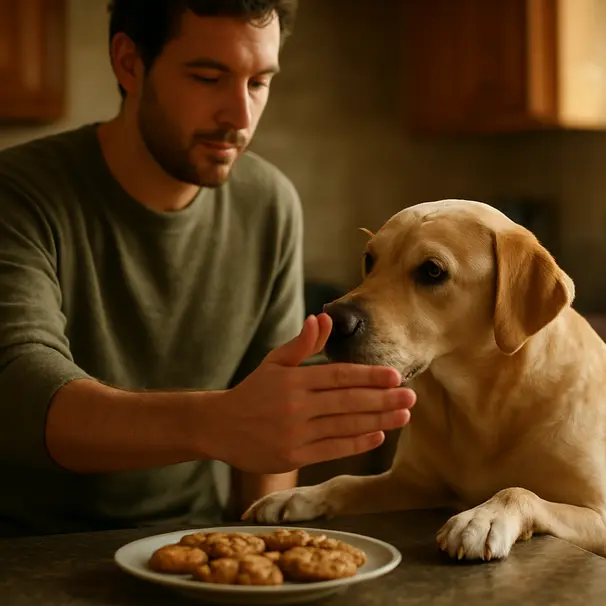
Can dogs eat cookies? A warm, practical guide
We all love to share a treat with our dogs. That hopeful look, the little tail wag, the dramatic head tilt—it’s hard to resist. But not all cookies are harmless. Some bite-sized delights that are okay for humans can be risky for dogs, and chocolate cookies are the obvious no-go.
This post is a friendly, practical guide for pet owners and carers. I’ll walk you through why chocolate is dangerous, other cookie ingredients to watch, what to do if your dog sneaks a cookie, and safe treat ideas you can feel good about. Keep reading for simple tips you can use right away.
Why chocolate cookies are dangerous for dogs
Chocolate contains theobromine and caffeine, compounds dogs process more slowly than people. In high enough amounts they may affect the heart, nervous system, and digestion. Dark chocolate and baking chocolate carry more of these chemicals per ounce than milk chocolate, so a small amount can matter, especially for small dogs.
Cookies and baked goods can be tricky because they combine chocolate with sugar and fats. A chocolate chip cookie might not look like a lot to a human snack, but depending on the cookie size, chocolate concentration, and your dog’s weight, the amount can add up quickly. Also, cookie dough and batter sometimes contain raw eggs or other ingredients that aren’t great for dogs.
Signs that chocolate may be causing a problem can include vomiting, restlessness, tremors, increased heart rate, or diarrhea. These signs may appear within a few hours. If you think your dog ate chocolate, consider calling your veterinarian or an emergency animal poison hotline right away. They can help estimate risk based on the type of chocolate and how much was eaten.
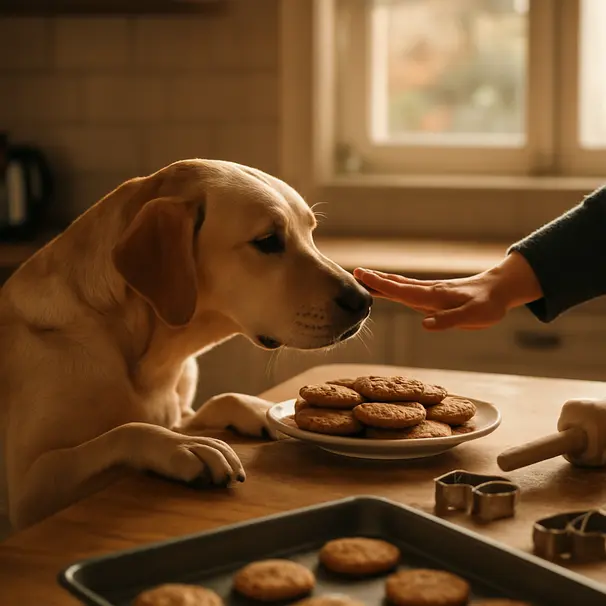
Other cookie ingredients to watch out for
Chocolate isn’t the only ingredient that can cause trouble. Here are a few common culprits found in cookies:
- Xylitol: This sugar substitute is extremely toxic to dogs and can cause a rapid drop in blood sugar and liver issues. It’s sometimes in sugar-free cookies and sweeteners. Even small amounts can be dangerous for very small dogs.
- Raisins and grapes: Found in some cookies and baked goods, these may cause kidney problems in dogs. The toxic dose isn’t predictable, so avoid all forms of raisins and concentrated grape products.
- Macadamia nuts: These can cause weakness, tremors, and an odd wobbliness in dogs. Other nuts may be less toxic but can still cause stomach upset or a risk of pancreatitis due to high fat.
- Raw dough: Yeast dough can expand in a dog’s stomach and produce alcohol as it ferments. That can lead to bloating and other serious issues.
- Excess sugar and fat: Even if not acutely toxic, a sugar- and fat-heavy diet may upset digestion and, over time, contribute to obesity and pancreatitis.
- Spices and flavorings: Nutmeg, for example, contains myristicin and can cause neurological signs if ingested in quantity. Cinnamon and other spices aren’t usually toxic in small amounts but may irritate.
When reading ingredient lists, look for xylitol and unexpected dried fruits or nuts. If a treat is marked sugar-free, double-check the sweeteners.
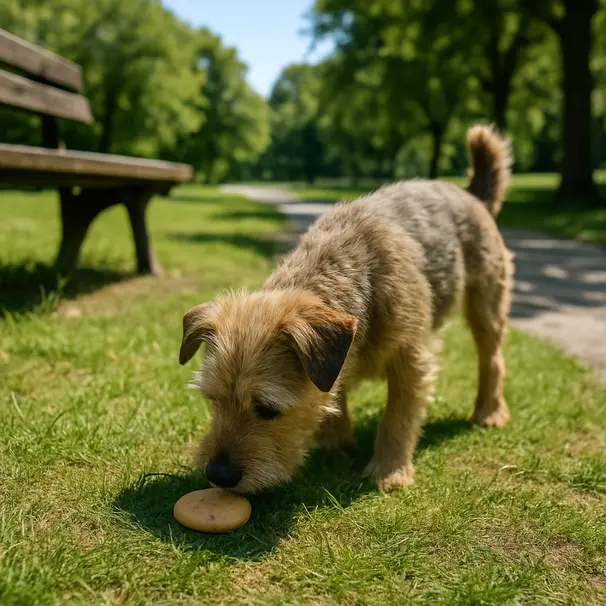
If your dog eats a chocolate cookie: quick, calm steps
Take a breath. Panicking doesn’t help your dog. Follow these steps for the best outcome.
- Stay calm and assess. Try to figure out exactly what was eaten and how much. Save any packaging. Note the type of chocolate and any other ingredients in the cookie.
- Check your dog. Are they acting normal, vomiting, or lethargic? Mild stomach upset may happen with many snacks. More severe signs include high energy or restlessness, tremors, rapid breathing, or collapse.
- Call your vet or an animal poison control service. Provide your dog’s weight, the type of cookie, and how much you think was eaten. They can help calculate risk and advise whether you should monitor at home or seek immediate care.
- Do not try to induce vomiting without professional advice. In some situations it may help, but it can be harmful in others. Follow your vet’s instructions.
- Keep your dog hydrated and comfortable. If you’re instructed to monitor, keep a close eye on behavior and appetite for the next 24 to 48 hours.
If poisoning is suspected, rapid veterinary care may be necessary. Treatment can include activated charcoal to limit absorption, fluids, and medicines to control symptoms. Trust the experts to guide you.
Safe cookie alternatives and homemade treat ideas
You don’t have to remove treats from your dog’s life. Dogs enjoy variety, and there are plenty of safe, tasty options you can offer instead of cookies that contain chocolate or other hazards.
Store-bought options:
- Vet-approved dog biscuits: Many brands formulate treats specifically for dogs, with clear ingredient lists and portion sizes.
- Dehydrated single-ingredient treats: Items like dried chicken or fish can be very appealing and easy to portion.
Simple homemade treats:
- Pumpkin and oat biscuits: Mix canned plain pumpkin, oats, and a little peanut butter (xylitol-free). Bake until firm. Pumpkin can help with digestion and many dogs enjoy the taste.
- Banana and oat bites: Mash banana with oats and bake small rounds. These are soft and easy to use for training.
- Sweet potato chews: Slice sweet potato thinly and bake low and slow until dried. These are chewy and nutritious.
Portion control matters. Even healthy ingredients should be given in moderation. A few small treats per day or splitting a biscuit into training-sized pieces can keep calories in check. When switching treats or offering something new, introduce it slowly to watch for digestive upset.
Enrichment alternatives that aren’t food-focused:
- Puzzle feeders and slow-dispensing toys can make meals feel like a fun challenge.
- Short training sessions and playtime are rewarding and help burn energy.
- Chew toys and long-lasting dental treats can keep a dog busy without extra sugars or harmful ingredients.
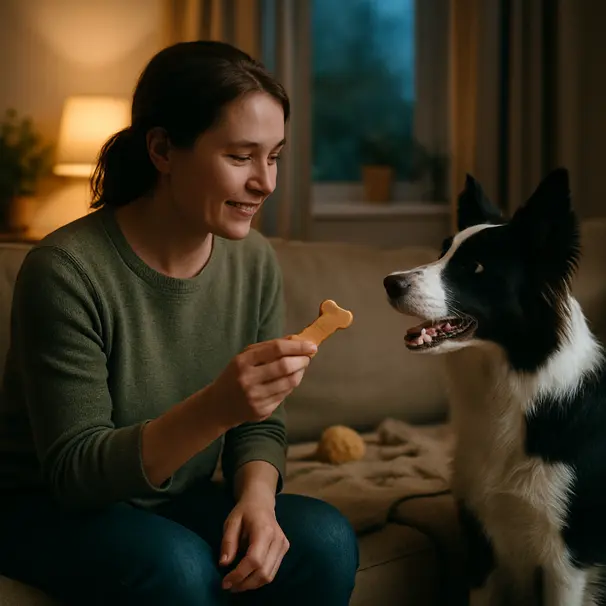
Treats for special diets and sensitive dogs
Some dogs have food allergies, sensitivities, or medical conditions that require special care. If your dog has a known sensitivity, consider treats formulated for that condition or use fresh, limited-ingredient snacks like plain cooked chicken or steamed carrots.
For dogs prone to pancreatitis, avoid high-fat treats. For diabetic dogs, pick low-sugar alternatives and consult your veterinarian about appropriate snacks. Always tell a pet carer or sitter about dietary restrictions and where safe treats are stored.
Tips for pet carers and sitters
As a pet carer or a dog sitter, you have a responsibility to keep furry guests safe. Here are practical habits that can help:
- Ask about diet and allergies at booking. Get a clear list of foods to avoid and preferred treats.
- Keep owner-supplied treats in labeled containers and out of reach of other animals.
- Avoid offering human cookies or table scraps unless the owner explicitly allows safe items.
- Use positive reinforcement with approved treats. Small training pieces are easier to manage than handing over full cookies.
- Communicate immediately if something is eaten accidentally. Quick reporting can make a big difference.
If you’re supervising a dog party or a household with many people, remind guests not to feed treats without checking. A single cookie from a well-meaning visitor could cause problems.
When to call the vet or a poison hotline
Call your veterinarian or an animal poison control center if your dog eats:
- Chocolate, especially dark or baking chocolate
- Anything containing xylitol, raisins, grapes, or macadamia nuts
- Large amounts of dough, raw batter, or unknown candies
If your dog shows severe symptoms like collapse, repeated vomiting, tremors, or difficulty breathing, seek emergency veterinary care right away. If you’re unsure, calling for advice is better than waiting.
Final thoughts: treats, trust, and tiny moments
Cookies can be a lovely way to celebrate your dog, but a little knowledge goes a long way. Chocolate and a few other ingredients may be dangerous. When in doubt, skip human cookies and pick safer, dog-friendly treats or a quick game instead.
As a pet owner, prepping safe snacks and storing tempting human treats out of reach can prevent most mishaps. As a pet carer, clear communication and careful handling of snacks keep dogs safe and owners happy.
Treat time should be joyful and stress-free. With a few simple precautions, you can share special moments with your dog without the worry. If you ever face an accidental treat snafu, lean on your veterinarian or a trusted pet carer for help. They can guide you through the next steps, and your dog will likely forgive you after a good belly rub.
Thanks for being the kind of person who reads labels and looks after dogs. Here’s to many safe snacks and happy tails.