

Can dogs eat eggs safely?
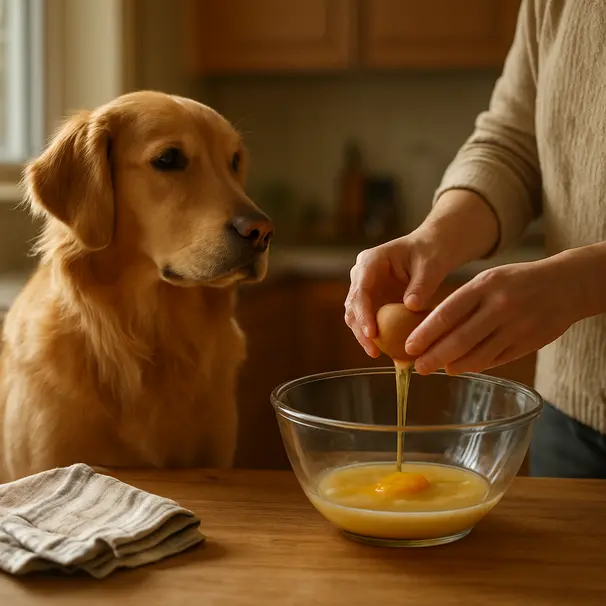
If you’ve ever watched your dog beg while you crack eggs for breakfast, you’re not alone. Eggs are a common question among pet owners and carers. The short answer is yes, many dogs can eat eggs, and they can be a nutritious addition to a balanced diet. That said, a few safety and preparation points matter. This guide walks you through what to consider, how to cook eggs safely, portion ideas, and simple recipes both you and your trusted pet carer can use.
Why eggs are appealing for dogs
Eggs are packed with protein and several vitamins and minerals. They also have a rich, tempting smell that makes them a favorite for fussy eaters. Many carers use cooked eggs as a topper for kibble, a high-value training reward, or as an occasional enriching treat. Keep in mind, every dog is different, so think of eggs as an occasional boost rather than a daily staple unless your vet advises otherwise.
Allergies and sensitivities
Some dogs can be sensitive or allergic to eggs. If your dog has reacted to other proteins, introduce eggs slowly and watch for digestive upset or skin changes. Signs to look out for include vomiting, diarrhea, itching, or hives. If you notice any concerning symptoms after feeding eggs, pause and consult your veterinarian.
Raw eggs: the risks to consider
Raw eggs used to be trendy in some homemade diet circles, but there are a couple of real concerns. Raw eggs can carry bacteria like Salmonella, which can make both pets and people sick. Also, raw egg whites contain avidin, a protein that can interfere with biotin absorption if fed in large amounts over time. For most pet owners, cooking eggs reduces these risks and still delivers great taste and nutrition.
If you’re tempted to try raw eggs for your dog, consider the following: many vets recommend cooking eggs instead, especially for puppies, elderly dogs, dogs with compromised immune systems, or households with young children. If you ever have doubts, check with your vet or a qualified pet nutritionist before adding raw eggs to your dog’s diet.

How to cook eggs for your dog: safe, simple methods
Cooking eggs neutralizes bacterial risks and makes them easier to digest. Here are the safest, most pet-friendly ways to prepare eggs, with practical tips so the texture and flavor stay appealing to your dog.
Boiled eggs
- Hard-boiled or soft-boiled eggs are simple, hands-off, and easy to portion. Hard-boiled eggs are firm and can be chopped or mashed. Soft-boiled eggs offer a runnier yolk, which some dogs love, but handle carefully to avoid burns.
- Tip: Cool the egg completely before serving. Peel and cut into bite-sized pieces for small dogs.
Scrambled eggs
- Scrambled eggs are a favorite because they’re soft and easy to mix with kibble or plain rice. Use a non-stick pan and cook the eggs thoroughly with no added salt, butter, oil, milk, or spices.
- Tip: For extra flavor without seasonings, stir in a small spoonful of plain, unsweetened canned pumpkin or a sprinkle of finely chopped cooked vegetables that are safe for dogs.
Poached eggs
- Poached eggs are another gentle option. They’re softer than boiled eggs and carry a pleasant texture. Make sure the white is fully set and the egg has cooled.
Baked eggs and egg bites
- You can bake eggs in a muffin tin with dog-safe add-ins like cooked sweet potato or plain cottage cheese. These are handy to portion and freeze for later.
- Tip: Line a muffin tin with silicone liners for easy removal and even cooking.
Avoid heavy fats and seasonings
- Don’t add butter, cheese, oil, chives, garlic, onion, salt, or pepper. Many seasonings can irritate a dog’s stomach or be toxic. Keep eggs plain and simple.
Portion guidance (general ideas)
- For tiny breeds: a tablespoon or two of scrambled egg or a small piece of boiled egg a few times a week may be plenty.
- For small to medium dogs: a whole egg a few times a week can be a suitable treat for many dogs.
- For large breeds: one egg several times a week may be fine, depending on overall diet and calorie needs.
These are rough guidelines. Consider your dog’s age, weight, activity level, and the rest of their diet. If you’re tracking calories or balancing home-prepared meals, check with a vet.
Simple, dog-friendly egg recipes
Plain scrambled egg topper
- Ingredients: 1 egg, no oil, no salt.
- Method: Beat the egg, cook on low in a non-stick pan until fully set, cool, and serve over kibble.
Egg and pumpkin bites
- Ingredients: 2 eggs, 1/4 cup plain canned pumpkin, 1/4 cup cooked quinoa or plain rice.
- Method: Mix ingredients, pour into a greased or lined mini muffin tray, bake at 175 C (350 F) for 12-15 minutes until set. Cool and serve a small piece as a treat.
Boiled egg training treats
- Method: Hard-boil several eggs, peel, and slice into small cubes. Store in the fridge and use as high-value training rewards.
If your dog enjoys egg yolks and tolerates them well, these recipes are a good way to mix textures and keep mealtimes interesting.

Eggs in commercial dog food and treats
You’ll see egg or egg powder listed on many dog food labels. Eggs can act as an excellent protein source and binder. If your dog has an egg allergy, read labels carefully and avoid products containing whole egg, egg white, or egg powder. Some treats are heavily flavored or include other ingredients that might not be suitable, so always scan the ingredient list.
If you’ve hired a pet carer through Floofy to prepare meals, ask them to show you product labels and explain what they’re feeding your dog. Transparency builds trust and keeps your pup safe.
Storage and leftover tips
- Refrigerate cooked eggs promptly in an airtight container. Use within three to four days.
- Freeze baked egg bites in single portions for up to two months. Thaw in the fridge overnight.
- Discard any egg with an off smell or slimy texture.

Safety checklist and feeding tips
- Start small: Introduce eggs slowly, with tiny portions, and watch for any digestive upset over 24 to 48 hours.
- Skip raw for most dogs: Cooked eggs remove much of the bacterial risk.
- Skip seasonings: No salt, garlic, onion, chives, or spicy herbs.
- Observe for allergies: Stop feeding eggs if your dog shows signs of an allergic reaction and contact your vet.
- Balance calories: Treat eggs as part of your dog’s regular calorie intake. Too many treats can lead to weight gain.
- Discuss with your vet: If your dog has chronic health issues, is pregnant, or is on a special diet, ask your vet if eggs are a good choice.
Extra tip: Crushed eggshells can be a calcium source if cleaned, baked, and finely ground, but consult a vet for correct amounts before adding shell powder to a home-prepared diet.
When to call the vet
If your dog eats raw eggs and becomes lethargic, has repeated vomiting, develops diarrhea, or shows signs of severe allergic reaction such as swelling or difficulty breathing, seek veterinary care immediately. For mild digestive upsets, a call to your vet can help you decide whether to wait it out or bring your dog in.
Using eggs in everyday care
Eggs are handy to keep in the fridge for training, enrichment, or as an occasional special meal. Trusted pet carers can prepare egg-based toppers or treats using your preferences and any dietary restrictions you’ve shared. If you enjoy cooking for your dog, simple egg preparations are quick, affordable, and usually well-accepted.
Closing note
Feeding eggs can be a positive, nutritious way to add variety to your dog’s meals. Cook them plainly, introduce them slowly, and keep portion sizes sensible. If you ever feel unsure, have a chat with your vet or a trusted Floofy carer. After all, sharing small, safe pleasures with our pets is part of being a good, loving owner.
- Want a carer to cook simple meals for your dog? Post a request on Floofy and look for carers who mention food prep skills and references. Happy feeding, and give your pup an extra scratch from all of us at Floofy!