

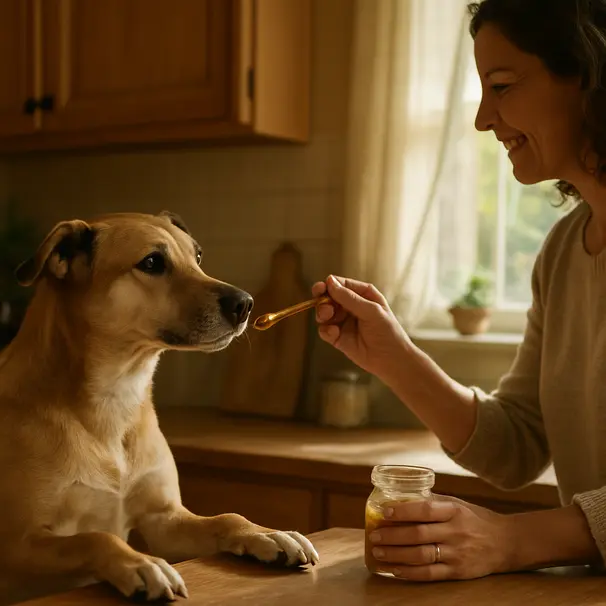
Can dogs eat honey? A friendly short answer
Yes, adult dogs can eat small amounts of honey, but it should be an occasional treat rather than a daily staple. Honey may offer mild soothing and antimicrobial properties, and many dogs enjoy its sweet taste. Still, there are important limits, serving guidelines, and safety checks every pet owner and carer should consider.
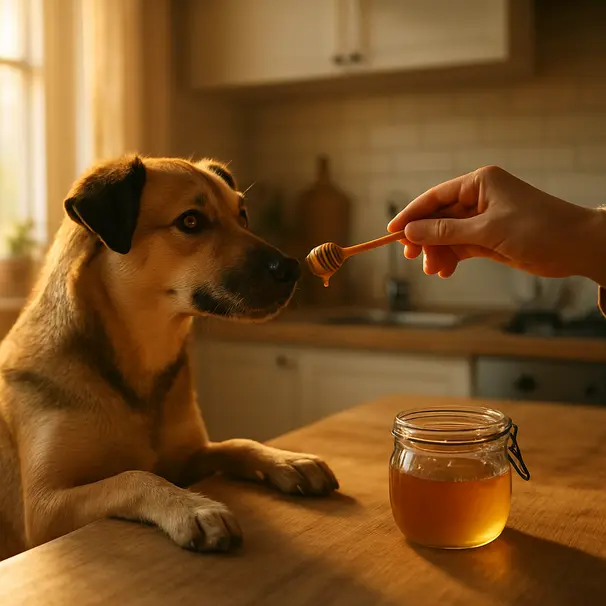
Why people consider honey for dogs
Honey has a long history in human kitchens, and many of us wonder if it’s safe to share that spoonful with a furry friend. Owners like honey because it’s natural, shelf-stable, and familiar. Pet carers sometimes use a dab of honey as a high-value training reward or to help coax picky eaters. A few reasons people reach for honey:
- It’s a concentrated, tasty treat that many dogs love.
- It may soothe a dry throat or irritated mouth for some animals.
- It’s easy to portion in very small amounts for training or enrichment.
That said, “natural” doesn’t always mean “risk-free.” Keep reading to learn when honey can help and when it’s better to skip it.
Potential benefits — mild and situational
Honey may offer a few useful things for some dogs, particularly when used carefully and rarely:
- Gentle soothing: A tiny smear of honey can calm a scratchy throat or a temporary cough. It may help coat an irritated mouth.
- Low-dose antimicrobial effect: Certain honeys, especially darker or raw varieties, may have mild antimicrobial qualities. That doesn’t make them medicines, but these properties can occasionally be helpful for minor skin or mouth issues, used with veterinary guidance.
- High-value treat: Honey’s strong aroma makes it excellent for masking less appealing medicines or for rewarding a dog in training.
Use words like “may” and “can” here. Honey should never replace veterinary care, and it’s a good idea to consult your vet before trying it for a health issue.

Risks and limits — who should avoid honey
Honey isn’t suitable for every dog. Consider avoiding or strictly limiting honey for the following:
- Puppies under 12 months. Young dogs may have immature immune systems and could be at higher risk from certain bacteria sometimes found in raw honey. For puppies, skip honey unless your vet explicitly approves a specific use.
- Diabetic dogs. Honey is high in sugars. If your dog has diabetes or insulin resistance, adding honey may disrupt blood sugar control. Talk to your vet before offering any sweet treats.
- Dogs with allergies. A dog can be allergic to components in honey or pollen residue. If your dog has a history of food or environmental allergies, be cautious.
- Overweight or sedentary dogs. Extra calories from frequent treats contribute to weight gain. Keep honey portions tiny and count them toward your dog’s daily treats.
Watch for signs of a problem after trying honey the first time: vomiting, diarrhea, excessive drooling, hives, swelling, or unusual lethargy. If you spot any of these signs, contact your veterinarian.
Raw vs. pasteurized honey — does it matter?
There are differences between raw and pasteurized honey, and those differences can influence your choice:
- Raw honey is less processed. It may retain more pollen and tiny beneficial compounds. However, it may also carry more bacterial spores that are harmless to most adult dogs but could be a concern for puppies or immunocompromised pets.
- Pasteurized honey is heated to reduce microbes. It’s generally more consistent and may be a slightly safer option for dogs whose immune systems are not ideal.
If you’re unsure, pick a reputable commercial honey and speak to your vet, especially for puppies or dogs with health issues.
How much honey can a dog have? Practical portion guidance
Less is more. Honey is calorie-dense and sugary, so small portions are key.
- Tiny dogs (under 10 kg): 1/4 teaspoon occasional treat.
- Medium dogs (10–25 kg): 1/2 teaspoon occasional treat.
- Large dogs (over 25 kg): 1 teaspoon occasional treat.
Consider those servings only for occasional use. For training rewards, use the tiniest lickable smear, or dilute a little honey on a lick mat to stretch the serving across several minutes of enrichment.
If your dog is on a calorie-restricted diet, fit honey into the daily treat allowance, or skip it.
Safe ways to offer honey
A few simple tips will keep honey a positive, low-risk treat:
- Start small. Offer a tiny taste and watch for any adverse reaction for 24 hours.
- Use a clean spoon or dropper. Avoid double-dipping to limit bacterial transfer.
- Mix into enrichment toys. A thin layer in a Kong or on a lick mat lasts longer and makes the treat more rewarding.
- Combine with vet-approved foods. A smear on plain, cooked chicken or a bit mixed into plain yogurt can make medication hiding easier. If you use yogurt, pick a low-sugar, xylitol-free kind.
- Don’t heat honey for a dog’s use, as excessive heat may change its properties and taste.
Homemade treat ideas with a honey touch
If you enjoy DIY treats, try gentle recipes that use very small amounts of honey. Remember the portion guidance and vet approval for dogs with special diets.
- Honey-and-peanut butter pops: Combine a teaspoon of honey with natural peanut butter, spoon into an ice cube tray with pieces of banana, freeze for a cool reward.
- Lick mat spread: Thinly spread half a teaspoon of honey across a lick mat or Kong to encourage slow licking and longer enrichment.
- Tiny honey training dots: Put a tiny dot (a rice-grain-sized) of honey on the floor for a brief, high-value reinforcement during training. Keep dots extremely small to control sugar intake.
Always avoid peanut butter with xylitol and choose unsalted, unsweetened options.

When honey might be used for minor skin or wound care
Some owners and carers use diluted honey topically for minor skin issues, because certain honey types may help keep a wound moist and less prone to infection. That said, topical use should be guided by your vet. If a wound is deep, draining, or not improving, seek professional veterinary care. Do not apply honey to open wounds without vet approval.
Signs of a negative reaction and what to do
After offering honey for the first time, watch for:
- Digestive upset: vomiting or diarrhea.
- Allergic reactions: itching, hives, facial swelling, or breathing difficulties.
- Lethargy or unusual behavior.
If you notice severe signs like trouble breathing or swallowing, get emergency veterinary help immediately. For milder symptoms, call your regular vet and describe what happened. If your dog has diabetes and shows unusual signs, consult your vet quickly.
Tips for pet carers and sitters
If you’re caring for someone else’s dog, follow these steps:
- Ask the owner first. Confirm whether the dog has allergies, diabetes, or a sensitive stomach.
- Follow portion limits exactly. Even well-meaning generosity can cause problems.
- Record treats given. Note how much honey and when you offered it, so the owner has accurate information.
- Use alternatives if unsure. If the owner prefers, stick to owner-approved treats or training kibble to avoid surprises.
Being cautious and communicative builds trust and keeps the dog safe.
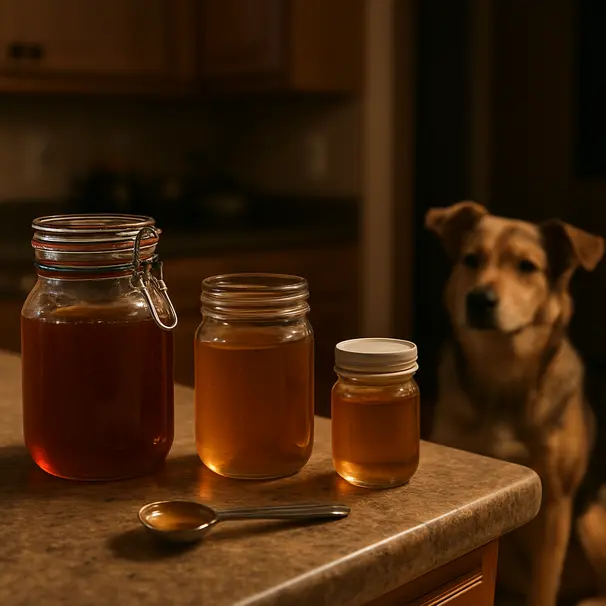
Sourcing and storing honey for pet use
Choose high-quality honey from a reliable brand or local beekeeper. Store it tightly sealed at room temperature. Honey lasts a long time, but don’t use honey with visible fermentation, strange smells, or signs of contamination. If you buy raw honey, treat it like any food product, with careful vet consultation for puppies and immunocompromised pets.
Quick do/don’t checklist
Do:
- Offer only tiny amounts to adult dogs.
- Start with a test taste and observe for 24 hours.
- Use honey occasionally for training or enrichment.
- Check with a vet for diabetic dogs or dogs with health concerns.
Don’t:
- Give honey to puppies under 12 months without vet approval.
- Use honey as a replacement for professional medical care.
- Regularly give spoonfuls as a snack; treats count toward daily calories.
- Use honey-containing products with xylitol or other toxic additives.
Final thoughts: sweet, small, and sensible
Honey can be a pleasant, occasional treat for most adult dogs, and it offers a few mild properties that might make it useful in certain situations. The keys are portion control, knowing your dog’s health background, and talking to a vet before trying honey for a medical reason. For pet carers, always confirm with the owner and stick to agreed guidelines.
If your dog loves the smell and taste of honey, a lick or two now and then can be a joyful little moment. Just keep it tiny, thoughtful, and safe. If you have any doubts, especially about puppies or dogs with medical conditions, consult your veterinarian before sharing that spoonful.
Want help giving treats safely?
If you use Floofy to find trusted carers or to leave instructions for sitters, include your dog’s treat rules, allergies, and preferred portion sizes. Clear notes help everyone enjoy treat time without surprises.