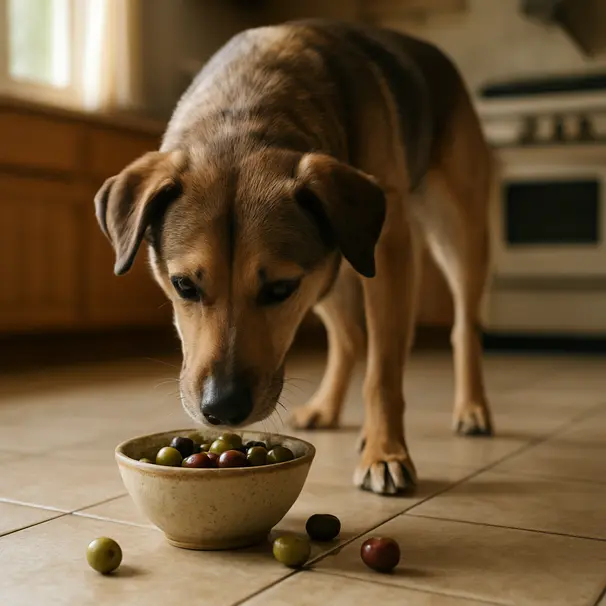
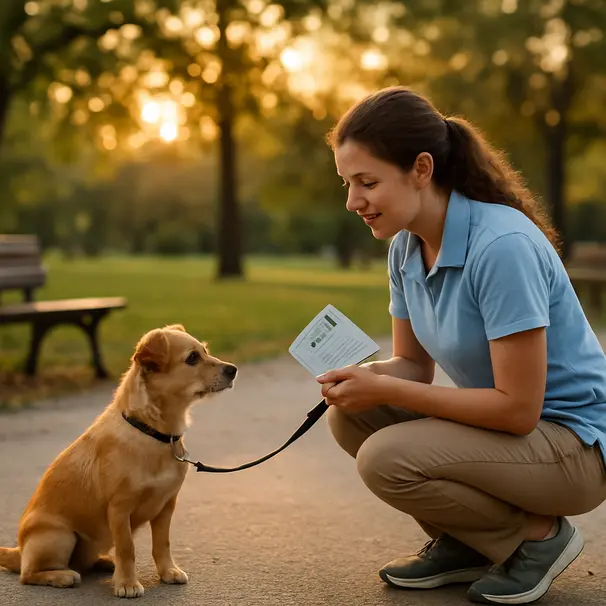
Can dogs eat olives? A friendly, practical guide for pet owners and carers Many of us have dropped an olive on the floor and watched our dog give it a curious sniff. Olives are everywhere in human kitchens, from salads to pizzas, and that raises a simple question: are olives safe for dogs to eat? The short answer is yes, in moderation and with caution. This article walks through the important details, so you can make calm, informed choices for your pup.A curious dog inspects a small bowl of olives on the floor.## What are olives, nutritionally speaking Olives are small fruits harvested from the olive tree. They contain healthy fats, a little fiber, and tiny amounts of vitamins and minerals. For humans, olives can be part of a healthy diet. For dogs, olives are not toxic in themselves, but they offer little nutritional benefit compared with dog-safe fruits and veggies that are richer in fiber, vitamins, or antioxidants. Think of olives as an occasional, low-value nibble rather than a meaningful treat. ### Why people offer olives to dogs Some dogs like the texture and salty tang, and many owners share bites as a quick snack. In social settings, someone might toss a small slice to a friendly dog, or a pup may sneak a whole olive from a fallen bowl. It happens. Knowing the risks helps you decide whether to allow that snack at all. ## Key safety issues to consider When assessing whether an olive is safe for a specific dog, consider three main concerns: the pit, seasoning and salt, and portion size. - Pit hazards: Olive pits are hard and can be swallowed whole. They may block the intestine or cause choking, especially in small dogs. Even without a full blockage, a lodged pit can irritate or damage the digestive tract. - Salt and brine: Many olives are packed in salt or brine, which can be very high in sodium. Too much salt can upset a dog and, in extreme cases, lead to salt toxicosis. Dogs with heart or kidney issues may be especially sensitive. - Seasonings and additives: Garlic, onion, lemon, and certain spices are sometimes added to olive preparations. Garlic and onions are not safe for dogs and may cause illness over time, so olives flavored with these should be avoided. ## Pits: the biggest single risk A single olive pit can present a serious problem for small and medium dogs. If a dog swallows a pit, watch for signs like persistent vomiting, abdominal pain, loss of appetite, constipation, or lethargy. In some cases a vet visit is necessary, and sometimes surgery or other interventions are required to remove the obstruction. If you suspect your dog swallowed a pit and seems unwell, contact your vet promptly. ## Types of olives and how they compare Not all olives are the same when it comes to risk. Here are the common types and what to watch for. - Fresh or plain whole olives: Risky if they contain pits. Without pits, small plain pieces are less risky but still calorie-dense. - Pitted olives: Safer because the choking hazard is removed, but still watch salt and seasoning. - Marinated or flavored olives: Often the most concerning. Marinades may include garlic, onion, chili, or excess salt, all of which can be harmful or irritating to dogs. - Canned or jarred olives in brine: High sodium content, which can upset digestion and be risky for dogs with certain health conditions. ## Green vs black olives Color alone does not determine safety. Green and black olives are different stages of ripeness and are often cured differently. Both can be high in salt if processed. The same safety rules apply: remove pits, avoid seasoned olives, and keep portions tiny.A pet carer explains food safety outside in the park.## How many olives can a dog eat? Portion guidelines There is no universal rule, since dogs vary in size, health, and sensitivity. As a rough guide: - Small dogs under 10 kg might be best with no olives or just a quarter of a pitted olive on rare occasions. - Medium dogs can manage a half to one small pitted olive occasionally. - Large dogs might tolerate one or two pitted olives, but frequent feeding is not advised. Always consider the olive as a treat, counting it toward daily calorie limits. If your dog has health issues, especially heart, kidney, or sodium-sensitive conditions, consider avoiding olives entirely and check with your vet. ## Signs your dog had too many olives or ate a pit Keep an eye on your dog after they eat olives. Mild cases might cause an upset stomach, such as loose stool or vomiting. More serious signs to watch for include: - Repeated vomiting - Signs of abdominal pain like pacing, whining, or a hunched posture - Lack of appetite for more than 24 hours - Straining to defecate or signs of constipation - Lethargy or unusual behavior If you see worrying symptoms, call your vet or an emergency clinic right away. Quick action can be important with potential intestinal blockages. ## What to do if your dog eats an olive or a bowl of them Stay calm and assess what happened. Try to determine type of olive, whether it was pitted, and how many were eaten. If a pit was swallowed and your dog is coughing or choking, contact a vet immediately. If there are no immediate alarming signs, monitor your dog closely for 24 hours for vomiting, pain, or changes in bowel movements, and call the vet if anything seems off. Consider contacting a pet poison helpline if the olives were marinated with garlic or onion. Those additives can cause delayed issues that a professional can help evaluate. ## Healthier alternatives to olives If you like sharing snacks with your dog, consider safer, more nutritious options: - Small pieces of apple without seeds - Blueberries or raspberries in moderation - Cooked plain sweet potato or pumpkin - Baby carrots or thin slices of cucumber These options offer fiber, vitamins, or hydration and are less likely to cause trouble than salty, oily olives. ## Feeding tips for pet carers and sitters As a pet carer, you might find yourself in situations where treats are offered. Here are friendly, practical tips to keep pups safe: - Ask the owner about the dog’s diet and any food restrictions. - Keep table scraps out of reach, especially bowls of olives or other human appetizers. - If a guest offers a snack, politely decline on the dog’s behalf unless you know it’s safe. - If a dog snags a single pitted olive, assess and monitor rather than overreacting immediately. - Carry the owner’s emergency contact and vet info when caring for a dog, so you can act fast if something happens. ## Olive oil and dogs Olive oil is a different matter. Small amounts of olive oil may help with coat shine or dry skin when used sparingly, but it is calorie-rich. Too much oil can cause diarrhea or pancreatitis in vulnerable dogs. If you’re considering adding olive oil to a dog’s food for skin or digestive reasons, talk to your vet first. They can suggest safe doses or better alternatives.A calm vet consults with an owner after a small snack incident.## Treat recipes and safe serving ideas If you want to share tasty things with your dog, here are a few simple ideas that avoid olives entirely: - Frozen banana slices: Chop and freeze for a cool treat. - Plain pumpkin puree pops: Mix plain canned pumpkin with a little water, spoon into ice cube trays, freeze. - Savory training treats: Small pieces of cooked chicken breast, lightly baked salmon flakes, or low-sodium cheese in tiny amounts. These are more nutritious and less risky than olives. ## When to call a vet Consider calling your vet if any of the following occur after olive ingestion: - Your dog swallowed a pit and now shows distress - Repeated vomiting or severe diarrhea - Signs of abdominal pain or bloating - Weakness or unusual behavior Also call if you suspect the olives were marinated with garlic, onions, or other toxic ingredients. It’s better to check and be reassured than to wait while symptoms worsen. ## Quick checklist for owners and carers - Remove pits before offering any olive pieces. - Avoid olives in brine or heavy salt. - Skip marinated or garlic-flavored olives. - Count olives as treats and keep portions tiny. - Keep emergency vet contacts handy while pet sitting. - Monitor the dog for 24 hours after accidental ingestion, and call a vet if you see troubling signs. ## Final thoughts: balance and common sense Olives are not poisonous, but they are not an ideal treat. The biggest risks are pits, salt, and seasonings. If your dog happens to pop a plain pitted olive now and then, it will probably be fine. However, frequent feeding or accidental ingestion of pits can cause real problems. When in doubt, choose a safer, more nutritious alternative and consult your vet for personalized advice. Feeding decisions are easier when you’re informed and prepared, and dogs appreciate calm consistency from the people who care for them. Enjoy snack time responsibly, and give your pup a scratch behind the ears from me.
Floofy uses cookies and similar technologies to personalise content, measure ads, analyse traffic, and provide you with the best possible experience. Some cookies are essential for the site to function and cannot be turned off. By accepting, you agree to our
Cookie Policy. You can update your preferences at any time.
Cookie Settings
When you visit Floofy, we may store or access information on your browser, often through cookies. This data helps us provide a smoother, more tailored experience based on your preferences or device settings. While the information doesn’t usually identify you personally, it enhances your time with us. We respect your privacy choices, so feel free to manage your cookie preferences by exploring each category. Keep in mind, however, that limiting certain cookies may affect the performance of the site and the services we can deliver.
Cookie Policy