

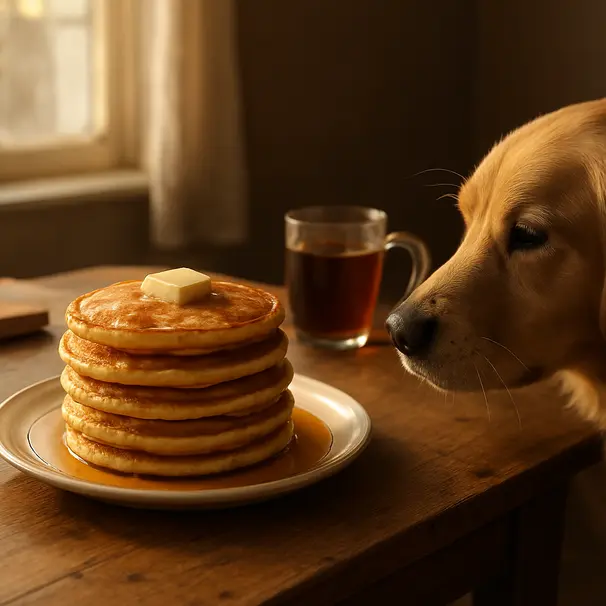
Can dogs eat pancakes safely?
Pancakes are a beloved treat for people, fluffy and comforting with syrup, butter, or fruit piled on top. It’s natural to want to share a tiny piece with your dog, especially when they’re giving you those big, hopeful eyes. But before you slide a bite across the table, let’s take a friendly, practical look at what pancakes mean for canine tummies.
In short: plain, small bits of plain pancake may be okay for some dogs as an occasional treat, but many pancake ingredients can be problematic. This article will walk you through which parts of pancakes are risky, how to serve pancakes more safely, dog-friendly alternatives, and when to check in with your vet.
What’s in a pancake that might worry dog owners?
Pancakes are made from a mix of flour, eggs, milk, and often sugar or butter. On top, people typically add syrup, chocolate, fruit, or whipped cream. Let’s unpack the most important ingredients and why they could matter to your dog:
Sugar and syrups: High sugar content isn’t ideal for dogs. A small lick probably won’t hurt a healthy adult dog, but sugary treats can contribute to weight gain and dental issues over time. Avoid maple syrup, corn syrup, and honey in large amounts.
Chocolate: This is a big no. Chocolate contains theobromine and caffeine, which can be toxic to dogs. Even small amounts of dark or baking chocolate can cause serious symptoms depending on a dog’s size.
Xylitol: Some sugar-free syrups, peanut butters, or sweeteners contain xylitol. This artificial sweetener can cause a rapid, dangerous drop in blood sugar and liver problems in dogs. Never give anything containing xylitol to your pet.
Butter and oils: High-fat foods can trigger digestive upset and, in some dogs, pancreatitis. A tiny taste of butter is unlikely to be catastrophic, but regular or large amounts are risky.
Milk and lactose: Many adult dogs are somewhat lactose intolerant. A few bites of pancake made with milk might be fine, but dairy can cause loose stool or gas in some dogs.
Add-ins like nuts or certain fruits: Macadamia nuts are toxic to dogs. Raisins and grapes can also be toxic. Berries or banana are generally safer, but always use moderation.
Salt: Pancake batter can contain salt. Too much salt can cause increased thirst and, in extreme cases, salt poisoning.
All of this means a lot depends on ingredients, portion size, and your dog’s health.
Are plain pancakes safe for dogs?
Plain pancakes made from simple ingredients—flour, water or low-fat milk, and egg—may be safe in very small amounts for many healthy dogs. Keep these points in mind:
- Portion is everything. A small lick or one tiny square as an occasional treat is different from feeding half your stack.
- Frequency matters. Make pancakes an occasional treat, not a daily snack.
- Size and breed count. A bite that’s harmless for a 60-pound dog could upset a small 8-pound dog.
- Watch for reactions. After your dog tries something new, observe for vomiting, diarrhea, lethargy, or unusual behavior.
If your dog has allergies, weight issues, pancreatitis history, or lactose intolerance, plain pancakes may still be a bad idea. When in doubt, consider alternatives or check with a veterinarian.
How to share pancakes more safely
If you’re committed to sharing a pancake moment with your dog, here are practical ways to reduce risk:
- Skip the toppings. Never give syrup, chocolate chips, whipped cream, or powdered sugar.
- Offer a small amount of plain pancake. Think tiny piece size—about the size of your thumbnail for small dogs, a bit larger for medium-to-large dogs.
- Use dog-friendly ingredients. Make pancakes with oat flour or whole wheat and water or low-lactose milk. Avoid adding sweeteners.
- Monitor and pause. After giving a new treat, watch your dog for a few hours for any signs of upset.
- Consider texture. Some dogs gulp quickly and could choke. Tear pancakes into small, manageable pieces.
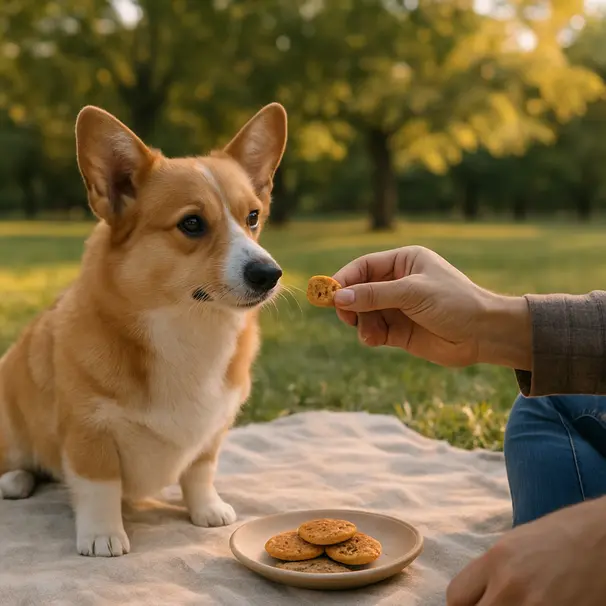
Quick dog-safe pancake tips for hosts and carers
If you’re a pet carer, sitter, or someone hosting guests and pets, follow these friendly rules:
- Ask owners about diets and allergies. They might have specific restrictions.
- Keep human plates out of paws reach. Dogs can be very persuasive.
- Offer approved treats instead. Bring a designated dog treat that’s already safe and familiar.
- Never assume leftovers are okay. Foods like pancake batter, with raw eggs, can pose risks from bacteria and pose problems if eaten in quantity.
These small habits make shared moments stress-free.
Simple, dog-friendly pancake recipes and alternatives
If you’d like to make a dog-approved version, try these gentle recipes and swaps. They’re practical, easy, and designed for occasional treating.
Banana oat pancakes: Mash ripe banana, mix with rolled oats ground into flour, and a beaten egg. Cook lightly without butter. Serve a tiny piece.
Pumpkin pancakes: Combine plain canned pumpkin (not pumpkin pie filling), a small amount of oat or whole-wheat flour, and an egg. Pumpkin can help digestion and is often a dog-friendly ingredient in moderation.
Plain oat pancakes: Use oat flour and water, or low-lactose milk if tolerated. No sugar, no salt.
Serve with mashed banana or a smear of plain yogurt on top if your dog tolerates dairy. Avoid honey, syrup, chocolate, nuts, and artificial sweeteners.
If baking isn’t your thing, try safer alternatives:
- Small slices of plain cooked chicken or boiled egg as a high-value treat.
- Store-bought dog treats formulated for your dog’s size and dietary needs.
- Fresh fruit pieces that are safe for dogs, like apple slices without the seeds or a small chunk of banana.
When to avoid pancakes entirely
Certain dogs should skip pancakes altogether:
- Dogs with pancreatitis or history of high-fat meals. Even small amounts of butter or oil can trigger a flare.
- Dogs with obesity or on a calorie-restricted diet. Pancakes add empty calories.
- Dogs with food allergies. If your dog reacts to wheat, eggs, or dairy, pancakes are a poor choice.
- Puppies and very small dogs. Their digestive systems are more sensitive and portion control is harder.
If the pancake contains any questionable ingredient, like chocolate or xylitol, do not give it and keep it away from the dog.
What to do if your dog eats something dangerous
If your dog manages to eat a full pancake loaded with chocolate, xylitol-sweetened spread, or a big slab of buttery batter, act calmly and promptly:
- Check ingredients and amount. Note how much and what type of pancake or topping was eaten.
- Watch for symptoms. Vomiting, tremors, unsteady walking, rapid heart rate, excessive drooling, or seizures are red flags.
- Call your veterinarian or an emergency clinic. Give them details and follow their advice. They may ask about weight and the time since ingestion.
- For suspected xylitol or large chocolate ingestion, contact a vet immediately. Those substances can rapidly cause severe effects.
This isn’t a comprehensive medical instruction list, but a practical reminder to seek professional help when needed.
Feeding etiquette for pet carers and sitters
As a pet carer, you’ll often be in situations where guests want to share food. Keep these habits:
- Introduce treats on the owner’s terms. Always ask permission before offering human food.
- Bring a toolkit. Carry a few known-safe dog treats and a small measuring cup for portioning.
- Educate gently. If guests try to feed a dog, offer a safe alternative or explain dietary constraints in a friendly way.
- Document anything unusual. If the dog eats something like batter or a sugary topping, note the time and what was eaten and inform the owner.
These small routines build trust between carers and owners, and help keep pets safe.
Final thoughts: pancakes and pups can mix, carefully
You don’t have to banish pancakes forever. Shared moments are part of being a pet owner or carer, and a small, plain piece of pancake can be a sweet way to bond. The key is to think like a cautious friend: limit portion size, avoid risky ingredients, and tailor choices to each dog’s health and size.
If you’re ever unsure about a specific ingredient or your dog’s reaction, consider calling your veterinarian. They can help you weigh the risks and suggest alternatives that let your dog join the fun without the worry.
A final tip: sometimes the best treat is time. A little extra petting, a walk after breakfast, or a playful game can be as satisfying as a taste of your stack.
Enjoy those pancake mornings, and keep your canine companion safe and happy—one tiny, thoughtful bite at a time.