

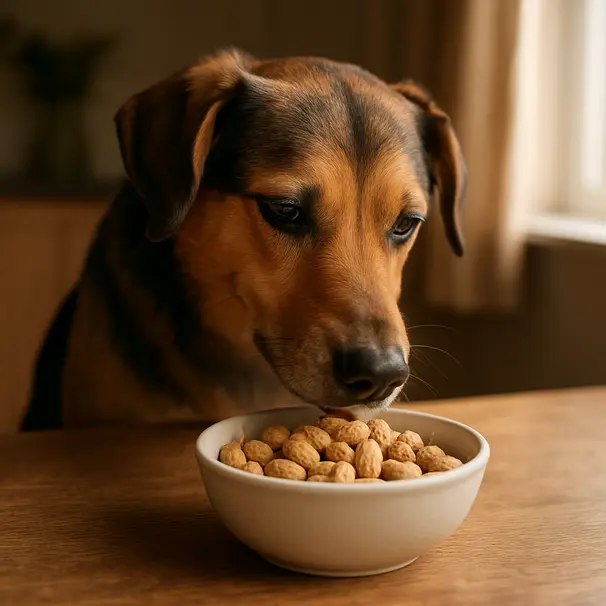
Can dogs eat peanuts or shells?
Peanuts pop up in kitchens and treat jars all the time, and many dog owners ask the same question: are peanuts safe for our pups? Short answer, sometimes. Long answer, it depends on the form, the portion, and your dog’s individual health. This guide walks through the details so you and your trusted carer can make choices that feel responsible and loving.
Quick overview
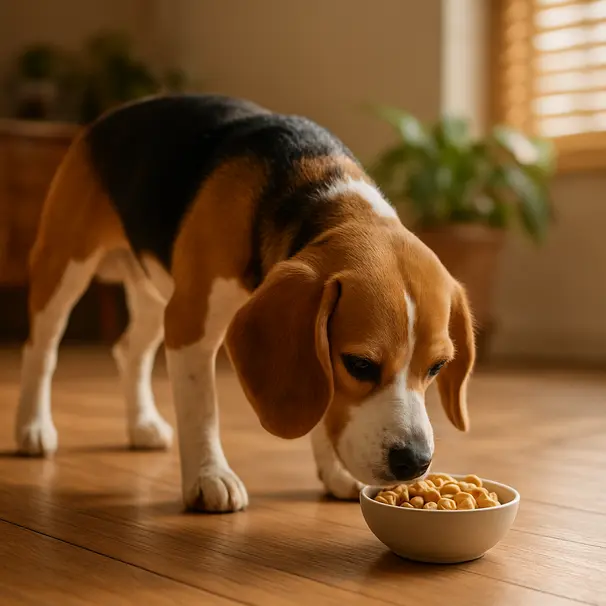
- Plain, unsalted peanuts and small amounts of plain peanut butter may be okay for many dogs as an occasional treat.
- Peanut shells are generally not recommended because they can cause choking, digestive upset, or even intestinal blockage in some dogs.
- Some peanut products contain added ingredients that can be harmful, like xylitol, excess salt, or chocolate.
- If your dog has a history of food sensitivities or pancreatitis, consult a vet before offering peanuts.
What’s in a peanut? A helpful look
Peanuts are legumes, not true tree nuts. They contain protein, healthy fats, and small amounts of vitamins and minerals. For dogs, those fats and proteins can be an okay treat fuel in moderation. That said, peanuts are calorie-dense, so portion control matters.
Nutritional highlights to consider:
- Protein: Peanuts offer plant-based protein that can be a tasty treat component.
- Fat: The fat content can be a problem for dogs prone to weight gain or pancreatitis.
- Calories: A few peanuts add up quickly, especially for small breeds.
Use this info as context, not a prescription. If your dog has underlying conditions, the safest move is to check with your veterinarian.
Peanuts: safe ways and risky ways
Safe approaches
- Plain and unsalted: Remove any salt or seasonings before offering a peanut snack.
- Small portions: One or two peanuts for a small dog, a few more for a larger dog, offered rarely.
- Peanut butter with care: Choose peanut butter with no xylitol, minimal sugar, and no chocolate. Many dog-friendly peanut butters are clearly labeled.
Risky or unsafe approaches
- Flavored or salted peanuts: High salt or added spices can be unhealthy.
- Chocolate or yogurt-covered peanuts: Chocolate is toxic to dogs, and those coatings often add sugar and fat.
- Peanut products containing xylitol: This sweetener is extremely dangerous for dogs, even in small amounts.
What about peanut shells?
Peanut shells are fibrous and can be rough on a dog’s digestive tract. Dogs sometimes enjoy chewing shells, but that doesn’t make them safe.
Potential problems with shells
- Choking hazard: Small dogs might choke on pieces, and even larger dogs can get a sharp fragment lodged in the throat.
- Intestinal blockage: Eating lots of shells could lead to a blockage, which may require emergency care.
- Digestive irritation: Shells aren’t very digestible and can cause vomiting or diarrhea.
Given the risks, it’s best to remove shells before giving peanuts to a dog. If you find your dog loves to scavenge shells from the yard, supervise outdoor time and teach a clear leave-it cue.
Allergies and sensitivities
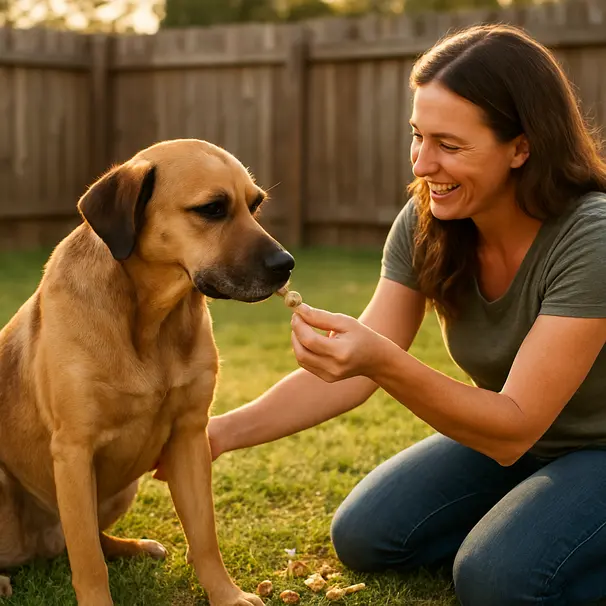
Food allergies in dogs are less common with peanuts than with some other proteins, but they can still occur. If your dog’s never had peanuts before, introduce a tiny amount and watch closely for signs of an adverse reaction.
Signs to watch for after a new treat
- Itchy skin or excessive scratching
- Redness around the face, paws, or rear
- Hives or swollen face
- Vomiting or diarrhea
- Difficulty breathing or collapse (rare but serious)
If you notice any worrying signs, contact a vet right away. For mild digestive upset, temporarily stop the new treat and see if symptoms resolve. Never attempt to diagnose an allergy yourself—your vet can help determine the cause and next steps.
Portion size guide
Moderation is the rule. Treats should make up no more than 10% of your dog’s daily calories, and peanuts are calorie-heavy.
Suggested starting points
- Toy breeds (under 10 lbs): Avoid whole peanuts. If you must, offer a small smear of peanut butter or a tiny piece.
- Small breeds (10–25 lbs): 1–2 peanuts or a pea-sized amount of peanut butter occasionally.
- Medium breeds (25–50 lbs): 2–3 peanuts or a small dollop of peanut butter.
- Large breeds (over 50 lbs): 3–5 peanuts or a modest spoonful of peanut butter.
Always take into account your dog’s overall calorie needs, activity level, and body condition. For dogs on a calorie-restricted or specialized diet, check with a vet or carer before introducing new treats.
Peanut butter: friend or foe?
Peanut butter is a popular enrichment treat—spreading a little on a lick mat or inside a Kong can keep dogs happily occupied. But not all peanut butter is safe.
What to look for in peanut butter
- Ingredient list: Only peanuts (and maybe a little salt). Avoid added sugars, artificial sweeteners, or xylitol.
- Texture: Natural peanut butter separates, but stir carefully and store. Avoid ones with added chocolate.
- Serving method: Use peanut butter sparingly for enrichment, not as a daily staple.
A quick safety note: many brands of peanut butter and peanut butter treats can contain xylitol. Xylitol is highly toxic to dogs and can cause life-threatening low blood sugar and liver issues, so always read labels.
Signs of peanut-related problems and what to do
Mild symptoms
- Loose stool or mild vomiting
- Temporary decreased appetite
- Mild skin irritation
If symptoms are mild and your dog otherwise behaves normally, withhold peanuts and monitor for 24–48 hours. Offer bland food and water, and contact your vet if symptoms persist.
Serious symptoms—seek veterinary care immediately
- Labored breathing or swollen face
- Severe vomiting or repeated diarrhea
- Collapse, weakness, or seizures
Quick action can make a big difference, so don’t hesitate to call your vet or an emergency clinic.
Training and enrichment tips using peanuts safely
If you decide peanuts are a treat option for your dog, you can use them creatively:
- Crushed as high-value training rewards: A pinch of crushed plain peanuts can be highly motivating for many dogs.
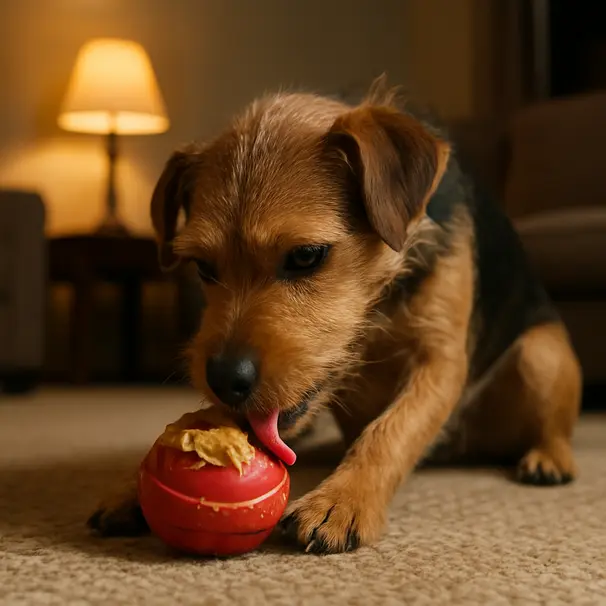
- Peanut butter on a toy: Spread a small amount inside a durable toy to extend playtime.
- Frozen peanut butter inside a Kong: Great for hot days or long-lasting enrichment. Use only vet-approved peanut butter and moderate the serving.
Always factor in the calories and monitor how your dog digests these treats.
Alternatives to peanuts
If you’re not comfortable with peanuts, plenty of safer treat options exist:
- Plain cooked chicken or turkey pieces
- Small pieces of apple (no seeds)
- Carrot sticks or green beans
- Commercial dog treats with simple, vet-approved ingredients
These alternatives can offer lower calorie or more digestible options while still being tasty and rewarding.
Tips for carers and pet sitters
As a pet carer, consistency with the owner is key. Before offering peanuts or peanut butter to a dog in your care, confirm with the owner:
- Is the dog allowed peanuts or peanut butter?
- Has the dog ever had a reaction to peanuts?
- Are there specific brands to use or avoid, especially regarding xylitol?
Keep a small pouch of approved treats on walks, and avoid sharing human snacks without explicit permission. If a dog consumes something questionable while in your care, notify the owner and recommend a vet consult if needed.
Common questions
Can puppies have peanuts? Puppies have sensitive digestive systems. Tiny tastes of plain peanut butter may be okay occasionally, but whole peanuts and shells are a bad idea. Check with your vet for specific recommendations.
Are roasted peanuts better than raw? Roasted peanuts may change flavor and texture, but roasting doesn’t remove all potential risks. Salt and seasonings on roasted peanuts are the main concerns.
Can dogs with pancreatitis have peanuts? Dogs with pancreatitis or fat-sensitive conditions should avoid high-fat treats like peanuts. If your dog has pancreatic concerns, always consult your veterinarian.
Quick safety checklist
- Remove shells before giving peanuts.
- Use plain, unsalted peanuts or vet-approved peanut butter.
- Check ingredient lists for xylitol and chocolate.
- Start with tiny portions and watch for reactions.
- Keep treats to under 10% of daily calories.
- Confirm with the owner or vet if you’re a carer.
Final thoughts
Peanuts can be an occasional, enjoyable treat for some dogs, but they’re not a universal snack. Shells add unnecessary risk, and flavored or sweetened peanut products can be dangerous. Take a cautious approach: start small, read labels, and loop in your vet if you’re unsure. As a pet owner or carer, your goal is to keep pups safe while sharing a moment of joy—that tiny lick of peanut butter can be as meaningful as a full bowl of fancy treats.
If you enjoyed this guide, save it for the next time someone offers your dog a peanut. And if you’re ever in doubt, reach out to your vet—better safe and snuggly than sorry and stressed.