

Quick answer
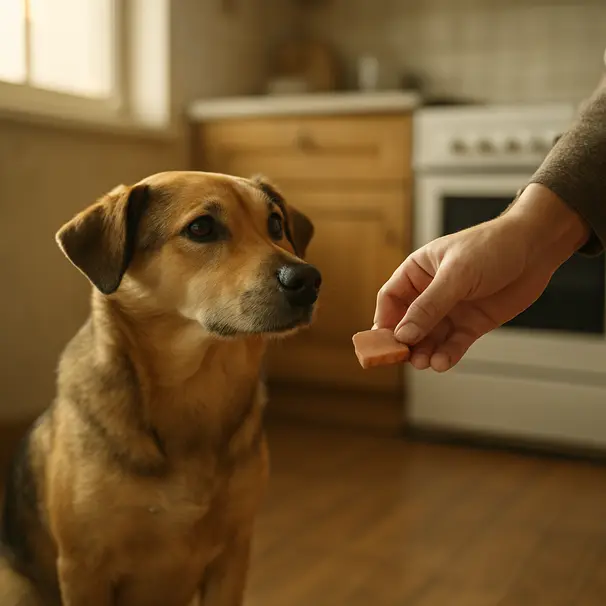
Yes, many dogs can eat plain, cooked pork in small amounts, but there are important safety points to consider first. Pork can be a tasty treat for dogs, but it can also cause stomach upset, pancreatitis, or more serious problems if it is raw, fatty, seasoned, or includes bones. Read on for practical, vet-approved guidance to help you make safe choices.

Is pork safe for dogs?
Pork itself is not toxic to dogs. Lean, unseasoned pork cooked thoroughly can provide protein and some amino acids dogs may enjoy. That said, pork tends to be fattier than many other meats, and high fat content can lead to digestive issues or pancreatitis in sensitive dogs. Some dogs may also be allergic to pork protein, though food allergies are less common than people think.
Consider your dog’s size, age, weight, and medical history. Puppies, senior dogs, and dogs with a history of pancreatitis, obesity, or digestive sensitivity may need stricter limits or should avoid pork altogether. If your dog is on a special diet or has known food sensitivities, check with your vet before introducing pork.
Cooked versus raw pork: What to choose
- Cooked pork: Cooked, plain pork is the safer option for most dogs. Make sure the meat reaches a safe internal temperature and that it is fully cooked so parasites like trichinella are not a concern. Avoid marinades, sauces, onions, garlic, or other seasonings.
- Raw pork: Raw feeding has risks. Raw pork can contain bacteria and parasites that might harm your dog or household members. If you follow a raw diet for your dog, discuss strict safety steps with a veterinarian and a nutritionist, and source meat carefully.
If you consider raw pork, think about the sanitation, freezing practices, and the health status of everyone in the household. Many vets recommend avoiding raw pork due to parasite risk, especially in regions where certain parasites are more common.
Pork bones and fat: common hazards
Bones and excess fat are two of the most frequent causes of emergencies after dogs eat pork.
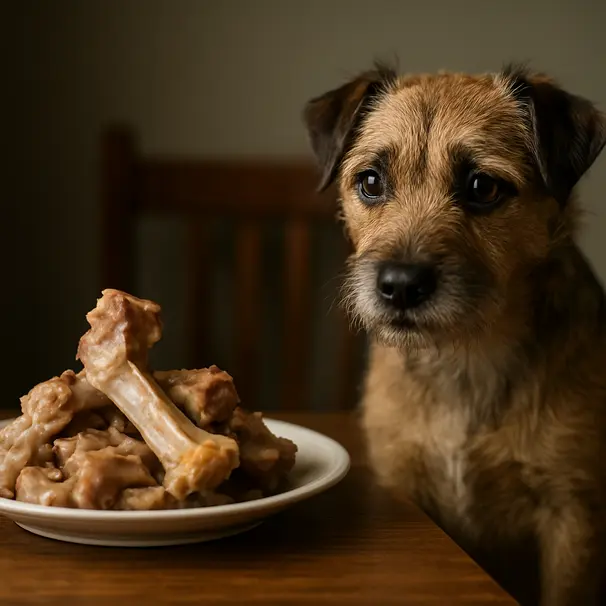
- Cooked bones: Never give cooked pork bones to a dog. Cooked bones splinter easily and can cause choking, tears in the mouth, or punctures and blockages in the digestive tract. These situations often need emergency surgery.
- Raw bones: Raw bones are still risky. They can carry bacteria and may still splinter. If you choose to feed bones, research safe practices and supervise closely.
- Fat trimmings: Pork can be very fatty. Eating fatty scraps or trimmings may lead to stomach upset, vomiting, or pancreatitis, a painful and potentially serious condition. Even one high-fat meal can trigger problems in a susceptible dog.
Practical tip: If you want to give a meaty treat, remove visible fat and avoid all bones. Chop the meat into bite-sized pieces so it is easier to digest and less likely to cause choking.
Processed pork and seasonings to avoid
Processed pork products like bacon, ham, sausages, deli meats, and pulled pork often contain high salt levels, spices, garlic or onion powder, smoke flavoring, and preservatives. These ingredients can cause serious problems:
- Salt: Too much salt may lead to increased thirst, sodium poisoning, tremors, or neurological signs in severe cases.
- Garlic and onion: Even small amounts of garlic or onion can damage a dog’s red blood cells over time, particularly if fed repeatedly.
- Spices and sauces: Barbecue sauce, teriyaki, and other sauces often contain sugar, xylitol, or ingredients that irritate a dog’s stomach.
Bacon is a common temptation, but it is high in fat and salt. Rather than sharing a strip of bacon, offer a plain, lean piece of cooked pork or a dedicated dog treat.
How to introduce pork safely
- Start small. Offer a teaspoon-sized piece for a small dog, and a tablespoon-sized piece for a medium-to-large dog. Wait 24 to 48 hours and watch for signs of stomach upset, lethargy, or allergic reaction.
- Keep it plain. No seasonings, sauces, or glazes. Boiling, baking, or grilling plain pork are all fine methods as long as the meat is fully cooked.
- Remove fat and membranes. Trim the heavy fat to lower the risk of pancreatitis.
- Avoid bones. Remove all bones from the serving.
- Monitor your dog. If vomiting, diarrhea, hives, facial swelling, or breathing changes occur, contact your vet promptly.
Make a note of portion size in relation to your dog’s regular daily calorie intake. Treats should be less than 10% of total daily calories to avoid weight gain.
Portion sizes and feeding frequency
How much pork to give depends on your dog’s size and activity level. A few small, plain pieces as an occasional treat are appropriate for most dogs. For larger portions or regular feeding, balance the diet so your dog still gets the right nutrients from complete food.
If you want to use pork as a protein rotation, discuss balanced meal planning with a veterinary nutritionist. Homemade diets can lack essential vitamins and minerals if they are not properly formulated.
Signs of allergy or intolerance
Food allergies may show up as itchy skin, repeated ear infections, chronic licking, or gastrointestinal symptoms like vomiting and diarrhea. Food intolerances often cause stomach upset without the immune response. If you see rash, swelling of the face or lips, persistent vomiting, difficulty breathing, or collapse, seek emergency veterinary care.
If you suspect a food allergy, your vet may suggest an elimination trial. That process involves feeding a novel protein or prescription diet for several weeks to see if symptoms improve, then reintroducing pork under supervision.
What to do in an emergency
If your dog eats a large amount of fatty pork, cooked bones, highly seasoned meat, or shows severe symptoms, call your veterinarian or an emergency clinic right away. Describe what your dog ate, how much, and when. For potential bone ingestion or reactions involving breathing or collapse, prompt veterinary attention is essential.
Avoid inducing vomiting without veterinary advice, especially if bone fragments or sharp objects are possible. In some cases, vomiting can worsen the situation.
Alternatives to pork
If you prefer not to feed pork, there are plenty of safe protein options. Lean cooked chicken, turkey, and certain fish (properly deboned and cooked) are commonly well tolerated. Low-fat cottage cheese or plain yogurt in small amounts can be an occasional treat for some dogs, though dairy is not suitable for all.
Commercial dog foods often include a variety of protein sources. If you want more variety without the risks associated with fatty or seasoned human foods, look for a reputable dog food or treats made specifically for canine nutrition.
Tips for pet carers and sitters
If you care for someone else’s dog, always ask about dietary restrictions, allergies, and favourite treats. Follow these practical steps:
- Ask the owner if pork is allowed and whether the dog has had pork before.
- Stick to plain, lean options if sharing from your own snacks.
- Avoid giving any processed pork items or treating with table scraps that contain garlic, onion, or high salt.
- Keep emergency contact numbers and the owner’s vet info handy.
Good communication with the owner avoids awkward situations and keeps the dog safe.
Special considerations: puppies, seniors, and medical conditions
Puppies have sensitive digestive systems and different nutritional requirements. Too many treats or rich foods can cause digestive upset or poor growth. Older dogs may have dental issues, pancreatitis risk, or chronic conditions that make fatty foods a bad idea.
If your dog has kidney disease, heart disease, or a history of pancreatitis, ask your veterinarian before offering any new human food. Those dogs often need carefully controlled diets and may not tolerate even small amounts of fatty meat.
Making pork a positive experience
If you decide to give pork, make it a pleasant, low-risk experience:
- Use pork as a high-value training treat if your dog tolerates it well. Tiny pieces work best.
- Combine pork with a low-calorie vegetable like cooked plain pumpkin or green beans for a balanced snack.
- Offer new treats in calm settings so you can watch for subtle reactions.
Final thoughts
Plain, cooked, lean pork can be an occasional treat for many dogs, provided bones, excess fat, and seasonings are avoided. Always introduce new foods slowly, keep portion sizes modest, and consult your veterinarian about your dog’s specific needs. When in doubt, choose a dog-formulated treat or check with a professional before sharing family meals.
Feeding a dog is part science and part love. A little caution and common sense go a long way, so you can keep those tail wags coming without the vet bills or tummy troubles.