

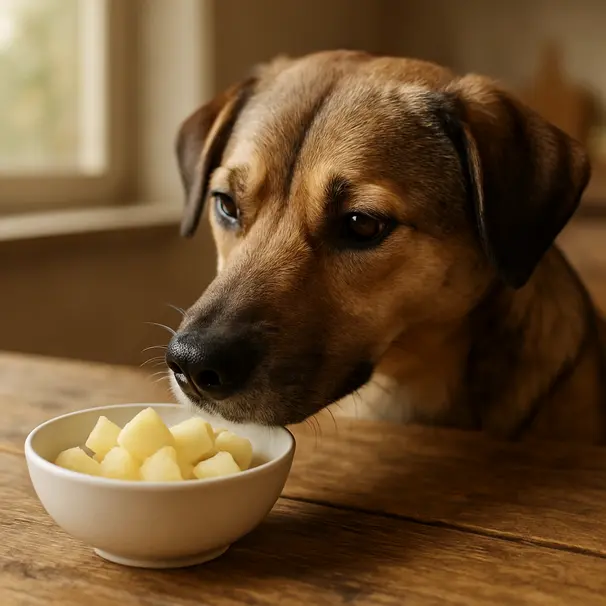
Can dogs eat potatoes?
Short answer: yes, many dogs can eat potatoes in moderation, but there are important caveats. Potatoes are a starchy vegetable that can add variety to a dog’s plate, especially if cooked plainly and offered as an occasional treat. At the same time, some potato preparations and parts of the potato plant may cause stomach upset or worse. This guide walks through safe preparation, portion ideas, signs to watch for, and practical tips for pet owners and carers.
What type of potato is safe?
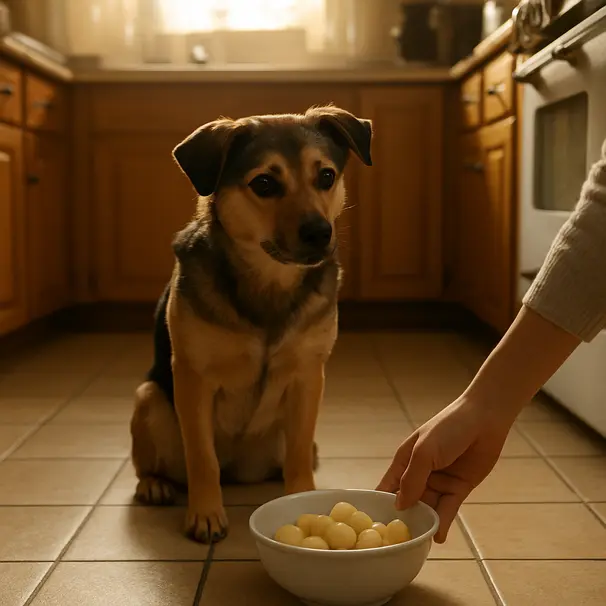
- White or yellow potatoes: These are the common ones people use for mashing or baking. Cooked plain, they may be offered occasionally as a treat.
- Sweet potatoes: Technically a different vegetable, sweet potatoes are often a gentler, nutrient-rich option. Many pet owners prefer them for treats because they bring fiber and vitamins, but plain is key again.
- Green or sprouted potatoes: Avoid. Green skin or sprouts can contain glycoalkaloids like solanine which may be toxic to dogs.
Cooked plain potatoes can be easier for some dogs to digest than raw ones. Keep in mind that potatoes are mainly carbohydrates and not a substitute for balanced dog food.
Raw potatoes, skins, and green spots: why care?
Raw potatoes contain solanine, especially if they have green patches or sprouts. Solanine can irritate the gastrointestinal tract and may be harmful in larger amounts. It’s safest to avoid feeding raw potatoes, and always remove any green parts or sprouts before cooking.
Potato skins are not automatically dangerous, but they can be tougher to digest, and green-tinged skins should never be fed. If you want to give skin, make sure the potato was cooked, the skin is not green, and it’s in small, manageable pieces.
Best ways to prepare potatoes for dogs
Simple is best. Keep these preparation rules in mind:
- Boiled or baked plain: Cook until soft, cool, then serve in small pieces. Boiling or baking without oil or seasonings keeps them bland and safe.
- Mashed, plain: Mashed potatoes can be okay if they’re just potatoes and water. Avoid butter, milk, cream, salt, garlic, and onion, which can be harmful.
- No fried or heavily seasoned potatoes: Fries, chips, or potatoes cooked in lots of oil, salt, butter, or spices are not suitable. These can cause upset stomach, obesity, or more serious issues.
Always let the potato cool before serving. Hot food can burn a dog’s mouth, and very warm starchy food can be harder to digest.
How much potato is too much?
Portion control matters. Potatoes are calorie-dense and full of starch. Think of them as a treat, not a meal replacement. A few small cubes or a tablespoon or two of mashed potato for a small dog is often plenty. A larger dog might have a slightly bigger portion, but aim for treats to make up no more than 10% of daily calories.
If your dog is overweight, diabetic, or on a special diet, consider avoiding potatoes or speak with a vet first. Potatoes can raise blood sugar more quickly than protein or fiber-rich foods.
Introducing potatoes to your dog
When you try any new food, take it slow. Start with a tiny amount and watch for changes in appetite, stool consistency, energy, or any signs of an allergic reaction. Keep these steps in mind:
- Offer a pea-sized bite of cooked, plain potato.
- Wait 12 to 24 hours and watch for vomiting, diarrhea, itchy skin, or lethargy.
- If all looks well, you can occasionally include potato as a small treat.
If you see persistent vomiting, severe diarrhea, difficulty breathing, or extreme lethargy, contact your vet immediately.
Potato snacks and treat ideas
If you want to include potato-themed treats safely, try these simple ideas:
- Plain boiled cubes: Soft and easy to portion for training sessions.
- Baked slices: Thin, plain slices baked until slightly crisp make a low-fat treat. Don’t add oil or salt.
- Sweet potato chews: Slice thin, bake low and slow, and you have a chewy treat many dogs enjoy.
Avoid mashed potatoes made with butter, milk, sour cream, garlic, or onion. Those additions are the most common hazard.
Special considerations: dogs with health issues
Certain dogs may need to avoid potatoes or have smaller portions. Consider these situations:
- Diabetes or prediabetes: Potatoes are high in starch, and may affect blood sugar. Discuss with your vet before offering them.
- Weight management: If your dog needs to lose weight, high-carb treats can add up quickly. Choose lower-calorie options.
- Pancreatitis history: Fatty or greasy potato preparations can trigger pancreatitis. Keep potatoes plain and low-fat, or skip them entirely.
When in doubt, check with your vet. A quick call can help you decide if potatoes are a safe occasional snack for your pup.
Food interactions and poison risks
A few extra warnings to keep your dog safe:
- Garlic and onions: These are toxic to dogs and often appear in potato recipes. Never feed potatoes cooked with garlic, onion, chives, or related seasonings.
- Salt and seasonings: Human snacks are often too salty. Excess salt can cause thirst, sodium ion poisoning in severe cases, and general unhealthy habits.
- Leftovers with sauce or fat: Potatoes tossed in gravy or butter can be too rich and may cause digestive upset.
If your dog eats a large quantity of seasoned or fried potatoes, monitor them closely and contact a vet if you see concerning symptoms.
Storage and leftovers
Store cooked potato treats in the refrigerator and use within a few days. Discard any potatoes that smell off or show mold. Never feed a dog potatoes left out at room temperature for long periods; spoiled food can cause foodborne illness.
Tips for pet carers and sitters
If you’re caring for someone else’s dog, always ask the owner before offering human foods. A few practical rules to follow:
- Get written or verbal permission to feed treats.
- Confirm any allergies or health conditions first.
- Offer only the owner-approved portions and types of treats.
- Use the dog’s regular treats for training to avoid dietary surprises.
Being clear with dog owners about treats helps keep pets safe and avoids misunderstandings.
Quick troubleshooting: common questions
- My dog ate raw potato. What now? Small amounts may cause mild stomach upset. Watch for vomiting or diarrhea, and contact your vet if symptoms are severe or persistent.
- My dog ate potato skin with green spots. Is that dangerous? Green spots increase risk of solanine exposure. Contact your vet or emergency clinic for guidance, especially if the dog shows symptoms.
- Can puppies eat potatoes? Very small amounts of plain, cooked potato may be fine, but puppies have different nutritional needs. Consult your vet before adding human food to a puppy’s diet.
Simple feeding plan example
Here’s a gentle example of how to include potato safely:
- Week 1: Introduce a pea-sized cube of boiled, plain potato once.
- Week 2: If no reaction, offer one or two small cubes once or twice per week as a training reward.
- Ongoing: Keep potato treats occasional, and monitor weight and digestion.
Adjust portions by dog size and health needs. Treats should never replace a balanced dog food.
Final thoughts and safety reminders
Potatoes can be a safe, occasional treat for many dogs if they are cooked plain and offered in small amounts. Avoid raw, green, or sprouted potatoes, and never serve potatoes with garlic, onion, butter, salt, or heavy oils. For dogs with diabetes, weight issues, or a history of pancreatitis, consider skipping potatoes or consulting a vet first.
Pet carers, be sure to confirm treat rules with owners before sharing any human foods. When you stick to simple, plain preparations, potatoes can be a friendly little treat for curious noses and eager tails.
If you’re unsure about feeding potatoes to your dog, reach out to your veterinarian. And if you’re using Floofy to find a sitter or carer, share any dietary rules in the pet profile so everyone stays on the same page.
FAQ
- Are sweet potatoes better than regular potatoes? Many owners choose sweet potatoes for their extra fiber and nutrients, but both should be plain and served in moderation.
- Can potatoes cause allergies? Food sensitivities are possible with any new food. Watch for itching, swelling, vomiting, or diarrhea and consult a vet if you suspect an allergy.
- Is it okay to use potato as a training treat? Yes, in small cubes. Use them sparingly so they don’t replace regular training treats or alter daily calorie needs.
Thanks for reading. Give your pup a sniff test and a smile, and remember that small, simple treats often make the biggest memories.