


Quick answer: can dogs eat rosemary?
Short version: yes, in small amounts fresh or dried rosemary can be safe for many dogs, but concentrated rosemary products like essential oils should be avoided. Use caution, watch for reactions, and talk with your vet if your dog has health issues or is on medication.
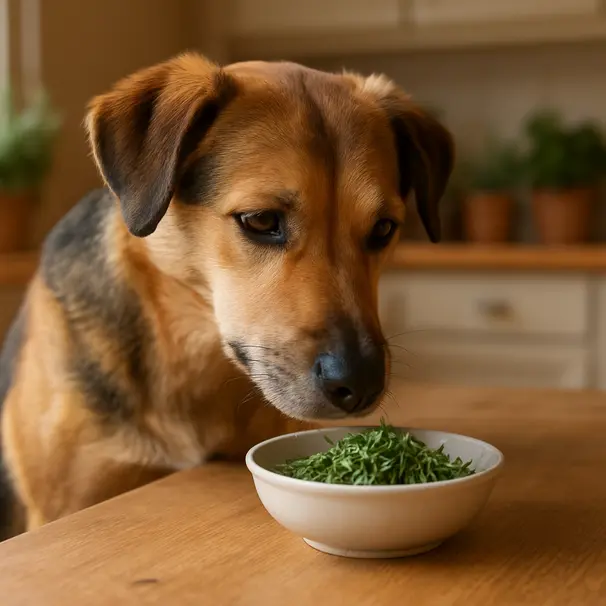
What is rosemary and why people use it
Rosemary is a fragrant herb native to the Mediterranean. People use it in cooking, home remedies, and grooming products because of its scent and perceived antioxidant qualities. For pet owners rosemary pops up in two main forms:
- Fresh or dried leaves, used as a seasoning or garnish.
- Concentrated extracts, essential oils, and infused products such as shampoos and sprays.
Both forms feel familiar in the kitchen and at home, but they aren’t the same when it comes to safety for dogs. Fresh leaves are bulky and mild, while oils are potent and can cause reactions in pets.
What’s inside rosemary that matters to dogs
Rosemary contains natural compounds like rosmarinic acid and essential oils. These are fine at culinary levels for many dogs, and they may add a pleasant aroma to food. At higher concentrations, the essential oils can be irritating.
Think of the difference between sniffing a chopped herb on your dinner plate and breathing a bottle of strong perfume. The concentrated version has a very different effect. That means small amounts of rosemary as a seasoning may be okay, but essential oils and undiluted extracts are a different story.
Potential benefits, but keep expectations modest
Some owners and groomers like rosemary because it may:
- Add aroma to homemade treats or food.
- Provide a tiny boost of antioxidants when used sparingly.
- Act as a mild natural scent in grooming products.
Use cautious language with words like may and can help. There’s no need to expect dramatic health improvements, and rosemary should never replace veterinary care or balanced nutrition.
Risks and red flags to watch for
Most dogs tolerate small amounts of fresh or dried rosemary. Still, you should consider the following risks:
- Gastrointestinal upset, such as vomiting or diarrhea, if your dog eats too much.
- Skin irritation from topical use, especially if a product contains essential oils.
- Sensitivity or allergy in a small number of dogs.
- Problems if your dog has a history of seizures or is taking medication. In these cases, always check with your vet first.
Concentrated rosemary oil can be particularly risky, because dogs are smaller and more sensitive to volatile compounds. Never let pets lick undiluted essential oils or ingest concentrated extracts.
How to offer rosemary safely in food
If you want to try rosemary as a flavor addition, follow these practical tips:
- Start small. A tiny pinch of fresh or dried rosemary mixed into a meal is a gentle way to test tolerance.
- Avoid raw large sprigs. Whole leaves can be hard to chew and swallow, and they may irritate the throat.
- Cooked is often gentler. Lightly cooking rosemary with food can mellow the flavor and make it easier to digest.
- Skip salted or seasoned products. If you use human leftovers, be mindful of added salt, garlic, onion, and other ingredients that can be harmful to dogs.
- Watch for signs of upset for 24 to 48 hours after the first introduction.
If your dog enjoys the smell but not the texture, a small amount of finely minced rosemary mixed into mashed pumpkin or plain cooked rice can be a low-risk way to add flavor.
Top grooming tips: rosemary and your dog’s skin and coat
Rosemary appears in some pet shampoos and rinses. It may provide a fresh scent and a gentle feel for some dogs. Keep these pointers in mind:
- Prefer products formulated for dogs. These are diluted correctly and tested for pet skin.
- Avoid using pure rosemary essential oil directly on skin. That’s too concentrated and can cause burns or irritation.
- Patch test any new product. Apply a small amount to a tiny area and watch for 48 hours.
- If your dog has sensitive skin, hot spots, or allergies, check with the owner’s vet before trying a rosemary-based product.
A soothing rosemary rinse sold for pets may be fine for many dogs, but it’s best to use commercial formulations designed for animals, rather than homemade essential oil mixes.

When to avoid rosemary entirely
There are situations where you should skip rosemary:
- Dogs with seizure disorders. Some herbal components may be contraindicated; always get veterinary approval.
- Pregnant or nursing dogs, unless a vet says it’s safe. Pregnancy changes how animals respond to compounds.
- Dogs on medication. Herbs can interact with drugs, so check with a vet before adding anything new to your dog’s diet or care routine.
- Puppies and very small dogs. Their small size means even modest amounts of concentrated compounds can have a stronger effect.
If you are ever uncertain, err on the side of caution and consult a veterinarian.
Signs your dog didn’t like rosemary
After offering rosemary, watch for these common signs of intolerance:
- Vomiting or diarrhea.
- Excessive drooling or nausea.
- Lethargy or unusual sleepiness.
- Skin redness, itching, or rash after topical exposure.
- Sneezing or coughing if the scent bothered them.
If you notice any of these, stop offering rosemary, rinse the area if topical, and contact a vet for advice, especially if symptoms persist.
Easy, safe rosemary treat idea for curious pet owners
Here’s a simple, gentle treat idea that uses a tiny bit of rosemary. Keep measurements small and avoid added sugars or harmful ingredients.
- Mix plain canned pumpkin or mashed banana with cooked oats.
- Add a very small pinch of finely chopped fresh or dried rosemary, well blended so it’s not in large pieces.
- Offer a pea-sized amount as a taste test.
This is meant for occasional use, not as a daily supplement. Always avoid chocolate, xylitol, grapes, raisins, garlic, and onion in any pet treat.
Practical tips for pet carers on Floofy
As a pet carer, you’ll often meet dogs with owners who use herbs. Here’s how to handle rosemary respectfully and safely:
- Ask the owner about the dog’s diet, allergies, and medical history before offering any human food or scented products.
- Never give a dog anything without explicit permission from the owner.
- If an owner mentions rosemary, ask whether it’s fresh, dried, or an essential oil. Essential oils should be kept out of reach.
- Keep a record of any foods or products the owner prefers you avoid.
- If you notice a reaction, contact the owner immediately and follow emergency instructions.
Clear communication and written notes in a care profile help everyone stay safe and reduce surprises.

A few practical dos and don’ts
Dos:
- Do start with tiny amounts and observe the dog.
- Do buy pet-safe grooming products from reputable brands.
- Do keep essential oils and concentrated extracts locked away.
- Do ask the owner and record dietary preferences.
Don’ts:
- Don’t give undiluted rosemary essential oil to a dog.
- Don’t assume every dog can handle herbs just because other dogs did.
- Don’t add lots of herb-heavy human foods to a dog’s regular diet.
What to tell worried owners
If an owner worries that their dog ate too much rosemary, suggest they monitor the pet and call their veterinarian if they see vomiting, diarrhea, or unusual behavior. If the ingestion involved essential oils or concentrated extracts, advise contacting a vet or a pet poison hotline promptly.
Final thoughts: gentle curiosity wins
If you love culinary herbs, it’s natural to wonder if your dog can join in. Small amounts of fresh or dried rosemary can be safe and add a pleasant aroma, but concentrated products require care. When in doubt, pause, ask, and check with a veterinarian. That way you’re protecting the dog and keeping snack time stress-free.

If you’re on Floofy and matching with a new pet, a quick question about herbal preferences can save a lot of guesswork, and most owners appreciate the thoughtful approach. Happy sniffing, and keep those tails wagging gently!