


Can dogs eat sausages? A warm, practical guide
We all know the look: your dog gives you that hopeful, slightly slobbery face while you’re enjoying a juicy sausage. It’s hard to resist. But before you share, it helps to pause and think about what’s in that sausage and how your dog might react. This article walks through the risks, safe practices, and friendly alternatives so you can keep snack time both kind and clever.
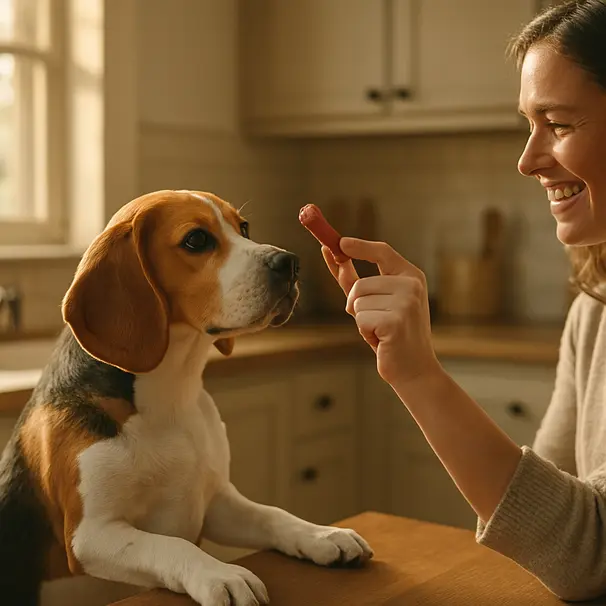
What’s actually in a sausage?
Sausages are convenient, tasty, and full of flavor because of their ingredients. That delicious smell comes from a mix of meat, fat, salt, spices, and sometimes herbs, smoke, or preservatives. Here’s what to look out for:
- Meat and fat: High fat content is common in many sausages. Fat is calorie-dense and can trigger stomach upset or more serious conditions if eaten in large amounts.
- Salt: Sausages often contain a lot of sodium to enhance taste and shelf life.
- Spices and seasonings: Garlic, onion, chives, and certain spice blends can be toxic to dogs in sufficient amounts. Some sausages also use chilli or paprika, which may irritate a dog’s digestive tract.
- Preservatives and additives: Nitrites, nitrates, and other curing agents are common in processed meats.
Knowing these components helps explain why sausages may be fine in tiny, occasional amounts for some dogs, but risky for others.
Are all sausages the same for dogs?
Not at all. There’s a big difference between a plain cooked chicken sausage and a heavily spiced chorizo or a greasy breakfast link. Consider these differences:
- Plain cooked lean sausages (chicken, turkey) tend to be lower in fat and less likely to contain harmful spices. They can be the least risky option if offered sparingly.
- Pork and beef sausages often have higher fat and salt levels. They can be tempting but may cause more digestive problems.
- Highly seasoned sausages, like chorizo or garlic-flavored varieties, can contain ingredients that dogs may not tolerate.
- Hot dogs and processed sausages are convenient, but they can contain lots of additives, salt, and fat.
If you’re unsure about a specific product, read the label and consider alternatives.
Common hazards and what to watch for
Here are the main reasons vets and carers often advise caution:
- Salt toxicity: A small lick won’t hurt, but larger amounts can cause excessive thirst, vomiting, and in extreme cases, sodium poisoning.
- Fat-related issues: Greasy sausages can cause vomiting and diarrhea. Repeated high-fat meals or a large single intake may contribute to pancreatitis, an inflamed and painful pancreas that may need veterinary care.
- Garlic and onion: These can damage a dog’s red blood cells over time, leading to anemia. Even small amounts given often may be problematic, and some sausages contain garlic powder.
- Spices and hot pepper: These can cause mouth, stomach, or intestinal irritation.
- Additives and preservatives: Processed meats may include compounds that aren’t great for canine health if eaten regularly.
Signs your dog is uncomfortable after eating a sausage can include drooling, vomiting, diarrhea, abdominal pain, lethargy, or unusual breathing. If you notice worrying signs, consider contacting a vet.

How much sausage is too much?
There’s no single safe number that fits every dog. Size, age, health status, and individual sensitivities matter. A tiny sliver of plain, cooked turkey sausage may be tolerated by a healthy medium dog. A whole link is usually too much.
Practical rules to consider:
- Keep portions tiny: If you decide to share, give a small, bite-sized piece and not as a regular habit. Think of it as a “one-off” novelty, not a training reward.
- Watch the fat: For dogs with a history of pancreatitis, obesity, or digestive sensitivity, avoid sausages altogether.
- Avoid seasoned varieties: If a sausage contains garlic, onion, chilli, or is heavily spiced, don’t give it to your dog.
- Consider body weight: A one-gram-per-kilogram approach doesn’t apply cleanly here, but the smaller the dog, the smaller the risk threshold.
When in doubt, skip it or choose a safer alternative.
What to do if your dog eats a sausage
Stay calm. Many dogs will be fine after a small amount, but it’s important to be observant and ready to act.
Step-by-step:
- Note what and how much: Check the packaging if you can, or describe the sausage to your vet.
- Watch for symptoms: Monitor your dog for vomiting, diarrhea, lethargy, abdominal pain, or rapid breathing. Keep an eye on their behavior for the next 24–48 hours.
- Call your vet if concerned: If your dog ate a lot of fatty sausage, or if the sausage contained garlic or onion, call your vet or an emergency pet hotline. Mention your dog’s size, breed, and any existing health issues.
- Don’t induce vomiting unless advised: Sometimes inducing vomiting can cause more harm. Follow professional instructions.
- Keep them comfortable: Offer water but avoid feeding a large meal immediately. If symptoms are mild, you may be advised to withhold food for a short time, then offer bland food under guidance.
If your dog has underlying conditions like pancreatitis, heart disease, or is on a special diet, consider contacting your vet straight away.
Safer alternatives and small treat ideas
If you want to reward your dog without the risks, try these swaps that are tasty and generally safer:
- Cooked lean meats: Plain cooked chicken breast or turkey, chopped small and unseasoned.
- Veggie treats: Slices of carrot, apple (no seeds), or steamed green beans.
- Commercial dog treats: Choose low-fat, low-salt options from reputable brands.
- Homemade meatballs: Make tiny meatballs using lean minced turkey, oats, and a bit of grated carrot. Bake until cooked through, cool, and offer in moderation.
A little creativity keeps treats interesting while reducing risk. Your dog may prefer the novelty of a new texture or smell over high-fat human snacks.
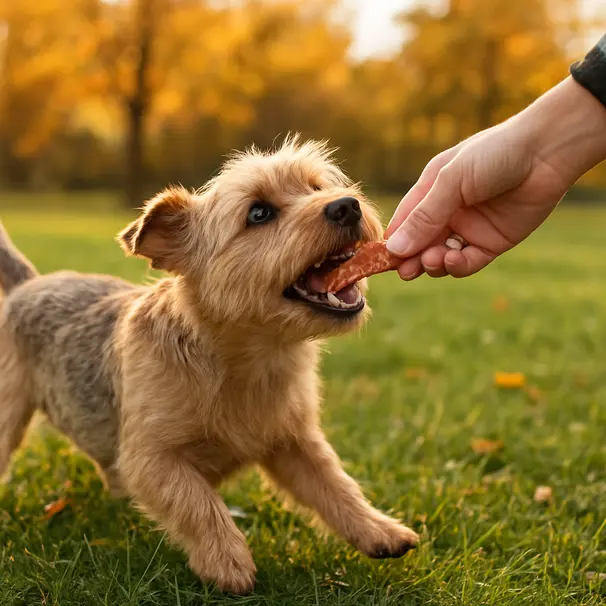
Quick homemade dog-safe sausage-style bites recipe
If you miss giving your dog something that looks a bit like a sausage, try this simple recipe. It’s lower in fat and free from harmful spices.
Ingredients:
- 1 lb (450 g) lean ground turkey or chicken
- 1/2 cup cooked plain rice or oats
- 1 small grated carrot
- 1 egg (helps bind)
Method:
- Preheat the oven to 180°C (350°F).
- Mix all ingredients in a bowl until just combined.
- Shape into small, bite-sized logs or balls.
- Place on a lined baking tray and bake for 15–20 minutes, until cooked through.
- Cool completely before offering a small portion as a treat.
This keeps portion control easier and avoids added salt or spices. Use these as an occasional treat, not a meal replacement.
Helpful tips for pet carers and dog sitters
If you’re looking after someone else’s dog, use a few simple precautions to avoid sausage-related slip-ups:
- Ask about diet and sensitivities first: Make a quick checklist—any allergies, pancreatitis history, or forbidden foods.
- Keep human food out of reach: Sausages can fall from counters or be dropped during garden barbecues.
- Offer approved treats: Bring a small stash of dog-friendly treats so you’re never tempted to share your own food.
- Communicate with the owner: If the dog gets offered something by a visitor, confirm before allowing them to eat it.
These small acts show professionalism and keep dogs safe and happy while you care for them.
Common questions from pet owners
Can puppies eat sausages?
Puppies have developing digestive systems, so it’s best to avoid fatty, salty, or seasoned sausages. A tiny plain piece of cooked lean meat occasionally may be okay, but prioritise puppy-formulated food and vet-approved treats.
What about hot dogs?
Hot dogs are processed, often high in fat and salt, and may contain onion or garlic powder. They’re best avoided, or offered only in a tiny pinch on rare occasions.
Is smoked sausage worse than fresh?
Smoked or cured sausages often contain more preservatives and sodium. They may be worse for a dog’s system if eaten regularly.
Keeping treats part of a balanced life
Sharing special human food with your dog is a meaningful ritual for many of us, and it’s okay to enjoy those moments carefully. The key is moderation, awareness of ingredients, and choosing safer options most of the time. If you love giving your dog a little human-style snack, make it an occasional treat and pick the gentlest option available.
When to call the vet — a quick checklist
Contact a veterinarian if any of the following occur after your dog eats sausage:
- Repeated vomiting or persistent diarrhea
- Abdominal pain or your dog seems very uncomfortable
- Trouble breathing, pale gums, or collapse
- Your dog ate a large amount, a highly seasoned sausage, or one containing garlic/onion
Being cautious and prompt helps keep problems small. Your vet may ask for details about the type and amount of sausage consumed and your dog’s weight and medical history.
Final thoughts: enjoy treats thoughtfully
Sausages are a tempting human food, and in tiny, rare amounts a plain, lean piece may not harm a healthy dog. Still, many sausages contain salt, fat, and seasonings that can cause problems if offered often or in large quantities. Keep portion sizes tiny, choose plain cooked meats if you must share, consider homemade dog-safe snacks, and watch for symptoms. When unsure, a quick call to your vet or the pet owner is a great way to stay on the safe side.
Treat time can be affectionate and fun, without being risky. With small swaps and a little planning, you’ll keep your dog happy and healthy, and you’ll still get those bonding moments we all love.