


Can dogs eat shellfish? A friendly, practical guide
Shellfish can look tempting to share from your plate, especially when your dog gives you those hopeful eyes. The short answer is: sometimes. But there are important details to consider. This post breaks down which shellfish are usually okay, which ones can be risky, how to prepare them safely, portion guidance, signs to watch for, and tips for carers who might be feeding other people’s pets.
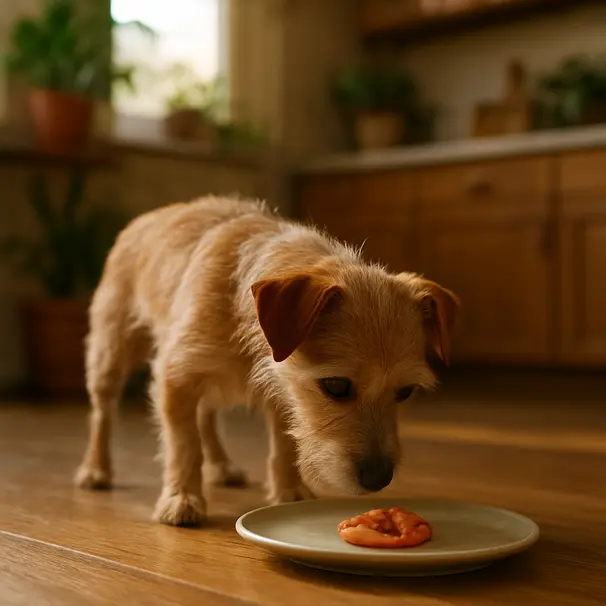
What do we mean by shellfish?
Shellfish covers a few different groups of seafood. The most common ones people consider sharing with dogs are:
- Shrimp and prawns
- Crab
- Lobster
- Mussels and clams (bivalves)
- Scallops
These come from both saltwater and freshwater sources. Each type has its own texture, size, and potential hazards. The main themes to watch out for are seasoning, shells, and anything raw or undercooked.
Which shellfish are generally safer for dogs?
If you want to be cautious, plain cooked shrimp and small amounts of cooked crab meat tend to be the most commonly shared shellfish. Cooked, shelled, unseasoned shrimp is often okay as an occasional treat for many dogs, because it is low in fat and easy to digest for most pets.
Mussels and clams are trickier. A single well-cooked mussel or clam may be okay for some dogs, but you need to be careful about shells, additives, and potential toxins. Scallops are sometimes given as a treat, but they can be chewy and harder to portion safely.
A few important notes:
- Shellfish should always be fully cooked, plain, and cooled. Raw shellfish increases the risk of bacteria and parasites.
- Remove all shells and sharp parts. Shell fragments can irritate or damage the mouth, throat, or digestive tract.
- Avoid fried or heavily seasoned preparations. That includes garlic, onion, butter, lemon, hot sauce, and excess salt.
The risks to keep in mind
Even when shellfish is cooked and shelled, there are several risks to consider. It helps to think like a cautious pet parent.
Allergies
Dogs can develop food allergies, and shellfish is one of the known triggers for allergic reactions in people and animals. Signs of an allergy may include itchy skin, facial swelling, hives, vomiting, or diarrhea. If your dog has never eaten shellfish, start with a very small amount and watch closely for any reaction.
Choking and obstruction
Shells, crab legs, lobster shells, and even shrimp tails can be sharp. If your dog swallows shell fragments, they may puncture or irritate the digestive tract, or cause a blockage. Smaller dogs and puppies are at higher risk.
Seasonings and added ingredients
Restaurant dishes and home recipes often include garlic, onions, heavy oils, or spices that are toxic or upsetting to dogs. Garlic and onions in particular can damage a dog’s red blood cells over time. Butter and rich sauces can cause digestive upset or pancreatitis in sensitive dogs.
Salt and sodium
Some seafood is brined or served with salty sauces. Too much sodium can be harmful, especially to dogs with heart or kidney conditions. Even a small amount of salty human food can trigger thirst, vomiting, or more serious problems in susceptible dogs.
Toxins and contaminated shellfish
Certain shellfish can carry naturally occurring toxins from algae blooms, like paralytic shellfish toxins. Those toxins affect people and animals. Shellfish harvested from questionable sources, or during an algal bloom, may be dangerous.
Bacterial contamination and parasites
Raw shellfish may carry bacteria such as Vibrio species. While cooking reduces bacterial risk, raw or undercooked shellfish increases the chance of gastrointestinal upset or infection.
How to prepare shellfish safely for dogs
If you decide to share shellfish, follow these practical steps to reduce risk:
- Use plain, fully cooked shellfish. Boiling or steaming without salt or seasoning is best.
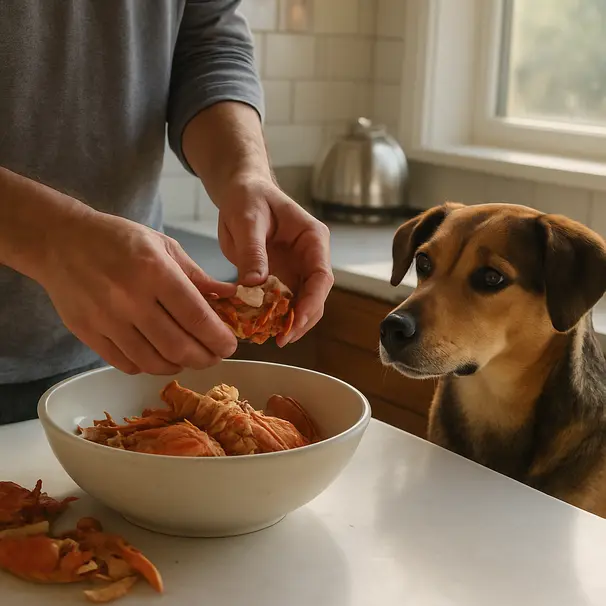
- Remove every bit of shell, cartilage, and any sharp edges. Inspect the meat carefully.
- Cut into small, bite-sized pieces appropriate for your dog’s size and chewing ability.
- Start with a tiny amount, a nibble for the first time, and wait 24 hours to watch for signs of allergy or upset.
- Avoid fried, breaded, or sauced versions. No garlic, onions, chives, scallions, or heavy butter.
- Don’t add salt. A pinch for a large dog is still unnecessary and avoidable.
Think of shellfish as an occasional special treat, not a regular part of the diet. Treats should make up no more than about 10 percent of daily calories, and shellfish counts toward that total.
Portion sizes and frequency
How much shellfish to give depends on your dog’s size and health. A few small shrimp pieces for a toy breed might be enough, while a large dog might handle a slightly larger portion.
As a rough guideline:
- Toy or small breeds: a quarter to half a shrimp as a one-off treat
- Medium breeds: one shrimp to two small pieces of crab meat
- Large breeds: a couple of shrimp or a small spoonful of crab or lobster meat
Only offer shellfish occasionally. Making it a weekly or daily treat can increase the risk of allergy development, digestive upset, or imbalances in the diet.
Signs your dog might be having a problem
After trying shellfish, keep an eye on your dog for the next 24 hours. Early signs of trouble include:
- Vomiting or diarrhea
- Excessive drooling
- Hives, itchiness, or red skin
- Swelling of the face, lips, or eyes
- Trouble breathing, wheezing, or coughing
- Lethargy, weakness, or collapse
If you notice any signs of an allergic reaction or breathing difficulty, contact your vet immediately. For vomiting, persistent diarrhea, or signs of internal discomfort, call your vet for guidance. If you suspect shell fragments were swallowed and your dog seems painfully bloated, unable to pass stool, or very lethargic, seek emergency care.
What to do if your dog ate raw or seasoned shellfish
If your dog ate raw shellfish or a dish that included garlic, onions, or large amounts of salt:
- Call your veterinarian or an emergency clinic right away for advice.
- Be ready to describe what was eaten, how much, and when it happened.
- Your vet may recommend monitoring at home or bringing your dog in for observation.
Try not to induce vomiting without first checking with a professional. The right step depends on what was consumed and how long ago it happened.
Special situations: puppies, seniors, and dogs with health conditions
Puppies have developing digestive systems and immune systems, so introduce new foods extremely sparingly. Older dogs and dogs with kidney, liver, or heart disease may be more sensitive to salt, toxins, or fatty foods. If your dog has existing health issues, consider avoiding shellfish entirely unless your vet gives the okay.
Tips for pet carers and sitters
If you care for other people’s dogs, clear communication is key. Ask the owner about the dog’s diet, allergies, and preferences before offering anything new.
- Never give shellfish to a dog with unknown allergy history without checking with the owner.
- Follow the owner’s rules exactly. If the owner says no seafood, respect that boundary.
- If you need to prepare human food that includes shellfish in a shared space, keep the dog away from counters and discard shells safely.
- If a dog eats a forbidden item while you’re watching, notify the owner immediately and call a vet if symptoms appear.
Being transparent builds trust with owners and keeps dogs safe.

Safe alternatives and treats
If you love spoiling your furry friend but want to avoid shellfish risks, there are plenty of safe options:
- Plain cooked lean meats like chicken or turkey, unseasoned and boneless
- Small pieces of cooked fish like salmon or white fish, without bones and cooked plain
- Commercially prepared dog treats made from fish or shrimp that are formulated for pets
- Vegetables like cooked pumpkin or green beans as low-calorie snacks
Always introduce any new treat slowly and in small amounts.
FAQs
Q: Can dogs be allergic to shellfish? A: Yes, shellfish can be an allergen for dogs. Start with a small taste and watch for any reaction, and consult your vet if you have concerns.
Q: Is cooked shellfish safe if it has butter or garlic? A: Avoid any shellfish cooked with garlic, onions, or heavy butter. Garlic and onions are toxic to dogs, and rich foods can cause stomach upset or pancreatitis.
Q: What if my dog ate a shrimp tail? A: If it was a small piece, monitor for choking or digestive upset. If you notice gagging, vomiting, abdominal pain, or lethargy, contact your vet. For any concern about obstruction, seek immediate care.
Q: Are commercially prepared shrimp treats safe? A: Some commercial seafood treats made specifically for dogs can be safe, but check the ingredient list for additives, salt, and preservatives. Prefer treats from reputable pet brands and consult the package feeding guidelines.
Final thoughts for pet lovers and carers
Sharing a tiny, plain cooked shrimp with your dog can be a joyful moment for both of you. It can also be a source of worry if shells, seasonings, or allergies are in the mix. The safest approach is cautious: fully cook the shellfish, remove shells and seasonings, offer a very small portion, and watch your dog closely.
If you’re ever unsure, consider choosing a safer treat. And if a dog shows signs of an allergic reaction or serious illness after eating shellfish, contact a veterinarian right away. Caring for pets means balancing their curiosity with caution, and a little knowledge goes a long way toward happy, healthy tails.
If you’re using Floofy to find a trusted carer, ask them about feeding preferences and whether they’re comfortable with special treats. Clear communication helps everyone relax and enjoy snack time safely.
Happy snacking, and may your pup enjoy many safe, wag-filled moments!