


Can dogs eat spinach? What to know
Spinach shows up on a lot of grocery lists for good reason. It’s leafy, packed with nutrients for people, and some of us wonder if our dogs can share the love. The short answer is: in moderation, spinach can be a safe occasional snack for many dogs, but there are a few things to keep in mind. This article walks you through the benefits, the risks, safe preparation, serving ideas, and practical tips for pet carers and dog owners.
Why owners might consider spinach for dogs
Many dog lovers want to add fresh, whole foods to their pet’s diet. Spinach is low in calories and contains vitamins and minerals like vitamin A, vitamin K, iron, and fiber, which may make it appealing as a treat or topper. For owners trying to add variety or sneak extra nutrients into picky eaters, a little spinach mixed into a bowl can feel like a good swap for less nutritious snacks.
That said, spinach should never replace a balanced, nutritionally complete dog food. Think of it as an occasional complement, not a main course. Always consider your dog’s individual health and preferences before introducing any new food.

The potential benefits of spinach for dogs
- Vitamins and minerals, in small amounts. Spinach contains vitamin A, vitamin C, vitamin K, iron, and calcium. These nutrients may support general health when offered as part of a varied diet.
- Fiber for digestion. A little fiber can help with bowel regularity for some dogs, especially when added sparingly.
- Low-calorie treat option. For dogs that need to watch their weight, a few leaves of spinach are a low-calorie alternative to high-fat snacks.
Remember, benefits are modest and come from occasional, appropriately sized portions. Spinach can help add variety, but most of a dog’s daily nutrient needs should come from complete dog food.
Risks and concerns to consider
- Oxalates. Spinach has relatively high oxalate content. Oxalates can bind with calcium and may contribute to crystal formation in susceptible dogs. If your dog has a history of calcium oxalate bladder stones or kidney problems, consider avoiding spinach and talk to your vet first.
- Vitamin K and medication interactions. Spinach is rich in vitamin K. If your dog is on blood-thinning medication, spinach may affect how that medicine works, so consult your vet before adding it to the diet.
- Gastrointestinal upset. Too much spinach can cause vomiting or diarrhea in some dogs. Start with tiny amounts and watch for any digestive changes.
- Choking hazard. Large whole leaves can be difficult to chew, especially for small dogs. Chop or blanch before serving.
- Pesticide residues. Leafy greens can carry pesticides. Wash thoroughly or choose organic if you’re concerned.
- Toxic seasonings. Many human preparations include garlic, onion, butter, salt, or other ingredients that can be harmful to dogs. Always serve plain spinach.
How to prepare spinach safely for your dog
Preparation matters. The simplest, safest way to offer spinach is plain, clean, and lightly cooked or finely chopped raw. Here are practical steps:
- Wash thoroughly. Rinse leaves to remove dirt and pesticides.
- Remove thick stems. Stems can be fibrous and harder to digest.
- Chop finely for small dogs. Tiny bits reduce choking risk and make digestion easier.
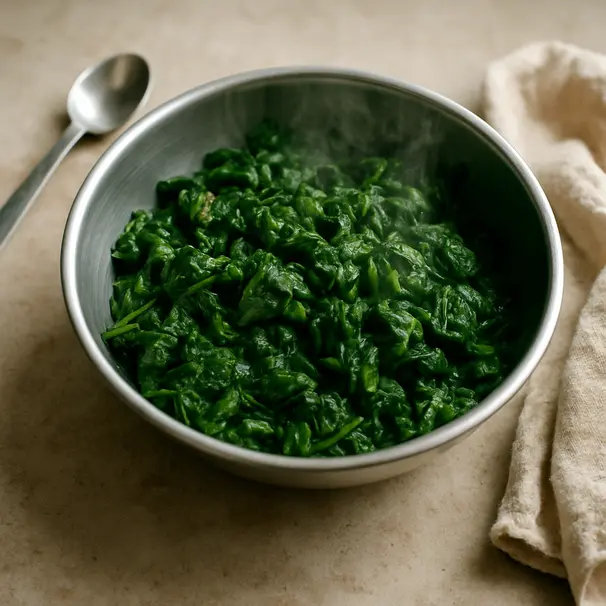
- Lightly steam or blanch if preferred. Cooking reduces oxalate levels and makes the leaf easier to chew and digest. Avoid adding oil, butter, salt, or seasonings.
- Cool before serving. Serve at room temperature so your dog doesn’t get burned.
Serving ideas:
- Sprinkle a teaspoon of chopped spinach over food for small dogs.
- Mix a tablespoon into wet food for medium dogs.
- Puree a small handful into homemade toppers for picky eaters.
Serving size and frequency: simple guidelines
There are no universal rules, but conservative portions and infrequent servings are best for most dogs. Use these general suggestions and adjust based on your dog’s size, health, and tolerance.
- Toy and small breeds (under 10 lbs): 1 to 2 small leaves, finely chopped, per serving, a few times a week at most.
- Small to medium breeds (10–30 lbs): 1 to 2 tablespoons chopped, a few times a week.
- Medium to large breeds (30–60 lbs): 2 to 4 tablespoons chopped, up to several times a week.
- Large and giant breeds (60+ lbs): Up to 1/4 cup chopped occasionally.
Always start with a tiny sample the first time. Watch for signs of digestive upset over the next 24 to 48 hours. If your dog handles spinach well, it may become a safe occasional treat. If you notice vomiting, diarrhea, lethargy, or other changes, stop feeding spinach and check with your vet.
Signs of intolerance or adverse reaction
Keep an eye out for these symptoms after introducing spinach:
- Vomiting
- Loose stool or diarrhea
- Lack of appetite
- Excessive gas
- Itching, hives, or signs of an allergic reaction
- Changes in urination or signs of discomfort when urinating
If you see any of these signs, stop feeding the spinach and call your veterinarian for advice.

Spinach and common health conditions
- Kidney disease or a history of stones. Because of oxalates, spinach may not be a good choice for dogs with kidney issues or a history of calcium oxalate stones. Ask your vet for tailored advice.
- Blood-thinning medication. If your dog takes anticoagulants, spinach’s vitamin K could alter medication effectiveness. Discuss this with your vet before offering spinach.
- Thyroid concerns. Spinach contains compounds that in very large amounts could affect thyroid uptake, though this is unlikely from occasional servings. Still, check with a veterinarian if your dog has thyroid disease.
When in doubt, consult your veterinarian. They can consider your dog’s full medical history and medications and advise whether spinach is appropriate.
Practical tips for pet carers and sitters
If you care for other people’s dogs through a service or as a sitter, communication is key.
- Ask the owner first. Always check whether the dog is allowed to have spinach and if the owner has any preferences about portion and preparation.
- Know the dog’s medical history. Be aware of allergies, kidney issues, and medications that could interact with vitamin K.
- Offer it plain. No seasoning, oil, or added ingredients unless explicitly approved by the owner.
- Watch the dog after the first offering. Note any digestive reaction and report back to the owner.
- Keep treats small. Avoid feeding large amounts during walks or training sessions.
These small steps help keep the dogs in your care safe and make you a trusted, thoughtful carer.
Easy spinach snack ideas and recipes
Here are a few safe and simple ways to use spinach as a dog-friendly treat.
- Chopped-spinach food topper
- Lightly steam a small amount of spinach.
- Chop fine and sprinkle over regular kibble or wet food.
- Mix and serve immediately.
- Frozen spinach-broth cubes
- Lightly steam spinach and mix with low-sodium chicken or vegetable broth.
- Pour into ice cube trays and freeze. Great for warm days and slow chewers.
- Spinach-lean meat mix
- Cook lean chicken or turkey without seasoning.
- Finely chop and mix a small spoonful of steamed spinach into the meat. Serve cooled.
- Training snack mash
- Mix a small spoon of pureed plain canned pumpkin with a pinch of steamed, chopped spinach.
- Use tiny bits for training rewards, especially for dogs that benefit from softer treats.
Avoid mixing spinach with garlic, onion, chives, or excessive dairy. If you want to include yogurt, use plain, unsweetened yogurt and ensure the dog tolerates dairy.
A quick checklist before you serve spinach
- Has the owner approved it if the dog is not yours?
- Is the portion size tiny and appropriate for the dog’s size?
- Is the spinach washed, stem-free, and plain?
- Has the dog had a small test serving without adverse effects?
- Does the dog have a history of kidney stones or take blood thinners? If yes, check with a vet first.
Final thoughts
Spinach can be a nutritious, low-calorie occasional snack for many dogs, though the advantages are modest and the risks matter for certain pets. Prepared simply, offered in small amounts, and introduced slowly, spinach may add a little variety to your dog’s diet. When you’re unsure, your veterinarian is the best resource to confirm whether spinach is suitable for your dog’s individual health needs.
As a pet owner or carer, small choices like how you introduce new treats show you care. A few leaves, a careful watch, and a quick chat with a vet can keep tails wagging and tummies comfortable.
If you’d like, try one of the simple snack ideas above or ask your regular vet whether spinach fits into your dog’s food routine. Happy snacking, and may your walks be leafy and joyful!