

Can dogs eat walnuts? A quick, honest answer
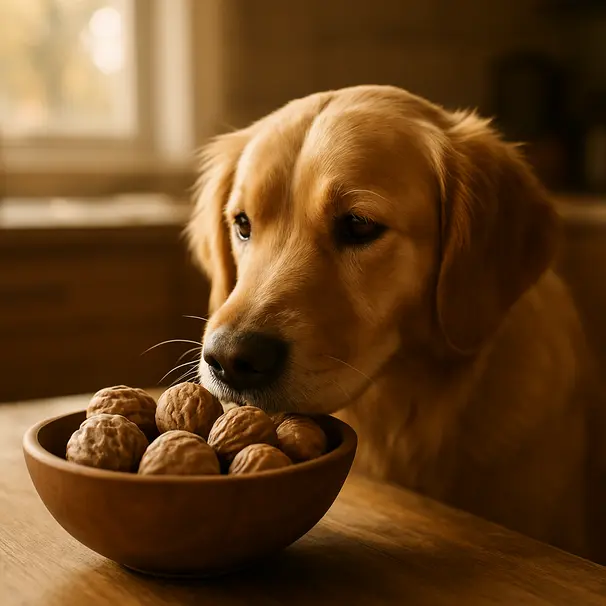
Short answer: it’s best to avoid feeding your dog walnuts. While a single small piece of a fresh, plain walnut may not cause an emergency for every dog, walnuts can be risky in several ways. Some are large choking hazards, some carry harmful molds, and the high fat content can upset digestion or contribute to pancreatitis in sensitive dogs.
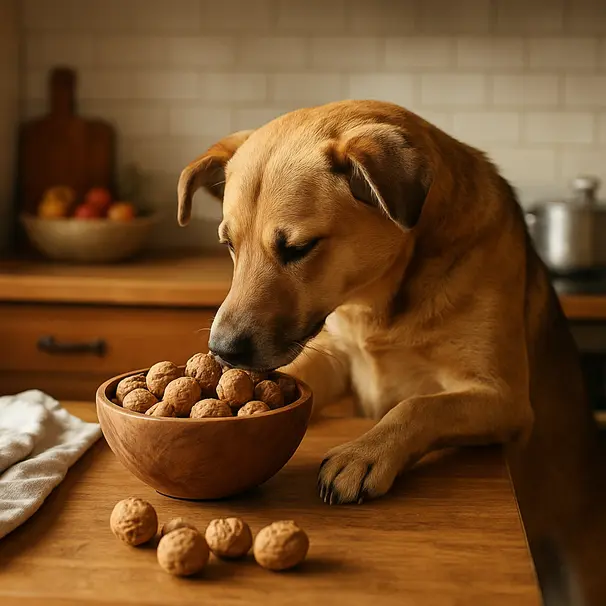
If a curious nose nudges a shelled walnut off the counter, don’t panic right away. Calmly remove anything remaining, note what your dog ate, and keep an eye on them. If the walnut was moldy, your dog starts to show worrying symptoms, or you’re uncertain about the amount, calling your veterinarian is a good next step.
Why walnuts can be dangerous for dogs
Walnuts cause problems for dogs in a few different ways. Understanding each risk helps you make safer choices at home and when you’re out with a dog you care for.
Mold and mycotoxins
Walnuts stored improperly can grow mold. Some molds produce mycotoxins, which may cause neurological signs, tremors, or gastrointestinal upset in dogs. The risk is higher if a dog eats several moldy nuts. Since mold isn’t always obvious, any nut that smells off or looks discolored should be considered unsafe.
High fat content and pancreatitis risk
Walnuts are fairly fatty. A sudden intake of rich, fatty foods may tax a dog’s digestive system, and in susceptible dogs can contribute to pancreatitis, a painful inflammation of the pancreas. Signs can be subtle at first — reduced appetite or quiet discomfort — so watching your dog carefully after they’ve eaten something fatty is wise.
Choking and intestinal blockages
Whole walnuts, nut halves, and intact shells are all potential choking hazards, especially for small dogs. Bigger dogs aren’t immune either. If a large piece is swallowed, it can lodge in the throat or, worse, cause an obstruction further down the digestive tract, which may require urgent veterinary attention.
Seasonings, salts, and flavored varieties
Walnuts in flavored mixes, candied walnuts, or anything with added salt, garlic, or onion are more dangerous. Salted nuts can lead to salt toxicity if eaten in large amounts. Garlic, onion, and some spices are toxic to dogs, even in relatively small quantities, so keep seasoned products well away from pets.
Not all nuts are the same
It’s worth noting that some nuts have different risk profiles. For instance, macadamia nuts are known to cause transient weakness and other specific symptoms in dogs. Still, walnuts carry their own combination of mold, fat, and size-related hazards, so treating every nut encounter with caution is the safest approach.
Signs your dog might be reacting badly to walnuts
Watch for these signs after walnut ingestion. Some appear quickly, others may take hours to show up.
- Vomiting or repeated retching
- Diarrhea, sometimes with blood
- Excessive drooling
- Abdominal pain, whining, or unusual postures
- Lethargy or weakness
- Tremors or trembly movements
- Coughing, gagging, or difficulty breathing if something is stuck in the throat
If you notice severe signs like persistent vomiting, bloody stool, collapse, trouble breathing, or unresponsiveness, contact an emergency vet right away. For milder signs, call your regular vet for advice and monitoring recommendations.

What to do if your dog eats walnuts
Take a calm, step-by-step approach:
- Remove access: Put any remaining nuts, shells, and packaging out of reach.
- Check the walnut: If you can safely inspect the walnut, note whether it looked moldy, stale, or seasoned. That information helps your vet.
- Count and estimate: Try to estimate how many walnuts your dog ate and when. Size matters; a small dog that ate half a walnut may be at more risk than a very large dog that ate the same amount.
- Call for advice: Call your veterinarian or a pet poison helpline. Describe your dog’s size, breed, the amount eaten, and the walnut’s condition. They can advise whether you should watch at home or seek immediate care.
- Avoid home remedies without guidance: Don’t induce vomiting unless your vet specifically recommends it. Some situations make vomiting risky, like if the dog is having trouble breathing or the walnut is sharp or moldy.
- Monitor closely: Keep the dog calm, watch for any changes, and record symptoms to report to the vet.
If an obstruction is suspected — for instance, your dog is repeatedly gagging, drooling, or seems unable to eat — seek emergency care right away. Obstructions can become emergencies quickly.
How much is dangerous? It depends
There isn’t a single threshold that fits every dog. The danger depends on multiple factors:
- Dog size and weight: Smaller dogs have less tolerance for fatty foods and small obstructions.
- Number of nuts and whether they’re whole or crushed
- Whether the nuts were moldy or flavored
- Underlying health issues like pancreatitis history or a sensitive stomach
A single small piece of a fresh walnut might not cause any symptoms in a large, healthy dog. In contrast, a handful of moldy walnuts can be dangerous for a small dog. If you’re ever unsure, call your vet. They can help assess risk based on your dog’s specifics.
Safer snack alternatives and treats
If you love sharing snacks with your dog, there are plenty of safer choices that will still earn enthusiastic tail wags:
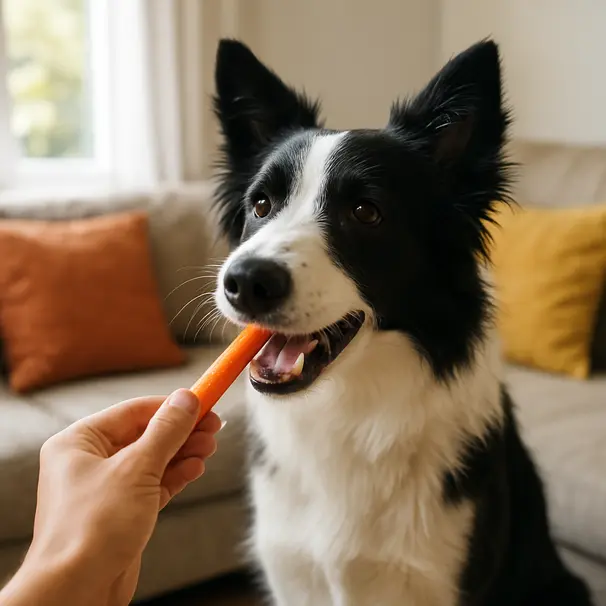
- Plain carrot sticks, sliced apples (no seeds), and cucumber slices
- Small pieces of cooked, unseasoned chicken or turkey
- Plain canned pumpkin or mashed sweet potato (no added sugar or spices)
- Dog-safe peanut butter with no xylitol, given in moderation
- Commercial dog treats designed for your dog’s size and dietary needs
Consider training-sized treats for frequent rewards. Always introduce new foods slowly and watch for digestive reactions. If your dog has specific health issues, consult with a vet before changing their diet.
Prevention tips for pet owners and carers
As a pet owner or a carer working through a platform like Floofy, prevention is the best strategy. A well-prepared environment reduces risky moments and keeps everyone calm.
- Store nuts and other human foods in sealed containers up high.
- Clean counters and tables promptly after snacking. Dogs are expert investigators.
- Use baby gates or closed doors to keep curious dogs out of kitchens while you prepare food.
- When entertaining guests, politely ask people not to feed the dog table scraps, especially nuts and sweets.
- For carers, ask clients about household food risks during meet-and-greets and confirm where food is stored.
- Carry safe treats during walks and visits so you can reward good behavior without grabbing whatever’s on hand.
Training tips: Teach “leave it” and “drop it” commands. These are lifesavers when a dog finds something dangerous on a walk. Positive reinforcement and short, consistent training sessions work best.

When to call a vet and what to expect
Call your vet if you’re worried or if your dog shows any signs listed earlier. Your vet might:
- Ask for details about the walnut and how much was eaten
- Recommend monitoring at home for mild cases
- Suggest bringing your dog in for an exam if symptoms are present
- Perform x-rays or other diagnostics if an obstruction is suspected
- Provide supportive care like fluids, anti-nausea meds, or pain control if needed
If you can’t reach your regular vet and you’re concerned, a pet poison helpline or emergency clinic can help with immediate advice. It’s better to call and ask than to wait if you’re unsure.
Notes for pet carers on Floofy
Clients trust carers to keep their pets safe. A quick checklist you can use during first visits:
- Where are human foods stored and what should be avoided? Nuts and chocolate should be flagged as off-limits.
- Are there pets with food sensitivities or previous pancreatitis? Ask for medical history.
- Where are emergency contacts and the vet’s phone number kept?
- Discuss the household’s rules on treats and table access so you can be consistent.
If a client’s dog gets into something concerning on your watch, stay calm, follow the steps above, and inform the owner immediately. Documentation helps: note the time, what was eaten, and the dog’s response.
Final thoughts
Walnuts aren’t a straightforward “never” in every single case, but they’re often more trouble than they’re worth. Between mold risk, fat load, and choking potential, avoiding walnuts and keeping them out of sight is a sensible routine for most dogs. When accidents happen, being prepared, staying calm, and calling your vet will help you make the best choice for your furry friend.
If you’re ever unsure, consider reaching out to a trusted vet or Poison Helpline for guidance. Little steps like training “leave it,” storing pantry items securely, and carrying safe treats can keep dogs healthy and carers confident.
Remember, a safe home makes for happier pets and happier people, whether you’re a pet parent or a professional carer. Keep those walnut bowls on high shelves, and reward good behavior with a crunchy carrot instead.