


Can dogs eat watermelon rind?
Summer brings juicy watermelon slices, and it’s hard not to share with a wagging friend. The sweet pink flesh is usually fine in small amounts, but the rind is a different story. Let’s walk through what the rind actually is, why it can be tricky for dogs, and how to keep sunny snack time safe and fun.
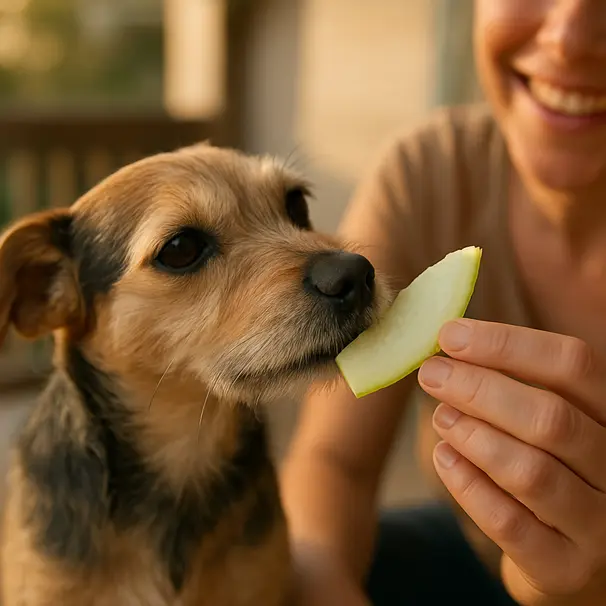
What is watermelon rind and why it matters
Watermelon rind is the firm green and pale inner layer that supports the juicy flesh. It’s higher in fiber and tougher than the red part, and that texture is part of the problem. While it isn’t highly toxic, that toughness can be hard for dogs to chew and digest. Big pieces may cause a blockage in the gastrointestinal tract or lead to an upset stomach.
Think of rind like a dense, fibrous chew. For a hardy chew- loving large dog it might pass without trouble, but for small dogs or pups it can be risky. And because each dog’s digestive system is different, the same piece may be harmless for one dog and upsetting for another.
Are there any nutrients or benefits?
The rind has some fiber and small amounts of vitamins and minerals. It also contains citrulline, an amino acid found in watermelon flesh and rind. However, the nutritional payoff is small compared with the potential for digestive trouble. If you’re feeding watermelon for hydration or a fresh treat, the red flesh gives the biggest benefit without the same chewing risk.
Common risks to watch for
- Gastrointestinal upset: vomiting, diarrhea, or constipation may follow eating tough rind.
- Choking hazard: large pieces can get stuck in the throat, especially in smaller breeds.
- Intestinal obstruction: a serious but uncommon risk, more likely with large chunks or multiple pieces.
- Excess sugar: watermelon flesh is naturally sweet. Frequent feeding of any fruit can affect weight or blood sugar in susceptible dogs.
Remember to consider your dog’s size, breed, and any preexisting digestive issues before sharing unusual foods.
How to offer watermelon safely (rind included)
If you and your dog are determined to try rind, follow these practical steps to reduce risk.
- Ask the owner first. If you’re a pet carer or visiting friend, never give a new food without permission.
- Start tiny. Offer a pea-sized piece and watch for reactions for 24 hours.
- Peel it thin. Remove the tough outer green skin and cut the paler inner rind into very small, thin strips or finely dice it so it’s easier to chew and pass.
- Cook or soften. Lightly steaming or boiling the rind until tender can make it gentler on a sensitive stomach. Let it cool completely before serving.
- Avoid seeds and seasoning. Remove seeds and never give rind that’s been sweetened or seasoned.
- Portion control. Aim for treats to be under 10% of daily caloric intake. For most dogs this means a few small bites, not whole wedges.
Serving ideas
- Tiny steamed cubes mixed into regular kibble as an occasional topper.
- Frozen, softened pieces for a cooling summer snack in supervised sessions.
- Blended into a watery puree stirred into food for added moisture without big fiber chunks.

Serving size guide by dog size
- Toy breeds (under 10 lbs): Avoid rind. If you must, a single pea-sized, finely minced piece is the maximum.
- Small breeds (10–25 lbs): Very small diced pieces, no more than a teaspoon total initially.
- Medium breeds (25–50 lbs): Up to a tablespoon of finely chopped or softened rind, given slowly and monitored.
- Large breeds (50+ lbs): May tolerate a bit more, but still stick to small, softened portions and watch for signs of trouble.
These are general suggestions. Consider your dog’s appetite, health, and previous history with new foods.
Signs your dog may be having trouble
Keep an eye on behavior for 24 to 48 hours after eating rind. Check for:
- Vomiting or repeated gagging
- Diarrhea or soft stools
- Abdominal discomfort, bloating, or whining
- Loss of appetite or lethargy
- Straining to defecate or no bowel movements
If your dog shows severe signs like persistent vomiting, obvious pain, pale gums, or collapse, seek veterinary care immediately. For milder signs, call your vet or a pet nurse to discuss whether observation at home is appropriate.
What pet carers should do differently
As a sitter, walker, or occasional feeder, you have responsibility for someone else’s pet. That means being cautious and communicating.
- Confirm dietary rules. Ask owners about treats allowed and any allergies or sensitivities.
- Avoid offering novel foods unless expressly permitted. Even well-meaning treats can cause trouble.
- Observe after feeding. If the owner says rind is okay, still offer tiny pieces and monitor closely.
- Log treats. Note when and how much you gave so the owner and any other carers know.
This helps keep the dog safe and gives owners confidence you’re thoughtful and careful.
Alternatives to rind that give similar satisfaction
If you want to share the summer vibe without the risks, try safer options:
- Seedless watermelon flesh: hydrating and low in calories.
- Cucumber: crunchy and watery, but cut into small pieces.
- Plain frozen blueberries: bite-sized popsicles that many dogs enjoy.
- Cooked sweet potato: soft, fibery, and usually well tolerated in small portions.
Each of these can provide texture or coolness without the same chance of obstruction.

Making watermelon a healthy treat habit
- Keep treats occasional. Fruit should be a small part of the overall diet.
- Balance with water. A juicy snack can be refreshing, but ensure fresh water is always available.
- Adjust for medical conditions. Dogs with diabetes or weight issues may need stricter limits.
- Introduce one food at a time. If your dog tries several new things at once, you won’t know which one caused a reaction.
Frequently asked questions
Can puppies eat watermelon rind?
Puppies have smaller throats and more sensitive stomachs. It’s safest to avoid rind entirely for young dogs. Offer tiny amounts of seedless flesh if you want to share, and always supervise.
What if my dog ate a big piece of rind?
If you know the dog swallowed a large chunk, or if they start vomiting, are lethargic, or seem in pain, contact your vet right away. For mild cases with no symptoms, call your vet for guidance and monitor closely.
Are watermelon seeds dangerous?
Whole seeds can be a choking or blockage risk, especially for small dogs. Remove seeds before offering watermelon, or choose seedless varieties.
Can cooked rind be better?
Softening rind by cooking can make it less likely to cause blockage. If you cook it plain and cool it fully, smaller dogs may tolerate it better. Still, proceed cautiously.
When to call a vet — practical checklist
Call a veterinarian if you notice any of the following after your dog eats rind:
- Repeated vomiting or inability to keep water down
- Severe diarrhea or blood in stool
- Signs of abdominal pain or bloating
- Collapse, pale gums, or extreme weakness
- Straining to defecate for an extended time
If the answer is unclear, it’s better to call and get advice than to wait. Your vet can suggest observation at home or immediate treatment depending on signs and the amount eaten.
A final note from a fellow dog lover
Sharing summer treats with our dogs is one of those small joys that builds memories. A lick of watermelon flesh is a happy, harmless moment for most pups. The rind, though, deserves more respect. It can be a choking hazard or cause digestive upset if offered carelessly.
Be cautious, offer tiny, softened pieces if you insist, and always check with the owner or your vet if you’re unsure. As a pet carer, prioritize safety and communication over generosity. Your responsible choices keep tails wagging and owners smiling.
If you want a quick recipe idea: freeze blended seedless watermelon with a little plain yogurt in silicone trays for cooling treats on hot days. Serve one cube and observe, then enjoy the relaxed sighs from a content pup.
If you’re ever in doubt about a food, take a picture of what was eaten, note how much, and call your vet. They can offer the best guidance for your dog’s health and your peace of mind.
Happy, safe snacking!