

Quick answer
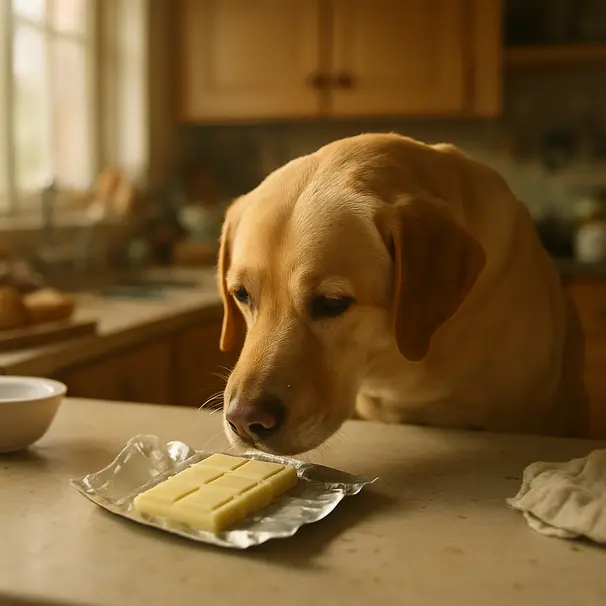
No, dogs should not eat white chocolate. It contains ingredients that can upset a dog’s tummy and, in large amounts, may cause more serious issues. While white chocolate generally has far less theobromine than dark or milk chocolate, it still brings risks because of fat, sugar, and possible additives.

Why white chocolate isn’t a safe treat
People often think white chocolate is harmless because it doesn’t taste like typical chocolate. That assumption can put a curious pup in danger. Here’s why white chocolate is still a concern:
- Theobromine and caffeine: These stimulants are the main reason chocolate is toxic to dogs. White chocolate has much less theobromine than dark chocolate, but it usually contains some, and very large amounts could matter for small dogs.
- High fat and sugar: White chocolate is rich and greasy. Too much fat can cause vomiting, diarrhea, or pancreatitis, a painful and potentially serious condition. Sugar can lead to upset stomachs and over time contribute to weight and dental problems.
- Additives and sweeteners: Many candy recipes include things like raisins, nuts, or xylitol. Xylitol is extremely toxic to dogs and can cause rapid insulin release and dangerous drops in blood sugar. Raisins are toxic to dogs too. Even if the white chocolate itself has low theobromine, these extras can be dangerous.
So, although white chocolate is less toxic by theobromine standards, the overall package can still be harmful.
How much is too much?
There’s no simple one-size-fits-all number for a “safe” amount, because toxicity depends on the dog’s size, age, health, and the exact ingredients in the chocolate. As a general idea:
- Small amounts of white chocolate are less likely to cause the classic chocolate toxicity signs linked to theobromine. However, a few bites may still cause gastrointestinal upset.
- Large amounts can cause vomiting or diarrhea from fat and sugar, and in some dogs may contribute to pancreatitis.
- If the white chocolate contains xylitol or other additives, even tiny amounts may be dangerous.
Because so many variables matter, consider the amount, your dog’s size, and any additional ingredients before deciding what to do.
Signs to watch for after your dog eats white chocolate
Watch your dog closely for at least 24 hours. Early signs may be mild, and more serious symptoms can take hours to appear. Common things to look for include:
- Vomiting or diarrhea
- Restlessness or hyperactivity
- Increased heart rate or panting
- Tremors or shaking
- Loss of coordination
- Weakness, collapse, or seizures in severe cases
If you suspect additives like xylitol are involved, early signs may include drooling, lethargy, or a sudden change in behavior. Low blood sugar signs include wobbliness and confusion.

What to do right away
Stay calm. Your choices in the first hour or two can make a difference.
- Check the packaging. Note the ingredients, especially anything that lists xylitol, raisins, macadamia nuts, or other risky items. Also estimate how much your dog ate.
- Call your vet or an emergency clinic. Tell them your dog’s weight, what they ate, how much, and when. If you can, have the packaging handy. The vet can help decide whether to monitor at home, induce vomiting, or take other steps.
- Don’t force anything unless your vet recommends it. Some home remedies can make things worse.
- Follow instructions. If the vet suggests bringing your dog in, do so right away. If they advise monitoring at home, watch closely for the signs listed above.
Consider contacting a pet poison helpline if your regular vet isn’t available. These hotlines can often give clear guidance based on the specifics of the ingestion.
Could my dog get pancreatitis from white chocolate?
Pancreatitis can be triggered by high-fat meals. Because white chocolate contains a lot of fat, a large binge could increase the risk, especially in dogs already prone to pancreatic issues. Symptoms of pancreatitis may include severe vomiting, abdominal pain, and lethargy. If your dog shows signs of severe stomach pain or repeated vomiting, contact your vet promptly. They may recommend evaluation, fluids, or other supportive care.
When to go to the emergency clinic
Get immediate veterinary care if your dog shows any of these:
- Seizures, collapse, or severe tremors
- Repeated or severe vomiting and dehydration
- Labored breathing or a very fast heart rate
- Extreme lethargy or unresponsiveness
If you know the white chocolate contained xylitol or other toxic additives, treat it as an emergency and contact your vet right away.
Safer treat ideas and what to offer instead
It’s helpful to have a list of safe alternatives ready for snack time. Dogs enjoy variety, and many human foods are perfectly fine in moderation.
Safer options to try instead of chocolate:
- Plain carrots, apple slices without seeds, or banana slices
- Small amounts of plain cooked chicken or turkey
- Commercial dog treats made for canine digestion
- Dog-safe peanut butter with no xylitol for stuffing toys
- Special dog-friendly chocolate substitutes made with carob
Always introduce new treats slowly, and keep portions appropriate for your dog’s size and dietary needs. If your dog has health issues like pancreatitis or diabetes, consult your vet before introducing new snacks.

Tips for pet carers and sitters
If you care for other people’s dogs, prevention is part of the job. A few practical habits can prevent a sweet disaster:
- Ask owners about dietary restrictions and known allergies when you meet the dog.
- Keep candy, wrappers, and leftovers out of reach. Dogs are surprisingly skilled at opening bags.
- Use secure waste bins, and avoid leaving plates or candy on counters.
- If hosting guests, mention that chocolate is off-limits and ask them to keep treats away from the dog.
- If an accident happens, act fast, inform the owner, and call a vet if needed.
These small steps help keep dogs safe and protect you from stressful emergency calls.
A few myths cleared up
Myth: Small bites of white chocolate are always fine. Fact: Small bites may not cause classic chocolate toxicity, but they can still lead to stomach upset, and additives may be dangerous.
Myth: All chocolate is equally dangerous. Fact: Dark and baker’s chocolate have high theobromine levels and are more toxic by weight, while white chocolate has much less theobromine but brings other risks.
Myth: Xylitol is only in sugar-free gum. Fact: Xylitol can be in many “sugar-free” foods, spreads, and even some peanut butters. Always check labels.
Final takeaway
White chocolate is not a safe snack for dogs. It may be less likely to cause classic chocolate poisoning than dark chocolate, but the fat, sugar, and possible additives can still harm your pet. If your dog manages to get into white chocolate, check the packaging, call your vet, and watch for symptoms. When in doubt, seek veterinary advice — it’s better to be safe and keep tails wagging.
If you’d like, save this guide or share it with friends and pet sitters. Better safe than sorry, and a little planning prevents a lot of worry.
Quick checklist for owners and carers
- Secure candy and wrappers out of reach.
- Keep a list of emergency vet numbers handy.
- Check ingredient labels for xylitol and other toxins.
- Offer dog-safe treats as a tasty alternative.
- Call a vet if you’re unsure or see concerning symptoms.
Thanks for looking out for your floofy friend. A moment of vigilance keeps them healthy and happy, and that’s what we all want.