

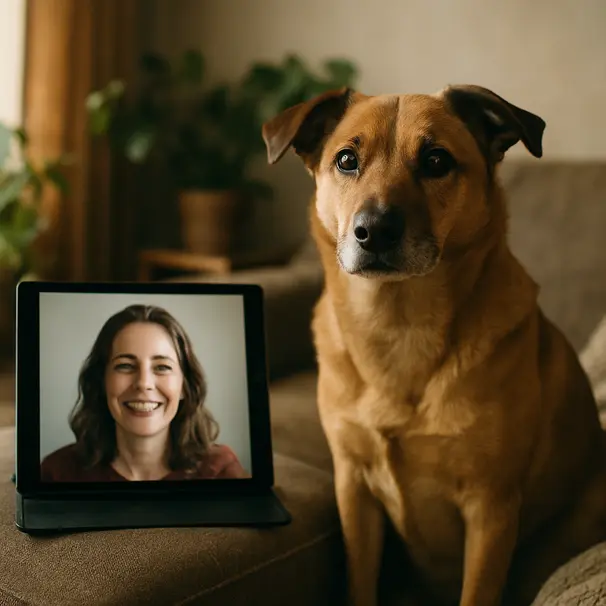
Can dogs recognise us on phones?
If you’ve ever popped up on a video call and your dog suddenly stares at the screen, tilts their head, or starts barking, you’re not alone. Lots of pet owners and carers wonder whether dogs actually recognise the person on the other end of the phone, or whether it’s just the movement and sound that gets them excited. The short answer is: sometimes, and it depends on what you mean by “recognise.” This article walks through how dogs sense the world, what they pick up from phones, and practical tips for making video chats enjoyable and calming for your pup.
How dogs experience the world
Before we decide if a dog recognises someone on a screen, it helps to remember how dogs sense things differently from humans.
Vision: Dogs see fewer colours than we do, and their visual acuity is lower. They notice movement and contrast more than fine facial detail. Screens can look different to dogs because of refresh rates and glare.
Hearing: Canine hearing is very sensitive and tuned to higher frequencies. Your voice coming from a phone can be clearer to a dog than a still image.
Smell: This is the big one. Dogs rely heavily on scent to identify people. A picture or a voice on a phone doesn’t carry your smell, so that important layer of recognition is missing.
So recognition can happen through multiple senses for dogs, but phones mainly provide visual and auditory cues, not scent.
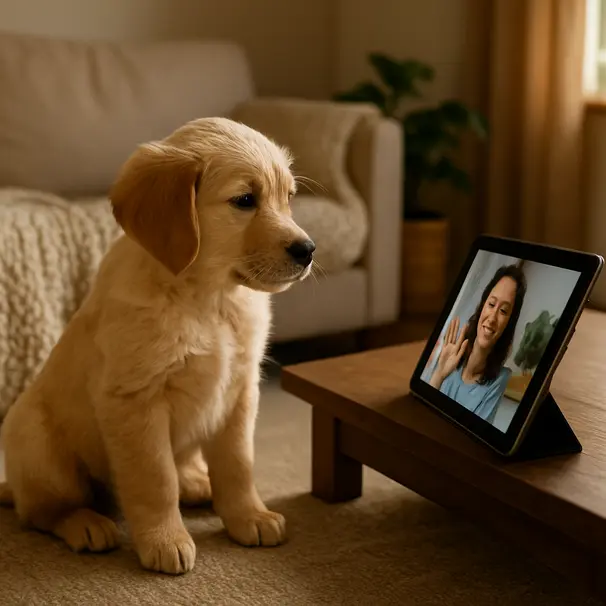
Why that matters
Because smell is so central, a dog’s impression of you on a screen is incomplete. They might recognise the rhythm of your speech, your laugh, or visual motion that looks familiar. But without scent, many dogs treat the screen as something interesting rather than as the full presence of their person.
What dogs notice on phones: faces, motion, and voice
When dogs do respond to phones, it’s usually one or more of these cues:
Movement. Dogs are drawn to motion. If you wave, make broad gestures, or mouth words, that can catch their attention.
Voice. A familiar voice can trigger recognition. Dogs can learn to associate a particular voice with their owner, even when it comes from a speaker.
Tone and pitch. A playful, high-pitched voice will grab attention. A calm, low voice can soothe more than an animated one.
Context. If video calls often happen before feeding time or play, your dog may link the phone to good things and react eagerly.
That combination explains why some dogs happily wag at a tablet while others barely glance up.
Can they recognise your face on a screen?
Faces on screens are tricky for dogs. Humans are finely tuned for facial recognition and teaching the brain to piece together static cues. Dogs are more tuned to whole-body cues, scent, and movement.
A dog may notice familiar features in a photo or video — the shape of your face, your hair, or the way you smile — but they may not identify that image as “you” in the same way a person would. For many dogs, the voice is the stronger signal. If your dog lights up when they hear you, that’s a good sign they’re recognising you through sound more than sight.
Why some dogs react strongly and others don’t
Individual differences matter a lot. Breed, age, early socialisation, and experience with screens affect how a dog responds.
- Young dogs may be curious about anything new, including screens.
- Seniors might pay less attention to screens if their hearing or vision has declined.
- Dogs with strong bonds to an owner and a history of interacting on video may make the connection more easily.
- Some dogs are simply more food- or toy-motivated, and they’ll react when they expect interaction.
So don’t worry if your dog seems uninterested. It’s perfectly normal.
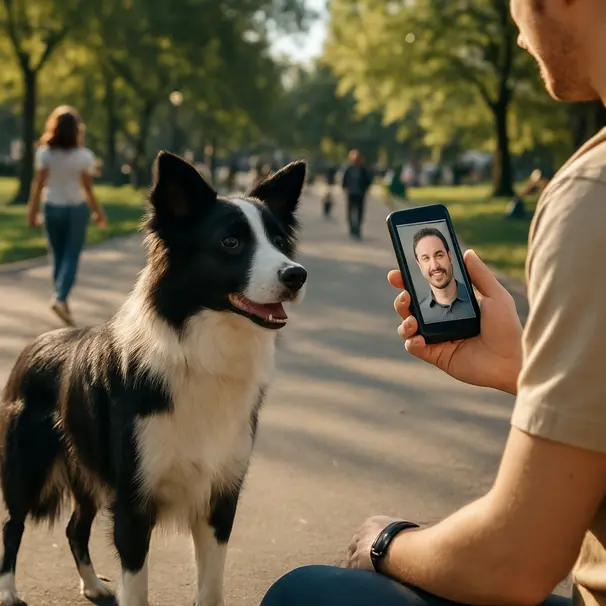
Real-life video call behaviours and what they mean
Here are some common reactions and what they suggest:
- Tail wagging or quick approach: Your dog is curious and often happy to engage.
- Barking or growling: Could be excitement, frustration, or confusion. Check the tone of the call and the dog’s body language.
- Sniffing at the screen or phone: They’re trying to add scent to the experience and explore.
- Ignoring the device: The absence of smell makes the phone less meaningful.
If a dog becomes anxious or frustrated, it’s a sign to end the session or change your approach.
Tips for owners and pet carers using phones with dogs
If you want video calls to be a positive experience for your dog, try these practical steps.
- Keep it short and sweet
Dogs have limited attention spans for screens. Aim for short sessions, especially at first. A minute or two can be plenty.
- Use your voice, not just your face
Talk in a warm, familiar tone. Call your dog’s name and use cues they know. Often the voice is the strongest bridge.
- Pair the call with a treat or toy
If possible, ask the person who’s with the dog to give a treat or toss a toy while you’re on screen. That helps the dog build a positive connection between the call and something rewarding.
- Avoid sudden loud noises
Keep volume moderate. Sudden loud sounds from notifications or echoing speakers might startle your dog.
- Make your image dynamic
Small movements and clear gestures help. Wave, smile, and keep your face clearly lit so the dog can pick up motion and contrast.
- Respect their boundaries
If your dog looks away, paces, or seems stressed, end the call or switch to a calmer approach. Not every pup will enjoy screen time.
- Use photos sparingly
Printed photos placed near the dog’s area can sometimes help, because they don’t flicker and a familiar person can become associated with a smell placed by the owner. But remember that scent is still missing.
Training-like activities to build recognition
With patience, you can help your dog form a stronger association with screen calls.
- Start small: Play a short recording of your voice and immediately reward the dog with a treat. Repeat daily in short sessions.
- Add visual cues: Show a brief video clip of you waving, then reward. Keep sessions under a minute to avoid boredom.
- Make it a game: Teach a call-and-response, for example, “Where’s Mum?” and when your dog looks at the device, mark and reward.
These low-pressure, repeatable steps may help a dog connect the voice and image with positive outcomes.
For carers: using phones to reassure pets in your care
If you’re a pet carer looking after a dog while their owner is away, phones can be a useful tool.
- Coordinate with owners: Ask the owner what cues calm the dog, and whether they want to call for brief check-ins.
- Keep calls predictable: A short, scheduled call might reassure a dog more than an unpredictable one.
- Combine calls with routine: If the owner’s voice often signals walk time or meals, try to mimic that routine around the call so the dog isn’t left frustrated.
Always be honest with the owner about how the dog responds, and suggest adjustments if calls seem to cause agitation.
When to get extra help
If a dog reacts with persistent anxiety, destructive behaviour, or intense barking around screens or calls, consider consulting a professional. A certified trainer or behaviourist can help you read the dog’s body language and design a plan. If you’re worried about sudden changes in behaviour, consider checking with a vet to rule out underlying causes.
Use cautious wording here: a vet may be helpful to rule out medical issues that change a dog’s responses.
Practical do’s and don’ts
Do:
- Keep sessions short and positive.
- Use familiar voices and calm tones.
- Pair calls with treats or play when possible.
- Watch the dog’s body language closely.
Don’t:
- Force the dog to watch the screen.
- Use loud or abrupt noises in calls.
- Expect every dog to understand the screen as “you.”
A gentle reality check
Phones can be a lovely way to maintain bonds, especially for long-distance owners. But remember that a call will usually provide just two of the three main recognition channels: sight and sound. The smell is missing, and that matters. For many dogs, a video call is a comforting glimpse rather than a full reunion.
The goal is less about perfect recognition and more about making the interaction pleasant. If your dog perks up, enjoys the sound of your voice, or calms when they hear you, that’s a lovely success.
Final thoughts
So can dogs recognise us on phones? They may recognise parts of you. Your voice often carries the strongest signal. Movement and facial features can help, and training and pairing calls with rewards may strengthen the connection. But scent remains central for dogs, so screen interactions should be treated as a supplement to real-life time together.
Whether you’re an owner trying to keep your dog company from a distance, or a pet carer helping a pup through a lonely afternoon, approach phone interactions with patience and a sprinkle of creativity. Keep it simple, keep it positive, and remember that even a brief, friendly “hello” can mean a lot to a dog who loves you.