


Can dogs sense human emotions? Yes — here’s how
If you’ve ever cried on the sofa and felt a warm snout on your knee, you probably already have your answer. Dogs seem to know when we’re happy, sad, anxious or excited. But it isn’t magic. It’s a mix of sharp senses, social bonding and a lot of experience reading us. This guide breaks down how dogs pick up our feelings, what that looks like in daily life, and practical steps pet owners and carers can use to help anxious or emotional dogs and humans alike.
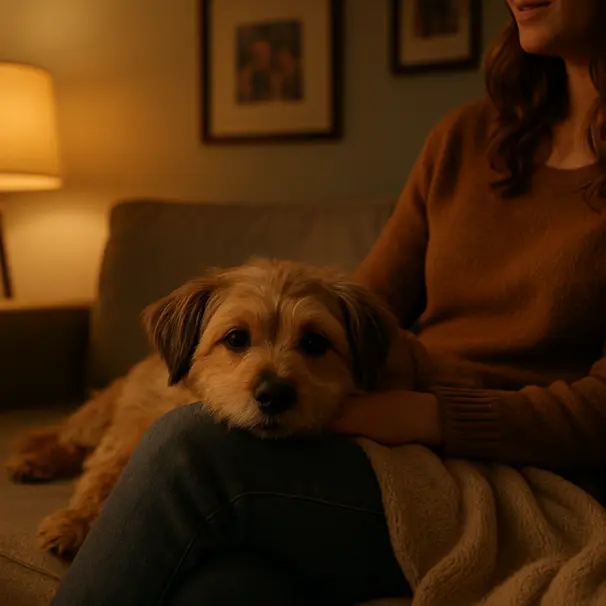
The senses behind the sensing
Dogs don’t read our minds. Instead, they gather information through the senses and through learning. Three big pieces of the puzzle are scent, sound and body language. Add time together and a dog learns patterns — what trembling hands or a flat voice often mean — and responds accordingly.
Smell: a powerful emotional radar
A dog’s nose is the superstar here. Our bodies change chemically when we feel different emotions. Sweat, breath and tiny skin compounds shift when someone is stressed, scared or joyful. Dogs can detect those changes and may react before we even speak.
This doesn’t mean every dog will spring into action at the first sign of worry. Breed differences, individual temperament and past experience shape how strongly a dog reacts. Some dogs become alert and watchful; others move in for comfort. Either way, scent gives dogs an early and reliable clue about our emotional state.
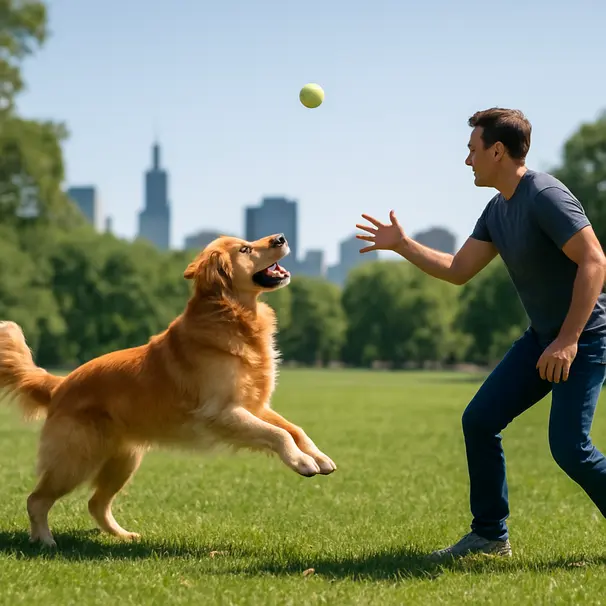
Voice and tone: the human mood in sound
Dogs are incredibly tuned to the human voice. High-pitched, sing-song tones usually get quick attention. Low, flat tones often signal something’s wrong. Dogs pay attention to rhythm, volume and pitch, and can associate a particular tone of voice with outcomes. Cheerful voices might mean play or rewards, while urgent or anxious tones can make a dog alert or worried.
Because of this, the way you speak during stressful moments can influence a dog’s reaction. A calm, steady voice may help soothe a dog that’s already keyed up.
Reading faces and bodies
Dogs study our faces just like we study theirs. Eye contact, facial expression and posture give clear cues. A furrowed brow, shallow breathing, clenched jaw, or hunched shoulders tell a dog that something’s off. Many dogs respond with proximity-seeking behavior, gentle nudges, or attempts to distract us with play.
Body language also includes small things: a hand moving faster than usual, pacing, and even the smell of someone’s breath after heavy breathing. Dogs are often quicker than we are at noticing these differences.
The role of hormones and bonding
When people and their dogs interact positively — think cuddles, play, or a relaxed walk — both can release oxytocin, sometimes called the bonding hormone. This hormone may strengthen the emotional connection between dog and human and encourage caring behaviors.
On the flip side, stress hormones like cortisol can travel through the home environment. If a household member is consistently anxious, dogs living there can show increased vigilance, restlessness, or clinginess. This is why routines, calm handling, and predictable care can make a big difference.
Learning and context: dogs use memory
Dogs are excellent at connecting cause and effect. If a dog learns that a crying human often gives treats, cuddles or a walk, the dog might approach when they hear crying. Past experiences shape how a dog responds to emotional cues, so someone who has helped many people in distress may become especially good at recognizing those moments.
Carers who spend time with multiple families also pick up patterns. You’ll notice some dogs act immediately to comfort, while others withdraw until they’re sure what’s safe.
How dogs typically show they notice your feelings
Here are common behaviors you might see when a dog notices a change in your mood:
- Moving closer and leaning on you
- Resting their head on your lap or feet
- Licking your hands or face gently
- Bringing a toy or nudging you to play
- Alert posture, watching you closely
- Restlessness or pacing if they sense agitation
- Avoidance, if they feel overwhelmed or unsure
None of these are guarantees of emotional telepathy. They are sensible, observable reactions to cues dogs pick up from the environment.
Practical tips for pet owners and carers
Whether you’re a pet parent or a trusted carer, your response matters. Here are gentle, practical strategies to help dogs and people feel safer and more connected.
For calming a dog when you’re upset
- Breathe and ground yourself first. Dogs can mirror tension, so taking a moment to breathe slowly may help both of you feel steadier.
- Offer a safe place. Some dogs prefer space rather than attention. Provide a comfy bed or crate with familiar toys and let them choose.
- Gentle touch works wonders. Slow petting along the chest or shoulders, not over the head, often soothes. Watch the dog’s signals and stop if they tense.
- Use a calm, low voice. Reassuring words spoken steadily can reduce arousal.
- Redirect to a routine. A short walk, chewing toy, or a calm training session can shift focus and reset energy.
When the dog picks up on someone else’s emotion
- Ask permission before interacting. If someone is grieving or anxious, check if they want the dog’s company.
- Let the dog approach. More forceful closeness can overwhelm both the person and the dog.
- Use distraction for overstimulation. If the dog becomes too excited, remove the trigger gently and offer an alternate activity.
Training and socialization to help emotional sensitivity
You can help a dog become a thoughtful, confident companion by teaching simple skills and building exposure gradually.
- Teach “settle” and “place” so the dog learns to relax on cue.
- Use positive reinforcement to reward calm behavior in emotional situations.
- Practice short, supervised visits with different people and mild emotional cues, like a pretend crying sound, paired with treats and calm reassurance.
If a dog’s reactions are intense, like persistent agitation, fear or aggressive responses around emotional cues, consider consulting a professional trainer or a certified animal behaviorist. They can help design a behaviour plan that’s gentle and effective.
When to talk to a vet or behaviorist
Most dogs reacting to human emotion is normal and harmless. However, talk with a vet if you notice sudden changes in behavior, signs of anxiety that interfere with daily life, or if the dog’s response could put people or other animals at risk. Mention how the dog responds to emotional situations, any changes in routine, and health history.
A veterinary check can rule out medical causes for behavior shifts. A behaviorist can then help with training strategies tailored to the dog’s personality and the household’s needs.
Practical scenarios and what to do
Someone is crying in the living room: Offer a soft bed nearby and speak calmly. Let the dog decide to come close. Avoid forcing interaction.
A guest is nervous around dogs: Ask the guest what they prefer. Keep the dog on a loose lead, offer treats for calm behavior, and avoid overwhelming the guest with direct approaches.
During a storm or loud noises: Dogs often tune into our own anxiety. Keep your tone even, create a quiet den with familiar items, and use enrichment like long-lasting chews to focus their energy.
A child is upset: Supervise closely. Teach the child gentle touch and give the dog an easy escape route. Encourage calm interaction rather than excited play.
For pet carers: tips for building trust quickly
As a pet carer, you may meet new dogs often. Building trust fast helps both the dog and the owner feel comfortable.
- Move slowly and sit at the dog’s level if possible.
- Offer a hand palm-down to sniff before initiating touch.
- Watch for calming signals: yawns, lip-licking, shifted gaze. Respect them.
- Keep initial interactions short and positive; extend time as the dog relaxes.
- Ask owners about routines and emotional triggers. Stick to those patterns during your care visit.
The emotional gift dogs give us
Dogs aren’t mind readers, but they are remarkable social partners. They combine sharp senses with a lifetime of learning and a real desire to be near their people. That combination lets them respond to our moods in ways that feel intuitive and comforting.
Being aware of how dogs sense emotion helps you care for them with empathy. It also means remembering that dogs, like people, have limits. Some will be natural comforters, others will need space. The kinder and more consistent we are, the more confident and gentle they can be in return.

Final thoughts
Next time your dog leans in while you’re sad or stares happily when you grin, take a moment to notice what they’re picking up. Respond with calm, predictable care. Offer a safe space, steady voice, and gentle touch if they want it. If things feel out of the ordinary, reach out to a vet or behavior specialist for guidance. Above all, enjoy the quiet, ordinary friendship — that close, furry attention is one of the best parts of sharing life with a dog.