


Short answer: tread carefully, and check with a vet
It’s tempting to hand over a chewable gummy or a multivitamin when your dog seems under the weather, or to boost the diet of a picky eater. Human vitamins, though, aren’t a one-size-fits-all solution for our furry friends. Dogs have different nutritional needs, and some ingredients, doses, or additives that are harmless for people can be harmful, or even toxic, to dogs. Consider human vitamins as something to discuss with your veterinarian before giving them to your dog.
Why human vitamins can be risky for dogs
Dogs process nutrients differently from humans. Their bodies need different amounts of vitamins and minerals, and giving the wrong type or dose can create problems. A few key concerns:
- Overdose risk, especially with fat-soluble vitamins. Vitamins A and D build up in the body, and excess amounts can cause serious issues. Small dogs are especially vulnerable because a human dose might be several times what they need.
- Dangerous additives. Some chewables and gummies contain xylitol, a sugar substitute, which is highly toxic to dogs. Flavourings and sweeteners may also upset digestion or be unsafe.
- Unbalanced ratios. Multivitamin formulas for people often have nutrients in proportions that don’t match canine requirements, which can interfere with absorption of other nutrients.
- Underlying problems masked. Giving vitamins without checking why your dog is losing weight or has dull fur could delay proper diagnosis of conditions like thyroid disease, malabsorption, or dental issues.
Signs that something might be wrong after a pet swallows human vitamins include vomiting, diarrhoea, lethargy, excessive thirst, tremors, or seizures. If your dog gets into a bottle, call your vet or your local poison control right away, especially if the product contains xylitol or iron.
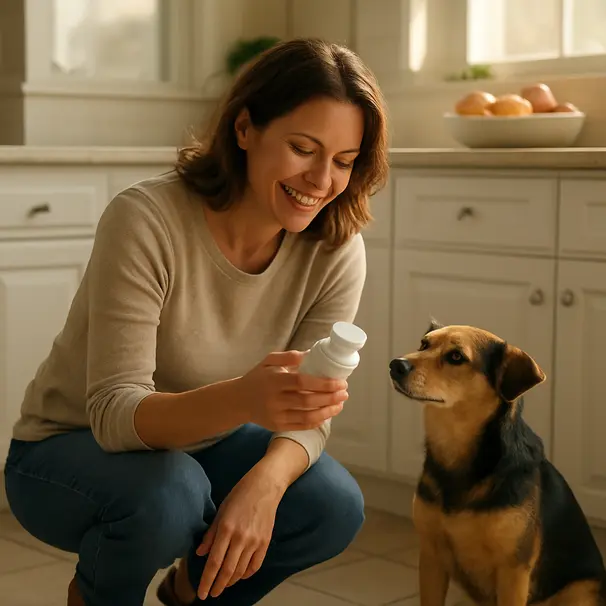
Common human vitamins and what they mean for dogs
Here’s a practical look at some types of human vitamins you might have in the medicine cabinet, and what to watch for.
Multivitamins
What they are: A mix of vitamins and minerals targeted to human needs. Many are made for adults, seniors, or children.
Considerations: Multivitamins can contain iron, vitamin D, and other nutrients at levels that are unnecessary or unsafe for dogs. Unless a vet tests and recommends a specific multivitamin for a diagnosed deficiency, avoid giving human multis to dogs.
Vitamin A and Vitamin D
What they are: Fat-soluble vitamins stored in the body.
Considerations: Dogs can develop toxicity if they receive too much vitamin A or D. Signs of excess include vomiting, loss of appetite, increased thirst and urination, and weakness. Stay cautious and follow a vet’s advice before supplementing.
Iron
What it is: A mineral used in many multivitamins and standalone supplements.
Considerations: Iron tablets can be very dangerous, especially for small dogs and puppies. Iron toxicity can cause gastrointestinal injury, organ damage, and can be life-threatening. Keep iron supplements well out of reach and seek immediate help if ingested.
B vitamins and vitamin C
What they are: Water-soluble vitamins that dogs can tolerate in reasonable amounts.
Considerations: B vitamins are often used in canine formulations and may be recommended for certain conditions, but doses should be appropriate for the dog’s size and health. Dogs can produce some vitamin C naturally, so routine supplementation isn’t usually necessary.
Calcium
What it is: A mineral important for bones and teeth.
Considerations: Too much calcium, especially in growing large-breed puppies, may lead to skeletal problems. Calcium-containing human supplements should only be given under veterinary advice.
Gummies and chewables
What they are: Palatable, candy-like supplements.
Considerations: These are popular with humans, but they often contain sugars, flavourings, and xylitol, which can be toxic to dogs. Even if a gummy doesn’t have xylitol, the dosage per candy may be far too high for a small dog.
What might be safe, and what to discuss with your vet
Some ingredients commonly used in supplements for dogs have evidence and are included in dog-specific formulations. But always consult your veterinarian before starting anything.
- Omega-3 fatty acids (fish oil): May help skin and coat, and support joint health. Dosing should match body weight, and the product should be free from contaminants like heavy metals.
- Glucosamine and chondroitin: Often used for joint support in older dogs. Quality and dosing matter, and a vet can advise about interactions with other medications.
- Probiotics: Can help with digestive upset in some situations. Choose strains and products intended for dogs when possible.
Even when an ingredient can help, the product should be appropriate for animals, and the vet should confirm the right dose and duration.

How to safely approach vitamins for your dog
If you think your dog may benefit from supplementation, use these practical steps:
- Get a checkup first. Talk with your veterinarian about signs you’ve noticed. They may suggest bloodwork to identify deficiencies or underlying health issues.
- Choose dog-specific products. Supplements formulated for dogs have doses and ingredient choices tailored to canine physiology.
- Read labels carefully. Avoid products with xylitol, excessive iron, or unrecognisable additives. Look for reputable brands with transparent sourcing and third-party testing if possible.
- Follow dosing by weight. Don’t guess; small dogs can be harmed by adult human doses. Your vet can help calculate the right amount.
- Introduce one product at a time. Give a new supplement for a few weeks and watch for any changes in appetite, stool, behaviour, or energy.
- Keep supplements out of reach. Store them securely to prevent accidental ingestion by curious dogs—or children.
Practical tips for picky eaters
If the reason you’re considering vitamins is a picky eater or a dog that isn’t gaining weight, try these low-risk approaches first:
- Offer short, supervised mealtime variety, such as warming wet food to bring out aromas.
- Mix a small amount of cooked lean protein or plain canned pumpkin into meals for a palatable boost, after confirming these options are safe for your dog.
- Feed smaller, more frequent meals to stimulate appetite.
- Rule out dental pain or gastrointestinal issues with a vet exam.
Supplements can sometimes be part of the solution, but they shouldn’t replace a balanced diet or medical care.
What to do if your dog eats human vitamins
If your dog swallows human vitamins, act quickly:
- Check the product label. Note the active ingredients, number of pills missing, and the presence of xylitol or iron.
- Call your veterinarian or an emergency clinic right away. If you’re in the United States, you can also call the ASPCA Animal Poison Control Center at 888-426-4435 for guidance. There may be a consultation fee.
- Watch your dog for symptoms such as vomiting, drooling, tremors, collapse, or behavioural changes, and get veterinary care promptly if any occur.
Timing matters. Some toxicities progress quickly, so prompt professional advice can make a big difference.
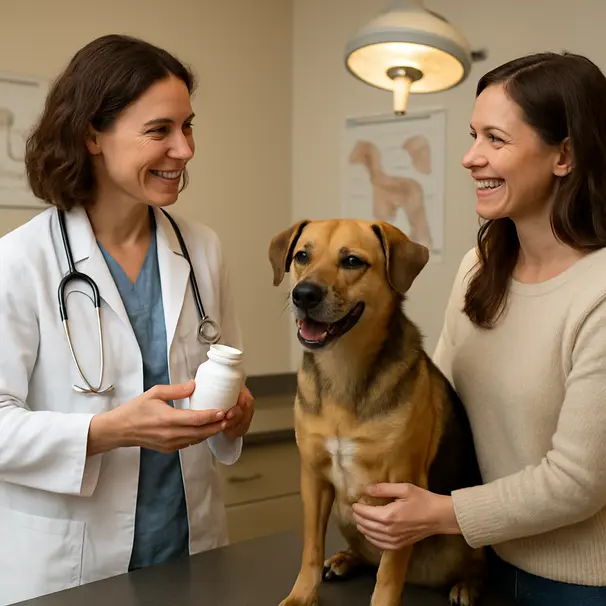
Extra considerations for life stages and breeds
Puppies, seniors, pregnant dogs, and certain breeds can have unique nutrient needs or sensitivities. For instance:
- Growing large-breed puppies need carefully balanced calcium and phosphorus. Too much supplemental calcium can harm their bone development.
- Senior dogs with kidney disease may need dietary adjustments and should avoid certain supplements without veterinary oversight.
- Dogs with chronic conditions or on medications may face interactions; your vet can advise on safe choices.
A tailored plan based on age, breed, and health status is better than a generic supplement handed out of habit.
Choosing a trustworthy supplement
If your vet recommends a supplement, consider these practical markers of quality:
- Transparent ingredient lists with amounts per serving.
- Manufacturer that publishes testing for contaminants or potency.
- Positive veterinary or consumer feedback, not just fancy packaging.
- Single-ingredient products when possible, which make dosing simpler.
You don’t need to chase expensive brands. Look for safety, clarity, and a recommendation from a trusted professional.
Final checklist for pet owners
- Don’t give human multivitamins to dogs without vet approval.
- Keep human supplements, especially gummies and iron, out of reach.
- Ask your vet for testing if you suspect a deficiency or health issue.
- Use dog-specific formulations and dose by weight.
- Monitor your dog closely after starting any new supplement.
Bottom line
Your instincts to help your dog are wonderful, and a supplement can sometimes make sense. Still, consider human vitamins a red flag until you’ve had a vet conversation. A tailored, professional approach keeps your dog safe and gets to the real reason behind symptoms like poor coat, low energy, or appetite changes. With a vet’s guidance, you can find safe, practical ways to support your dog’s health that include diet, exercise, and, when appropriate, the right supplements.
If you’re unsure, schedule a quick check-in with your vet. A short visit or phone call can save worry and keep your companion healthy and happy.
Thanks for looking out for your floofy friend, and may your home be full of wagging tails and safe, well-stored vitamins.