

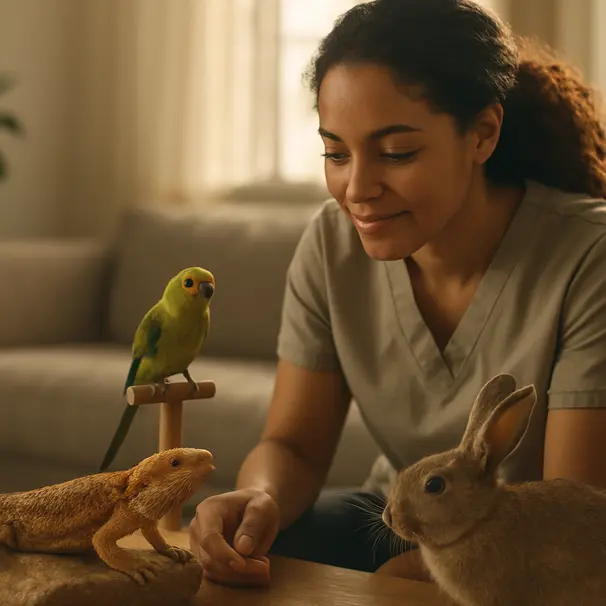
Care Guide for Exotic Pets: Species-Specific Tips for Pet Carers
Exotic pets bring surprising personalities, unusual needs, and a lot of joy. For pet owners and carers, the promise of feathered chatter, slow reptile blinks, or a curious hermit crab can be delightfully different from dog or cat routines. This guide is made to help carers step in with confidence, respect, and a few handy tricks to keep each species comfortable and safe.
Why species-specific care matters
Exotics are a broad bunch. A rabbit’s social needs and a ball python’s temperature needs don’t overlap much. Small oversights can cause stress or discomfort, so learning the basics for each species helps carers provide reliable day-to-day support.
General caring principles for all exotic pets
- Communication: Ask the owner for a written care plan with daily routines, favorite foods, and emergency contacts. Confirm any rules about handling, out-of-enclosure time, and interactions.
- Consistency: Keep feeding times, light cycles and temperature routines close to what the pet is used to. Familiar rhythms reduce stress.
- Safety first: Learn enclosure locks, heating device placements, and how to safely move a tank, cage or habitat. Keep cleaning products and strong-smelling substances away.
- Observe and log: Jot down appetite, waste, activity levels, and unusual behavior. These notes help owners and vets spot changes early.
- Ask questions: If something feels off, contact the owner and suggest vets when appropriate. Encourage professional advice rather than guessing.
Reptiles: heat, hides and gentle handling
Reptiles often worry carers because they seem calm but are sensitive to environmental changes.
Environment and temperature
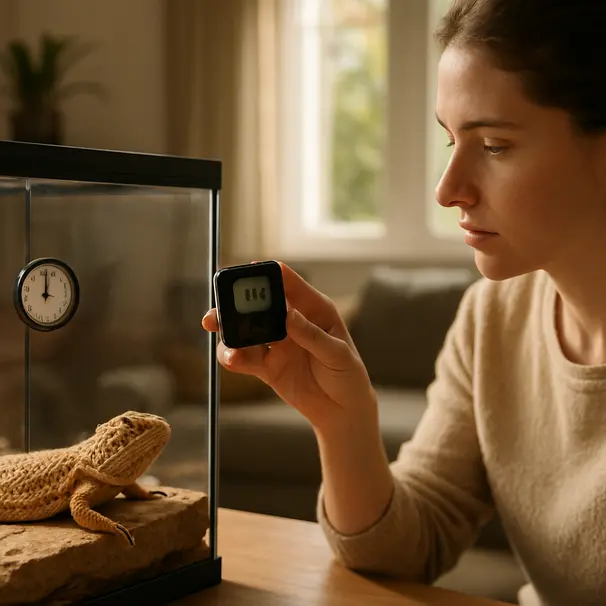
Most reptiles rely on external heat for digestion and activity. Confirm exact temperature gradients before you start. Use a reliable thermometer and keep basking and cool zones stable. Avoid moving heat sources around unless instructed.
Feeding and hydration
Many reptiles eat pre-killed prey, prepared diets, or fresh veggies. Follow the owner’s feeding schedule exactly. Some species get stressed by frequent handling while eating, so observe from a distance unless the owner says otherwise.
Handling and body language
Bearded dragons often tolerate handling and may show curiosity. Snakes such as ball pythons can be shy, preferring calm, slow movements. Support the body fully and don’t grab the head. If a reptile hisses, hides, or refuses food, give space.
Tips for carers:
- Move slowly, keep hands warm, and avoid quick overhead motions.
- If transferring a reptile between tanks, use appropriate containers and keep them covered if they prefer dark, secure spaces.
Birds: noise, enrichment and social bonds
Birds are social and often vocal. They may form strong attachments and react emotionally to changes in routine.
Daily care and enrichment
Offer stimulation through toys, foraging opportunities, and safe out-of-cage time if the owner allows. Rotate toys so things stay interesting. Fresh water is essential and should be changed daily.
Handling and stress signals
Look for body language: fluffed feathers, pupil dilation, staring, or repetitive movements can signal stress. Talk gently, move calmly, and approach from the side rather than above. If a bird is clipped or flighted, verify what the owner permits for out-and-about time.
Feeding specifics
Seeds, pellets, fresh fruits and veggies may all be part of the diet. Remove cut fruits or veg after a few hours to avoid spoilage. Some birds need calcium supplements or cuttlefish bone—check the owner’s notes.
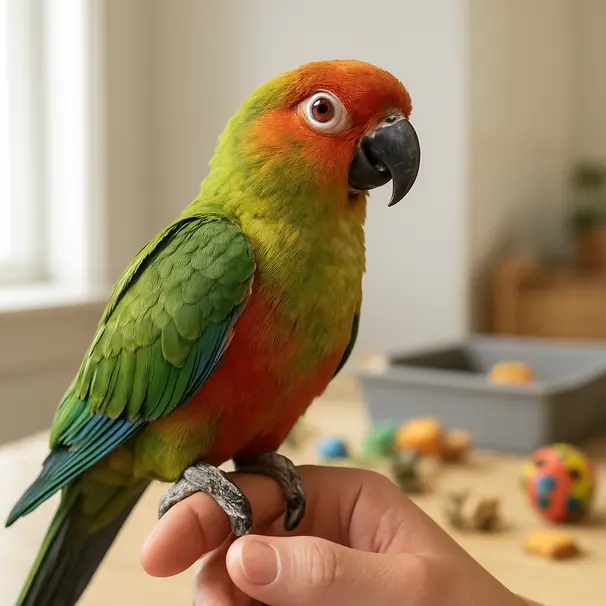
Carer tip: Let a bird step onto a finger willingly rather than forcing contact. Building trust is gradual and rewarding.
Small mammals: rabbits, guinea pigs and ferrets
Small mammals are often social and need daily interaction, cleaning, and mental stimulation.
Habitat and cleanliness
Spot-clean daily and fully clean bedding at the owner’s recommended schedule. Rabbits and guinea pigs may require hiding spots, chew toys, and regular dust-free hay. Ferrets are mischievous and need secure play areas; they can squeeze into small spaces.
Diet and digestion
Rabbits and guinea pigs need constant access to hay and specific veggies. Guinea pigs may need vitamin C supplements. Ferrets are obligate carnivores and need high-protein diets.
Handling and play
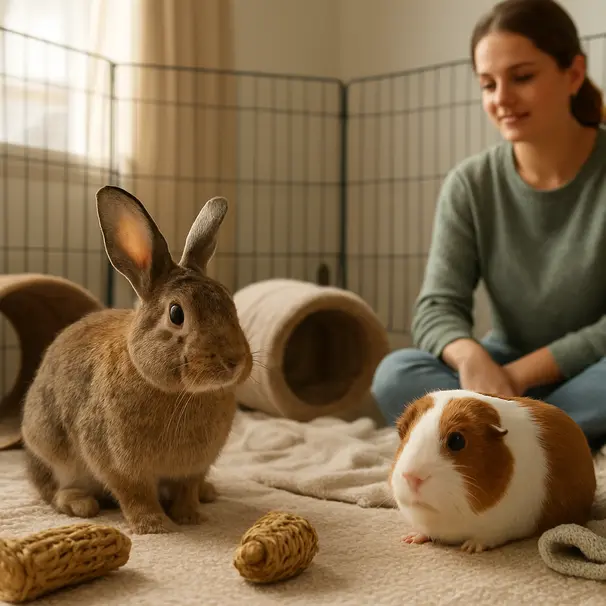
Support a small mammal’s body fully. Rabbits dislike being carried by the scruff and may kick; use a secure hold close to your chest. Ferrets often enjoy supervised play sessions and tunnels. Watch for signs of stress like teeth grinding, hunching, or hiding.
Amphibians and invertebrates: delicate but delightful
Frogs, salamanders, tarantulas and hermit crabs can be low-maintenance in some ways, but they have specific humidity, substrate, and handling rules.
Humidity and substrate
Many amphibians need high humidity and clean water. Hermit crabs favor both land and moist substrate. Always maintain recommended humidity levels and change water and substrate as the owner instructs.
Minimal handling
Most amphibians and many invertebrates are sensitive to oils on human skin and prefer minimal handling. Use clean, damp hands or tools if you must move them. For tarantulas, avoid unnecessary disturbance; admire from a safe distance.
Carer tip: If the owner asks you to handle an invertebrate, request specific instructions and practice with guidance first.
Health cues and emergency basics (non-medical guidance)
Being vigilant helps. These signs may suggest a pet needs owner attention or professional care:
- Appetite changes: sudden loss of interest in food.
- Lethargy: decreased movement or hiding more than usual.
- Abnormal waste: diarrhea, lack of droppings, or unusual color/consistency.
- Respiratory signs: wheezing, bubbling, or open-mouthed breathing in species that don’t normally do that.
- Skin or shell issues: unusual discoloration, shedding problems, or lesions.
If you notice any of the above, contact the owner immediately and encourage them to consult a vet. Use phrases like “I’ve noticed X” rather than diagnosing. Offer clear descriptions of what you observed and when.
Emergency kit basics for carers
Consider having a small kit with:
- Owner and vet contact details
- Small towels and secure transport containers
- Basic tools: tweezers, soft-bristled brush, gloves (if needed)
- Notebook to record observations
Do not attempt treatments beyond owner instructions. Suggest contacting a vet if signs are worrying.
Handling, hygiene and allergy considerations
Good hygiene protects both you and the animals. Wash hands before and after handling, and sanitize surfaces after habitat cleaning. Some exotic pets can carry zoonotic organisms, so be careful around cuts or open wounds.
If you or household members have allergies, discuss them with the owner before agreeing to care. Some birds, rodents and reptiles can exacerbate allergic reactions.
Enrichment ideas by species
- Reptiles: Create varied basking spots and hide boxes. Offer novel, safe textures to explore.
- Birds: Foraging toys, rotated perches and supervised mirror time (only if the owner says it’s okay).
- Small mammals: Toilet roll tubes, safe chew blocks, and short, supervised floor time in a secure room.
- Amphibians: Floating platforms, gentle water currents and humidity-safe hiding spots.
- Invertebrates: Climbing branches, varied substrates and safe decor for exploration.
Make enrichment predictable at first, then add subtle changes. Keep things safe and non-toxic.

Practical routines for carers: a checklist
Arrive and settle in:
- Review the owner’s written plan and any updates.
- Check temperatures, light timers and water levels.
- Note the pet’s position, activity and appetite.
During the visit:
- Follow feeding instructions exactly.
- Refill water and spot-clean enclosures.
- Spend brief bonding time if the pet enjoys handling.
- Rotate enrichment or change toys as instructed.
Before you leave:
- Secure all lids, locks and zippers.
- Leave a short note for the owner with observations and any changes.
- Make sure electrical devices are off or on timers as needed.
Building trust with exotic pets
Trust grows slowly. Approach at the pet’s pace and celebrate small wins. A bearded dragon that tolerates a hand on its back, or a budgie that eats from your finger, are both meaningful milestones. Give pets space after new experiences and keep interactions gentle.
Tips for new carers:
- Spend a few minutes quietly near the enclosure before attempting handling.
- Use soft voices and avoid sudden movements.
- Let the pet investigate you. If they show curiosity, that’s a good sign.
Communication with the owner
Clear, honest communication builds confidence. Confirm feeding times, out-of-enclosure rules, and whether guests or other pets are allowed. If anything unexpected occurs, report it promptly with clear details and photos if helpful.
Good note examples:
- “Ate morning portion, drank twice, very active at noon.”
- “Refused evening snack and spent time hiding under leaves.”
Final thoughts for caring with compassion
Exotic pets offer unique companionship and ask us to meet them on their terms. As a carer, your most valuable tools are observation, steady routines, and respect for the animal’s cues. Keep learning, ask questions, and lean on the owner and a vet when uncertain.
You don’t need to be an expert to be a great carer. You need patience, attentiveness, and a willingness to follow the pet’s plan. With these, you’ll help a wide range of species feel safe, comfortable and well loved while their owner is away.
Thanks for taking this role seriously. Your careful hands and calm presence matter to every tiny, scaled, feathered or furry heart you look after.