


Welcome to Better Dog Care
Whether you’re a new dog parent or an experienced carer, keeping a dog healthy and happy is part routine, part detective work, and a whole lot of heart. This guide shares warm, practical tips you can use every day. Consider these suggestions as friendly reminders rather than strict rules; every dog is unique and may prefer different routines. When in doubt about health, behavior, or diet, consult a veterinarian or a trusted professional carer.
Daily Basics: Food, Water, and Rest
Feeding with Confidence
Good nutrition is the foundation of a healthy dog. Choose a high-quality dog food appropriate for your dog’s life stage, size, and activity level. You may find it helpful to read ingredient lists and look for brands that prioritize whole proteins and minimize fillers. Measure portions to prevent overfeeding, and establish consistent mealtimes to support digestion and routine.
Hydration Is Non-Negotiable
Always keep fresh water available. Dogs can dehydrate quickly, especially in warm weather or after vigorous play. Consider carrying a collapsible water bowl on walks or using a pet fountain at home to encourage sipping throughout the day.
Rest and Safe Spaces
Dogs need predictable downtime. Provide a quiet, comfortable bed or crate where your dog can relax undisturbed. Crate training can offer dogs a safe retreat and may help with house training and travel. Let your pup decide when to nap, but keep rest spaces free from drafts and hazards.
Exercise and Mental Stimulation
Daily Movement
Most dogs benefit from daily exercise that matches their breed and energy level. Walks are great for physical fitness and sniff-based enrichment. If your dog loves to run, consider safe off-leash spaces or controlled fetch sessions. Short, frequent bursts of activity can be more manageable than one long session for some dogs.
Play That Builds Bonding
Play can be a workout and relationship builder. Tug-of-war, fetch, hide-and-seek, and puzzle toys can help burn energy while strengthening trust. Rotate toys to keep playtime fresh and interesting.
Mental Workouts
Mental enrichment can be as tiring as physical exercise. Use food-dispensing toys, scent games, or simple training tasks to challenge your dog’s brain. Mental stimulation may reduce boredom-related behaviors and can be especially helpful on rainy days or when outdoor time is limited.
Training and Behavior
Positive, Consistent Training
Positive reinforcement—praise, treats, or play—tends to be the most effective and kind approach. Keep training sessions short and regular, focusing on one skill at a time. Clear cues, consistency across family members, and timely rewards help your dog learn what you expect.
Addressing Unwanted Behaviors
Redirecting is usually kinder than punishing. If your dog jumps up or chews inappropriate items, offer an acceptable alternative and reward that behavior. Consider consulting a professional trainer or behaviorist for persistent issues like aggression, separation anxiety, or extreme fear. These experts can help create safe, practical plans tailored to your dog’s needs.
Grooming and Hygiene
Regular grooming keeps your dog comfortable and can prevent small problems from becoming big ones. Grooming sessions are also excellent bonding opportunities.
Coat Care
Brush your dog according to their coat type. Short-haired breeds might need weekly brushing, while long- or double-coated dogs can benefit from daily brushing to prevent mats. Bathing frequency depends on lifestyle and coat type; too-frequent baths can dry out skin, so consider bathing only when your dog is noticeably dirty or smelly.
Nail, Ear, and Dental Care
Trim nails regularly to prevent splitting or discomfort. Check ears for redness, wax buildup, or odors and clean gently when needed. Dental care can help prevent tartar buildup and keep breath fresher; brush teeth with dog-safe toothpaste or use dental chews and toys. If you notice persistent issues, consult your veterinarian for advice and professional cleaning options.

Dog being groomed gently at home.
Health Checkups and Preventive Care
Routine veterinary care helps catch concerns early. Schedule regular checkups and keep vaccinations, parasite prevention, and dental exams up to date. Preventive care can help manage risk but is not a guarantee against illness; if your dog behaves unusually—changes in appetite, energy, bathroom habits, or mood—reach out to a vet.
Recognizing Signs That Need Attention
Watch for limping, persistent coughing, vomiting, diarrhea, sudden weight changes, or behavioral shifts. These signs may indicate an underlying issue. When you’re unsure, it’s better to check sooner rather than later.
Senior Dog Care
Older dogs often need gentler exercise, tailored nutrition, and more frequent health checks. Adjust routines to accommodate arthritis, vision changes, or cognitive shifts. Small changes like non-slip rugs, ramps, or softer bedding can improve comfort and mobility.
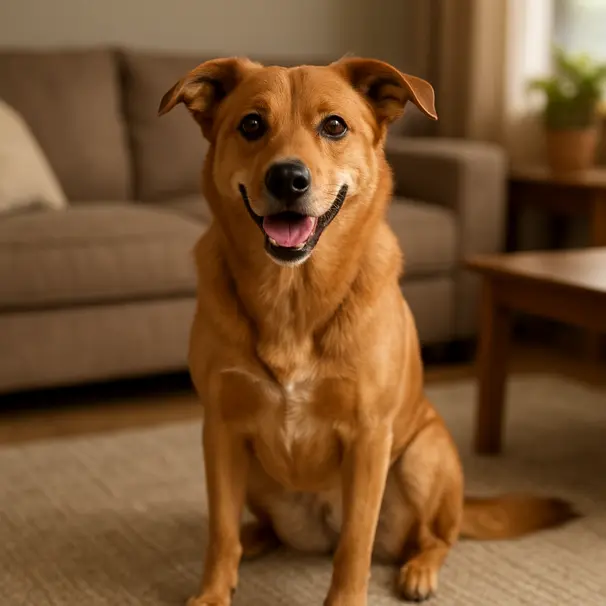
Dog playing outdoors with owner.
Safety Around the Home and Outdoors
Dog-Proofing Your Space
Keep toxic foods, certain plants, and small objects out of reach. Secure trash cans, fasten cords, and store cleaning supplies safely. Consider gates to limit access to risky areas and keep household routines consistent so your dog knows where they belong.
Walk Safety and ID
Use a comfortable, well-fitting collar or harness with an ID tag that includes your contact details. Microchipping is an extra step that can increase the chance of reunion if your dog gets lost. On walks, keep your dog leashed unless you’re in a designated off-leash area and confident in recall skills.
Travel, Boarding, and Finding Trusted Carers
Preparing for Travel
Introduce your dog to crates or carriers gradually so travel is less stressful. Bring familiar bedding, water, and favorite toys. Keep a basic travel kit with food, a bowl, poop bags, medications, and vaccination records.
Choosing Boarding or a Dog Carer
When you can’t bring your dog, finding a trusted carer is key. Look for carers or sitters who provide references, clear communication, and a care plan that aligns with your dog’s routine. Meet potential carers in advance and share important details like feeding schedules, medical needs, and favorite calming techniques. If you use a platform like Floofy, read reviews and ask for trial visits to ensure a good match.
Bonding and Emotional Wellbeing
Everyday Rituals That Build Trust
Small routines—morning scratches, a consistent walk time, or a calm goodnight—help your dog feel secure. Pay attention to subtle signals like body language and tail position to meet your dog’s emotional needs. Simple rituals create predictability and deepen your bond.
Enrichment That Speaks to Their Pack Instincts
Feeding from puzzle toys, short training games, or scent trails can satisfy natural instincts and prevent boredom. Try rotating enrichment activities so your dog always has something novel to look forward to.
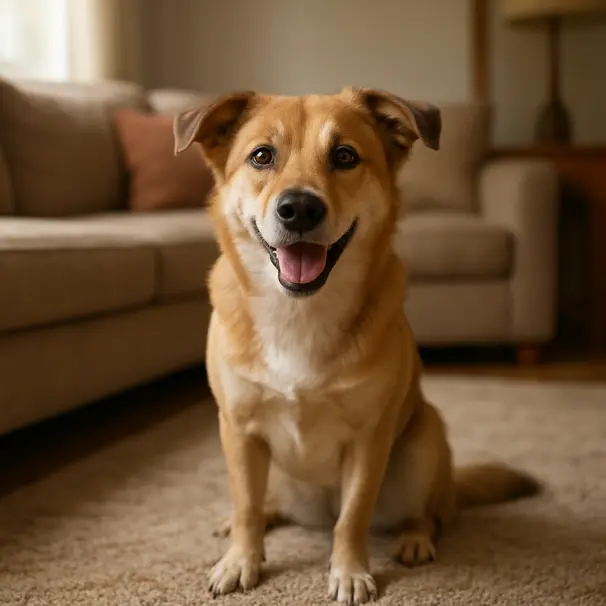
Dog and owner sharing quiet bonding time.
Practical Checklists and Quick Tips
Daily Checklist
- Fresh water available all day.
- Measured meals at consistent times.
- Physical exercise and at least one play session.
- Short training or enrichment activity (5-15 minutes).
- Quick health glance: eyes, nose, coat, mobility.
Weekly Checklist
- Brush coat and check for mats or ticks.
- Clean ears if needed and wipe paws after walks.
- Trim nails or schedule grooming if due.
Monthly Checklist
- Flea, tick, and parasite prevention as recommended.
- Rotate toys and check for broken items.
- Weigh your dog or compare body condition against healthy standards.
When to Call a Professional
Consider reaching out to a vet for sudden changes in behavior, chronic issues, or anything that worries you. Trainers or behaviorists can help with persistent training challenges. Trusted carers can provide regular updates and maintain routines when you’re away. Using professionals when needed can reduce stress for both you and your dog.
Final Thoughts: Enjoy the Journey
Caring for a dog is an ongoing adventure filled with small wins and occasional puzzles. Focus on consistent routines, gentle training, mental enrichment, and preventive care. Celebrate the everyday moments: a successful recall, a relaxed nap together, or a new trick learned. With attention, patience, and a little playfulness, you’ll build a healthy, happy life for your furry friend. When you’re looking for support, remember trusted platforms and local professionals can connect you with carers who treat your dog like family.
Want a printable checklist or a personalized care plan? Consider reaching out to a local carer or vet to tailor advice to your dog’s specific needs.