

Cat acne: a gentle introduction
If you’ve ever lifted your cat’s chin and noticed tiny black dots or a sore patch, you’re not alone. Cat acne, often showing up on the chin and around the mouth, can look foreign and a little alarming. The good news is it’s usually manageable, and with a little care you can help your cat feel better quickly.
This article walks through what cat acne is, common causes, simple at-home steps you can try, when to consult a veterinarian, and how pet carers can help. Expect practical, down-to-earth tips and a few real-life ideas to make chin care easy and stress-free.
What is cat acne?
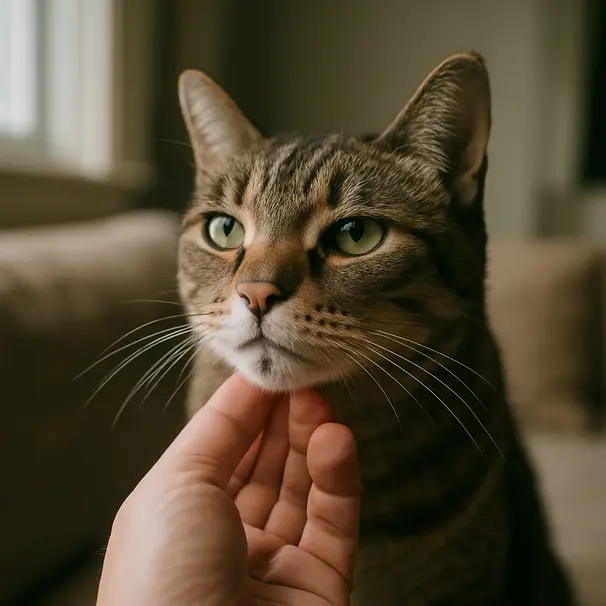
Cat acne (sometimes called feline acne) usually appears as blackheads or small pustules on the chin, lower lips, and grooved areas where whiskers sit. Those tiny black specks are often oxidized debris inside hair follicles, similar to human blackheads. In some cases the area becomes red, swollen, or develops scabs, especially if the cat scratches or rubs the spot.
Most cats tolerate mild acne without major fuss, though some cases may become irritated or infected. Acne can be a short-term nuisance or a recurring issue. That’s why understanding possible triggers and gentle care routines matters.
Common causes and contributing factors
Cat acne doesn’t have a single cause. A mix of environmental and individual factors can play a role. Here are common contributors to consider:
- Poor grooming or excess oil buildup, especially in less-maneuverable older or overweight cats.
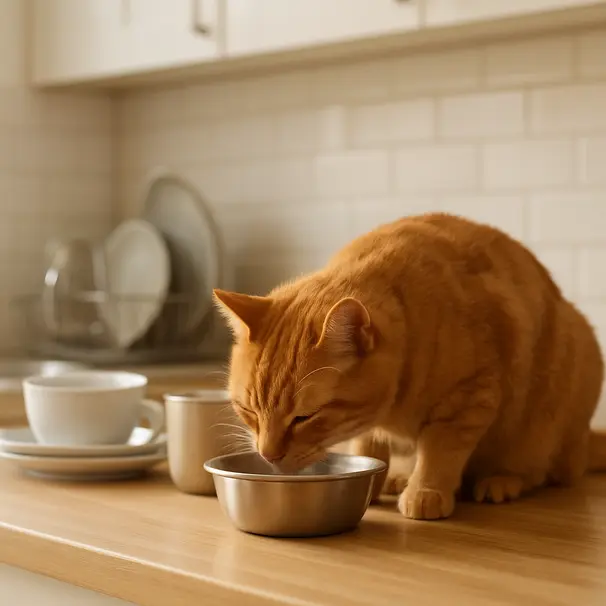
- Plastic food and water bowls, which may trap bacteria or irritate sensitive skin. Consider swapping to stainless steel or ceramic.
- Allergies or sensitivities, including contact allergies to certain cleaners, materials, or even bedding.
- Hormonal changes or immune system quirks that make some cats more prone to follicle blockages.
- Stress and anxiety, which can change grooming habits and skin oil levels.
- Secondary bacterial infections: a simple blocked follicle can sometimes become infected and look worse.
Rather than one single culprit, acne often reflects a few of the items above working together. Observing your cat’s routine and environment can reveal useful clues.
Breed and age notes
Any cat can get acne, but it may be more common in adult and older cats. Some short-haired breeds or cats with heavier chin fur show clearer blackheads, simply because the pores and hair follicles are easier to see. That said, individual skin sensitivity varies, and coat length is only one piece of the puzzle.
Signs to watch for
Keep an eye on these common signs so you can spot problems early:
- Tiny black dots or specks on the chin, like pepper
- Redness, swelling, or a sore-feeling area on the chin
- Scabs or crusty patches
- Hair loss around the chin or beard area
- Excessive rubbing of the chin on surfaces
- Pus or an obvious discharge (this may suggest infection)
If your cat seems uncomfortable, stops eating, or shows other systemic signs like lethargy or fever, consider contacting a vet sooner rather than later.
How a vet may approach cat acne
A veterinarian will usually examine the area and may gently clean or sample the lesion to check for infection. In simple cases they may suggest a trial of topical care and environmental changes first. If there’s evidence of bacterial infection or chronic inflammation, they may recommend medicated cleansers, topical treatments, or, in some cases, oral medications.
Remember, vets tailor advice to each cat. If you’re unsure about a product or approach, ask for a clear explanation of risks and benefits.
Simple at-home care you can try
For many mild cases, careful home care can make a big difference. Use gentle, realistic steps rather than overdoing treatments. Here are friendly, practical ideas:
- Swap bowls: Try stainless steel, glass, or ceramic food and water bowls. These materials are easier to clean and may reduce bacteria buildup.
- Clean bowls daily: Even when using non-plastic dishes, washing bowls every day can help.
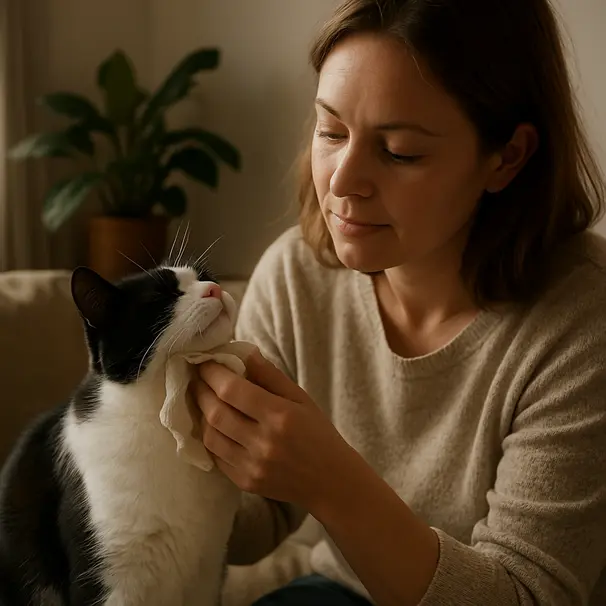
- Wipe the chin gently: Use a soft, damp cloth with warm water to wipe the chin once or twice a day. This can lift oils and debris without irritating the skin.
- Try a mild antiseptic wipe: If your vet agrees, chlorhexidine-based wipes at a low concentration can help control bacteria. Use only products vets recommend and stop if the skin gets redder.
- Avoid scrubbing: Gentle touch works best. Scrubbing can inflame the area and delay healing.
- Replace collars and bedding: If your cat wears a collar, try removing it to see if acne improves. Wash bedding regularly in a mild detergent.
If you notice improvement within a week or two, great. If things stay the same or worsen, it’s time to consult a vet.
Over-the-counter and topical options
There are a few over-the-counter products that may help, always used with veterinary guidance. Examples include medicated pads with chlorhexidine or benzoyl peroxide formulations for cats. These can help clear blocked follicles and reduce bacteria when used carefully.
A few safety reminders:
- Use cat-specific products or vet-approved concentrations. Human acne treatments can be too harsh for feline skin.
- Apply only as instructed. More is not better, and overuse can dry or irritate the skin.
- If your cat licks the treated area and seems unwell, stop use and contact a vet.
Topical treatments may take several weeks to show clear results, and patience is useful. Keep a gentle routine and monitor progress.
Prescription treatments a vet may consider
When acne is persistent, severe, or infected, a veterinarian may suggest prescription options. These can include topical antibiotics, oral antibiotics, or anti-inflammatory medications for short courses. In resistant cases, other treatments may be explored.
Always follow the vet’s directions carefully. Finish prescribed courses as instructed, and check back if there’s no improvement. Also ask about potential side effects and how to spot them.
Caring for scabs and irritated skin
Scabs and crusty patches can take time to heal. Here’s how to support the process:
- Keep the area clean and dry.
- Avoid picking at scabs. Let them fall off naturally.
- Use only vet-recommended topical products on open skin.
- Discourage scratching or face-rubbing by using soothing distractions like play or a calm petting routine.
If scabs are large, spreading, or painful, contact your vet for further evaluation. Secondary infection may require medical treatment.
Diet, health, and immune support
Diet changes are not a guaranteed fix for acne, but good overall nutrition supports skin health. Consider these gentle ideas:
- Maintain a balanced diet appropriate for your cat’s age and condition.
- Discuss potential food sensitivities with your vet if acne is persistent and all other causes are ruled out.
- Keep up with routine wellness checks, flea control, and dental care. Overall health affects skin resilience.
Avoid unproven supplements unless recommended by a vet. Some products may interact with medications or cause digestive upset.
How pet carers can help
If you’re a pet carer looking after a cat with acne, your role can be hugely helpful. Carers often notice small changes sooner than busy owners. Here’s a short checklist to follow:
- Check the cat’s chin during daily care and report any changes.
- Swap to ceramic or stainless bowls in your care sessions.
- Gently wipe the chin after meals, if allowed by the owner’s care plan.
- Follow any topical medication schedule exactly, using gloves if directed.
- Keep a log of progress: photos and notes on how the area looks each day can be useful for owners and vets.
A calm, consistent carer can make treatments easier and less stressful for the cat.
When to see the vet, and what to ask
Consider reaching out to a veterinarian if you notice:
- Redness, swelling, or pus that suggests infection
- Large scabs or open sores
- Signs of discomfort, loss of appetite, lethargy, or fever
- No improvement after a couple of weeks of gentle home care
Questions to ask your vet:
- What might be causing my cat’s acne?
- Do you recommend any tests or samples?
- What products are safe for home cleaning?
- Will my cat need topical or oral medication?
- How long before I should expect improvement?
Bringing photos or a brief timeline of changes can speed up diagnosis and treatment planning.
Practical tips for a smoother recovery
A few simple habits can speed healing and reduce recurrence:
- Use non-plastic bowls and clean them daily.
- Keep the chin area dry and free of debris.
- Avoid products with heavy fragrances near your cat’s face.
- Encourage normal grooming by keeping your cat comfortable and stress-free.
- If prescribed medications, follow instructions and attend follow-up checks.
Small routine changes often add up to big improvements. Be patient and kind to your cat during treatment.
A final word of reassurance
Cat acne can look scarier than it usually is. Many cats respond well to simple environmental changes and gentle cleaning. When needed, vets can offer effective treatments to clear infections and soothe inflammation. With a little care from owners and carers, most cats get back to their usual whiskery selves quickly.
If you ever feel unsure, trust your instincts and reach out to a veterinary professional. Quick action and consistent care are the best gifts you can give your cat’s chin and overall comfort.
Quick checklist: what to try first
- Swap plastic bowls for ceramic or stainless steel
- Wash bowls daily
- Gently wipe the chin with a warm, damp cloth
- Avoid scrubbing or home remedies without vet approval
- Contact your vet if there’s redness, pus, or no improvement
Thanks for caring for your cat’s skin. A small routine can make a big difference for a happier, itch-free chin.