


Cat allergies explained: causes & solutions
Cats are family. When someone in the home sneezes, it can feel heartbreaking to think you might have to choose between your health and your furry friend. This guide walks through what triggers cat allergies, how symptoms can show in people and in cats, and practical, everyday steps owners and carers can try to reduce irritation and keep everyone comfortable.

A quick overview: are we talking about people or cats?
First, we should separate two related ideas. One is human allergic reactions caused by cat proteins. The other is allergies that affect cats themselves. Both matter to pet owners and carers, and both can be managed more gently than you might think.
- Human allergies to cats are usually immune responses to proteins found in cat saliva, skin flakes, and urine. These proteins become airborne or stick to surfaces.
- Cats can develop allergies too. They may react to food, fleas, or environmental allergens like pollen and dust mites. Those reactions show up as itching, ear issues, or digestive upset.
Understanding the difference helps you find the right solutions, and it keeps you asking the right person for help: your physician for your own allergic reactions, and your veterinarian for your cat’s signs.
What actually causes cat allergies in people?
The most common culprit is a protein called Fel d 1, produced in a cat’s saliva and skin. When a cat grooms, that protein gets on fur and skin flakes. As coats shed or as saliva dries, tiny particles can float in the air or land on surfaces. Some people’s immune systems mistake these proteins for threats and react.
Other possible triggers include:
- Proteins in cat urine, which can be an issue in shared spaces or litter areas.
- Dust and pollen that cling to a cat’s fur and get tracked around the house.
- Mites or mould that live in bedding or carpets.
Not every cat sheds the same amount of allergen, and not every person reacts the same way. Breed marketing sometimes calls cats “hypoallergenic,” but that can be misleading. Some breeds may produce less of a particular protein or shed less, and that may help, but there are no guarantees.

How cat allergens spread around your home
Allergens are stubborn. They stick to fabrics, hide in carpets, and cling to upholstery. They can linger even after a cat has left a room. That explains why symptoms sometimes persist even when a cat is out of the house.
Common spread routes:
- Grooming, which places proteins on fur.
- Shedding and dander, which includes tiny skin flakes.
- Litter boxes, where urine proteins can become airborne as dust.
- Carpets, curtains, and soft furniture, which act like allergen sponges.
A clean home can help, but expect progress rather than perfection. Small, consistent steps usually work best.
Signs and symptoms: how allergies show up
People and cats show different signs. Recognizing them helps you decide whether to try at-home strategies or consult a professional.
Human symptoms may include:
- Sneezing, nasal congestion, or runny nose.
- Itchy, watery eyes.
- Coughing or wheezing for those with asthma.
- Skin reactions like hives if there’s direct contact.
Cat symptoms may include:
- Persistent scratching or licking.
- Red, irritated skin or hair loss in patches.
- Ear infections or head shaking.
- Chronic gastrointestinal upset, in the case of food allergies.
If a cat’s scratching is intense or a person is wheezing, consider seeking medical advice. These signs can point to other health issues, and a professional can help narrow down the cause.
How allergies are diagnosed
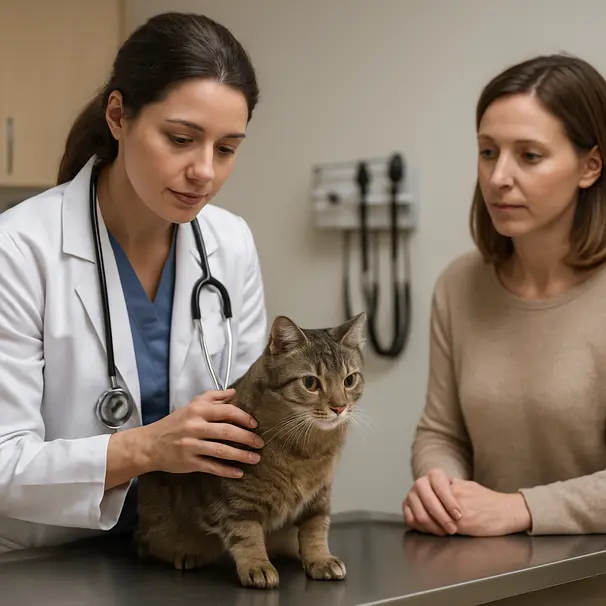
For people, allergy testing with a primary care doctor or an allergist can confirm sensitivities. Tests may include skin prick tests or blood tests. For cats, a veterinarian evaluates symptoms, rules out parasites or infections, and may try elimination diets or targeted tests.
Keep in mind:
- Tests can suggest likely triggers, but real-world exposure is the best test. Small changes at home can confirm if a particular strategy helps.
- Don’t make big medical changes without speaking to a doctor or vet. Mention any new medications, supplements, or diets before you start them.
Practical, everyday solutions for people who live with cats
Here are friendly, usable steps that can help reduce allergens without turning your home upside down.
Home cleaning and layout
- Create cat-free zones, like the bedroom, to keep at least one area low in allergens.
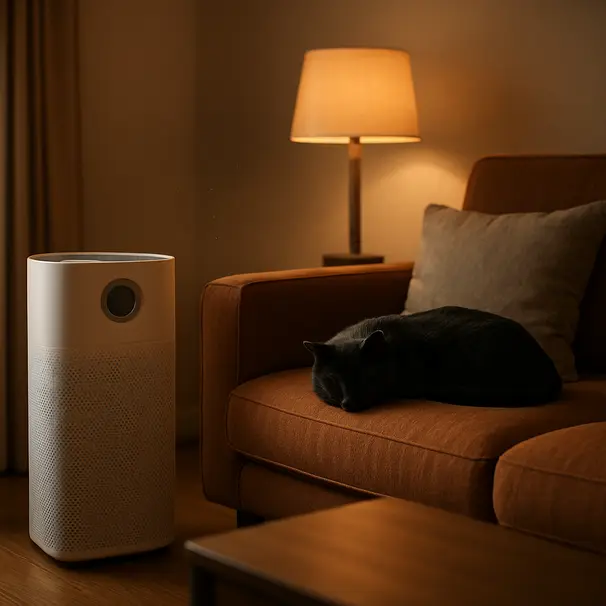
- Use a HEPA filter in main living spaces. It can help reduce airborne particles.
- Wash bedding and soft furnishings regularly in hot water when possible.
- Swap heavy curtains for washable blinds or lighter fabrics that are easier to clean.
Grooming and cat care
- Brushing your cat regularly can reduce loose fur and dander. If you’re allergic, ask a non-allergic household member to help, or wear a mask and wash hands afterward.
- Some cats tolerate regular bathing, which can reduce allergens for a short time. Use cat-safe shampoos and check with your vet first, as bathing can dry skin if done too often.
- Keep nails trimmed, since long-scratched skin can trap more allergens.
Smart cleaning habits
- Vacuum with a HEPA-equipped vacuum and go over areas slowly.
- Damp-dust surfaces rather than dry dusting, which can send particles into the air.
- Consider hard flooring instead of carpet in key areas if you’re planning renovations.
Lifestyle tips
- Wash your hands after petting a cat, and avoid touching your face.
- Change clothes after long interactions if symptoms flare.
- Talk to your doctor about antihistamines or other over-the-counter options, and about immunotherapy if symptoms are severe.
Practical solutions if your cat has allergies
Cats can suffer and get anxious if they’re always itchy. Treating a cat’s allergies focuses on comfort and finding the trigger.
Common steps to consider with your vet:
- Flea control. For many cats, flea allergy is the most common cause of severe itching. Regular prevention can make a huge difference.
- Food trials. If your vet suspects a food allergy, a strict elimination diet for several weeks may identify the problem.
- Environment management. If pollen or dust is to blame, keeping the home cleaner and using air filtration may help your pet too.
- Topical care. Medicated shampoos, sprays, or prescribed ointments can soothe irritated patches. Ask your vet what’s appropriate for your cat’s skin type.
Always check with a veterinarian before trying new treatments. Cats metabolize drugs differently from people, and a professional can recommend safe, effective options.
Tips specifically for pet carers and sitters
Carers often meet new pets and new homes. A few mindful practices can make visits safer and more comfortable for everyone.
Before the visit:
- Ask about allergies in the household and any known triggers for the cat.
- Get permission to use cleaning wipes or a portable HEPA unit if you expect close contact and someone is allergic.
During care:
- Keep your clothes and hands clean between visits. Consider wearing a light disposable cover if you know a client is highly allergic.
- Avoid bringing other animals or strong scents into the home. Some people and cats react to perfumes and detergents.
- If you spot signs of allergic reaction in the cat, let the owner know and suggest contacting their vet.
After the visit:
- Wash your hands and change clothes if you experienced irritation.
- If you have persistent symptoms, record what happened during the visit and discuss it with your physician.
Myths and gentle reality checks
Myth: “Hypoallergenic breeds are allergy-free.” Reality: No cat is completely allergen-free. Some produce less of particular proteins or shed less, which may help, but results vary.
Myth: “Keeping a cat outdoors prevents allergies.” Reality: Outdoor cats still carry allergens into the house on their fur, and they may bring in pollen or parasites.
Myth: “Cleaning once will fix everything.” Reality: Allergens build up. Regular, consistent cleaning is more effective than occasional deep cleans.
When to seek medical or veterinary care
For people: see a doctor if you have persistent breathing problems, chest tightness, or severe reactions after exposure. These can be signs of asthma or a serious allergic response.
For cats: contact your veterinarian if scratching is continuous, if there are open sores, hair loss, or if eating and normal behavior change. Those are signs a cat may need medical attention.
A short, practical checklist to try this week
- Make the bedroom a cat-free zone tonight.
- Add a HEPA filter to your main living area if you can.
- Brush your cat gently twice a week, or arrange for a non-allergic household member to do it.
- Wash bedding and your own clothes after long snuggles.
- Note symptoms in a simple log, and share the details with your doctor or vet at your next appointment.
Final thoughts
Living with cat allergies doesn’t mean you have to give up your pet. Small, steady steps can reduce allergens and improve comfort for people and cats alike. Keep a curious, problem-solving mindset. Try one or two changes, see what helps, and then build on the wins. And remember to reach out to your doctor or veterinarian for tailored advice and support. We want both you and your cat to feel safe and loved, with fewer sneezes along the way.