

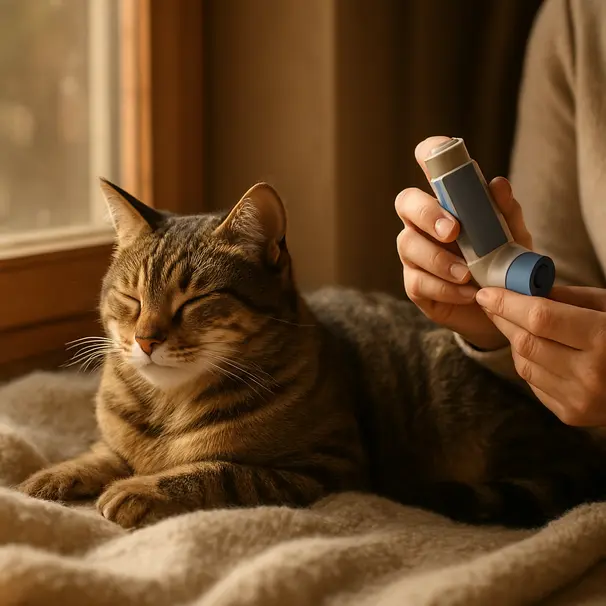
Cat asthma: symptoms & treatments
If your cat coughs, wheezes, or seems short of breath, your heart probably does a little flip. Respiratory problems in cats can feel alarming, but there are clear steps you can take to understand what’s going on and how to help. This guide walks through what feline asthma may look like, how vets might approach diagnosis, treatment options you can consider, and everyday ways to make life calmer for your purring companion.
What is cat asthma?
Feline asthma is an inflammatory condition of the airways. It can make breathing noisy or difficult because airways narrow and produce extra mucus. A flare can surprise you, and some cats show only mild signs between episodes. The condition may be chronic, but many cats live comfortable lives with the right care.
How it develops
The exact cause isn’t always clear. Allergens, irritants, infections, or even stress may play a part. The immune system responds in a way that causes airway inflammation and sensitivity. Some cats may be genetically predisposed, while others react to indoor triggers like dust, smoke, or strong fragrances.
Common signs and symptoms
Knowing the typical signs can help you spot trouble early. You might notice:
- Coughing or a honking sound, especially after play or excitement
- Wheezing while breathing
- Rapid or labored breathing, with visible effort in the chest and ribs
- Open-mouthed breathing in severe cases
- Lethargy or reluctance to move during an episode
- Reduced appetite or general hiding behavior
Symptoms can vary day to day. A mild cough might be easy to miss, while an acute flare can be obvious and frightening.
When it’s an emergency
Some signs need immediate veterinary attention. Consider this an emergency if your cat:
- Is breathing very rapidly, more than about 40–60 breaths per minute at rest
- Has pronounced open-mouthed breathing
- Seems dizzy, collapses, or is extremely weak
- Has blue-tinged gums or tongue, which may indicate low oxygen
If you see any of these, call or go to a veterinary clinic right away. Emergency care can be lifesaving.
How vets diagnose asthma
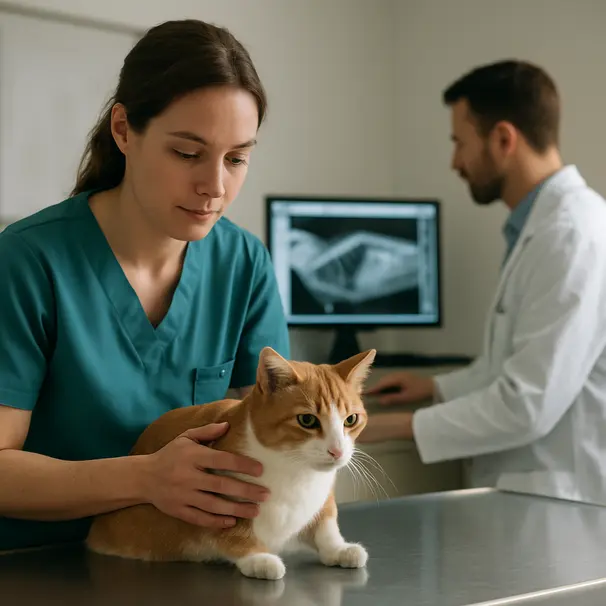
A vet will start with a full history and physical exam. Be ready to describe when symptoms started, any possible triggers, and the pattern of coughing or breathing trouble.
Common diagnostic steps may include:
- Chest auscultation to listen for wheezes and crackles
- X-rays to look for lung changes and rule out other causes
- Bloodwork to assess overall health and infection markers
- Airway sampling or bronchoalveolar lavage in some cases, which allows cells from the lungs to be examined
- Trial treatments to see how the cat responds
Diagnosis can take time. The goal is to rule out other conditions that mimic asthma, such as heart disease, infections, or foreign bodies in the airway.

Treatment options to consider
Treatment plans are tailored to each cat. Your vet may suggest one or more of the following approaches.
- Corticosteroids: Oral or injectable steroids can reduce inflammation and calm airway reactivity. They may be used in short courses for flares or lowered to maintenance doses.
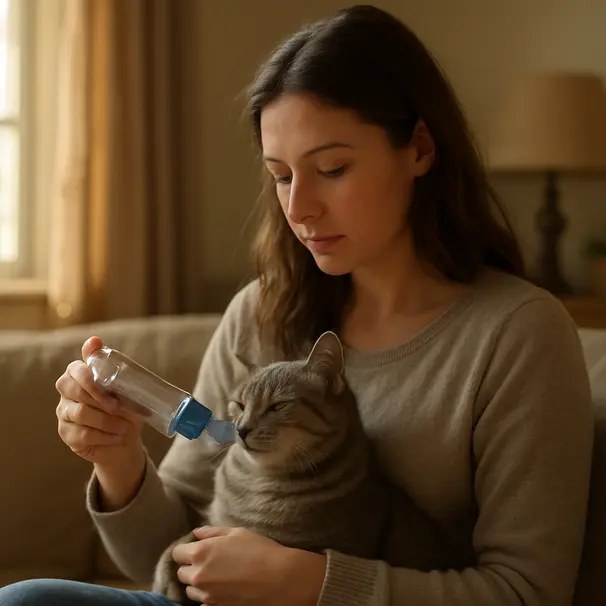
- Inhaled steroids: Using a spacer and mask can deliver medication directly to the lungs with fewer systemic effects. This often helps long term.
- Bronchodilators: These drugs relax airway muscles and can ease breathing during episodes. They may be given orally, by injection, or by inhaler.
- Antibiotics: Only used if a bacterial infection is suspected, since asthma is not caused by bacteria.
Decisions about drugs, dosages, and delivery methods will depend on severity, your cat’s other health conditions, and practical factors like how comfortable your cat is with handling.
Inhalers and spacers
Inhaled therapy can be very effective and may reduce the need for higher-dose oral steroids. Many cats tolerate a spacer and mask, especially when introduced with patience and positive rewards. Consider working with a vet or vet nurse to get confident with the technique.
Giving medication: practical tips
Administering medication to a cat can feel awkward at first. These ideas may help:
- Create a calm routine, pick a quiet room and a consistent time.
- Use gentle restraint, wrapping in a towel if necessary, and keep movements slow.
- Pair treatment with treats, praise, and a favorite toy to reduce stress.
- For inhalers, practise the mask approach when your cat is relaxed, then gradually add the medication.
- If pills are hard, ask about compounded formulations, transdermal gels, or flavored options that may be easier.
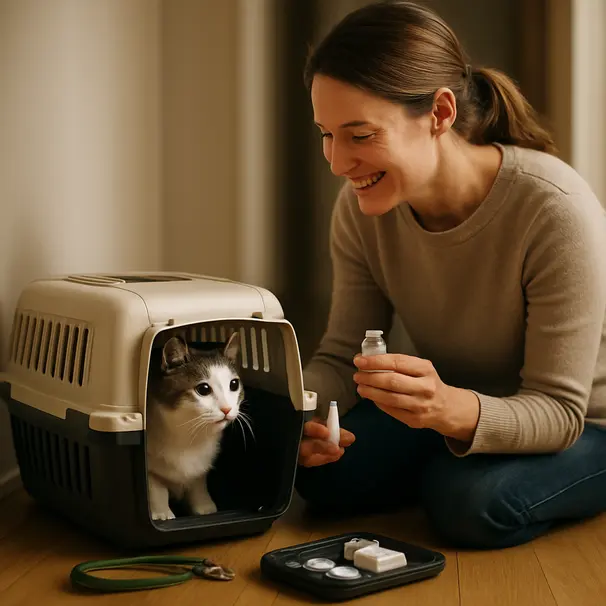
If you’re struggling, a vet or experienced pet carer can demonstrate techniques. Consider having a carer who is comfortable with medication administration if you need support.
Managing the environment: reduce triggers
Small changes at home may help keep flare-ups less frequent. Think about these steps:
- Avoid smoke exposure. Keep indoor spaces smoke-free, and limit visits where smoke is present.
- Choose unscented or mild cleaners. Strong perfumes, scented candles, and aerosol sprays may irritate sensitive airways.
- Use dust-free cat litter. Low-dust or non-clumping litters can reduce airborne particles.
- Keep humidity moderate. Both very dry and very humid air can bother some cats, so aim for a comfortable middle ground.
- Clean soft furnishings regularly. Vacuuming with a HEPA filter and washing bedding can reduce dander and dust.
Every cat is different, so observe which environmental changes seem to help and adjust accordingly.
Monitoring and long-term care
Once your cat is diagnosed, regular follow-up is useful. Keep a simple log of symptoms, noting coughing frequency, exercise tolerance, appetite, and any changes. This can help your vet tweak treatment.
Consider these practical monitoring tips:
- Count resting respiratory rate at home when your cat is relaxed. Fewer than about 30–40 breaths per minute is often normal, but ask your vet for a target that fits your cat.
- Watch for subtle changes: less grooming, hiding more, or shorter play sessions may signal a problem.
- Keep medications organized and timed. Set reminders for dosing and prescription renewals.
Many cats do well on a maintenance plan of lower-dose inhaled or oral medication, with stronger therapy used during flares.
Working with pet carers and sitters
If you use pet carers, make sure they know your cat’s condition and routine. A reliable carer can:
- Administer inhaler or oral meds, if trained and comfortable
- Watch for early signs of trouble and contact you or the vet
- Keep the environment calm, avoiding smoke and heavy scents
- Record observations about appetite, breathing, and activity
On Floofy, choose carers who are happy to follow medication protocols and who will update you promptly. A carer who knows how to keep your cat relaxed during treatment is a real comfort.
Travel, boarding, and vet visits
Plan ahead before travel or boarding. Discuss your cat’s asthma with the boarding facility and your vet. Bring a written treatment plan, current medications, and contact information for your vet. During vet visits, ask about emergency plans and whether the clinic offers inhalation therapy demonstrations.
Prognosis and quality of life
Many cats with asthma live happy, active lives with proper management. Some may have occasional severe flares, while others need only mild maintenance. Regular communication with your vet, a stable environment, and careful observation can all help your cat feel comfortable.
Try to balance vigilance with normalcy. Cats often adapt well and keep being themselves, naps and all.
Frequently asked questions
Can a cat outgrow asthma?
Asthma is usually a chronic condition, but symptoms may become milder with appropriate treatment. Some cats respond so well to therapy that episodes are rare.
Are inhalers scary for cats?
Not usually, though some felines need gentle training. Using treats and short sessions helps. Many cats accept the mask quickly when it becomes part of a calm routine.
Is diet linked to asthma?
Diet is not a primary cause, but maintaining a healthy weight can ease breathing. Discuss any dietary changes with your vet.
Can stress trigger flares?
Yes, stress may worsen symptoms in some cats. A calm home, predictable routine, and reassuring care can be helpful.
Quick checklist for owners and carers
- Know emergency signs and have a vet contact ready.
- Keep medications accessible and instructions clear.
- Reduce triggers like smoke and strong scents at home.
- Monitor resting respiratory rate and activity level.
- Train carers on medication handling and observation skills.
Final thoughts
Finding out your cat has asthma can be unsettling, yet with the right support it often becomes part of life rather than a constant crisis. Stay observant, keep lines of communication open with your vet, and don’t be shy about asking a trusted carer for help. Your cat will appreciate your calm confidence, and together you can make breathing easier and days fuller.
If you’re unsure about any sign or treatment option, consider contacting your veterinarian. They can help you build a plan that fits your cat’s needs and your daily life.