

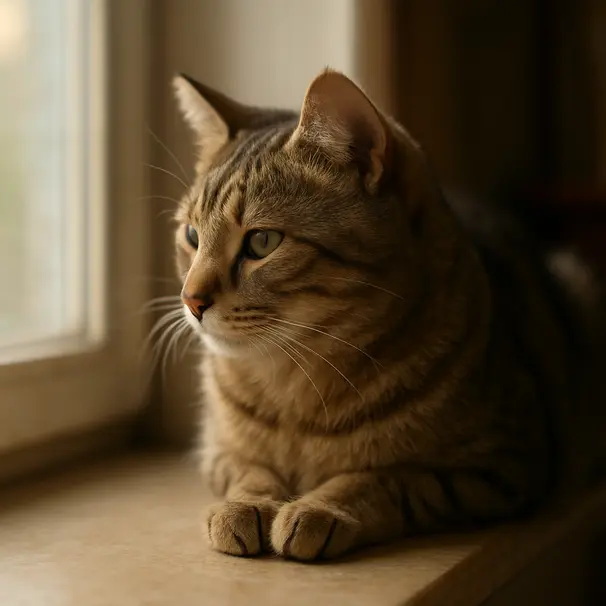
Cat cutaneous horns: what they are
If you spot a little cone-shaped bump on your cat and your first thought is “Is that a tiny unicorn?” you’re not alone. Cutaneous horns are exactly what they sound like: hard, horn-like projections of skin made mostly of compacted keratin. They can look surprising, but with a calm approach and a vet consult, most cats do just fine.
What do cutaneous horns look like?
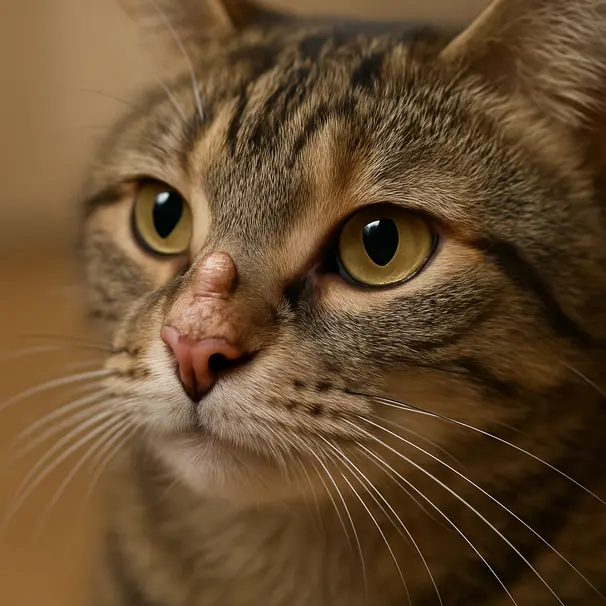
Cutaneous horns vary in size and shape. Some are tiny, like a pinhead, while others can be as long as a fingernail or slightly larger. Common features include:
- A firm, horn-like texture, often rough to the touch.
- A cone or cylinder shape that rises from the skin surface.
- A base that may be smooth, inflamed, scabby, or crusted.
They can show up anywhere on the body, though they’re most often seen where the skin has been exposed to sunlight or where there’s been chronic irritation. A cat’s whisker area, ears, nose, or limbs are common spots.
How are they different from other lumps?
Not all bumps are horns. Lipomas, cysts, papillomas, and other growths can look similar at first glance. Cutaneous horns are distinct because of the compact keratin core that forms the visible horn. A vet can help identify what you’re seeing through examination and possibly tests.
What might cause a cutaneous horn?
Cutaneous horns aren’t a single disease. They’re more like a visible outcome of an underlying skin issue. Some things that may lead to horn formation include:
- Chronic skin irritation or inflammation
- Viral infections such as papillomaviruses in some species
- Sun damage, especially on pale or sparsely haired areas
- Benign skin lesions like warts or keratoses
- Less commonly, underlying skin cancers or precancerous changes
It’s important to remember that a horn itself is not a diagnosis, it’s a sign. The same-looking horn could sit atop a harmless wart or something more serious. That’s why vets often recommend investigating the base of the lesion.
Signs to watch for: when to get your cat checked
Keep an eye on any unusual skin change. Book a vet appointment if you notice:
- A new horn-like growth that appears or grows quickly
- Redness, swelling, bleeding, or discharge around the base
- Pain when the area is touched
- Your cat scratching or grooming the spot excessively
- Any changes in appetite, energy, or behavior that coincide with the growth
Early assessment can help your vet determine whether the horn is linked to a benign condition or needs further testing.
What your vet may do
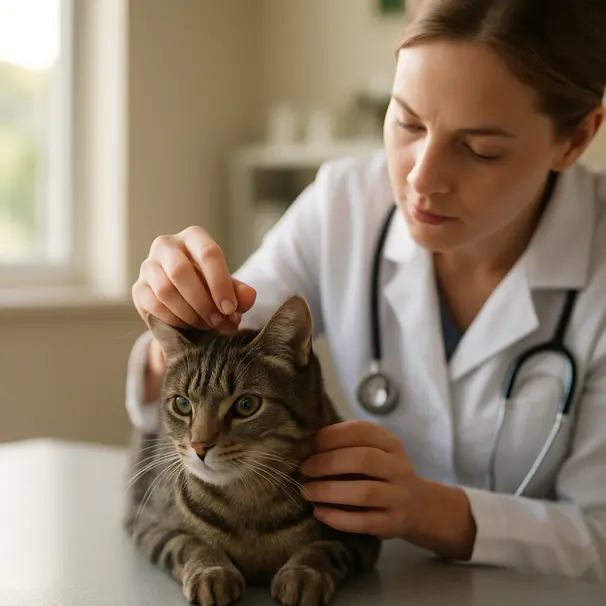
During the exam, your vet will look closely at the horn and the surrounding skin. Steps they may suggest include:
- Fine needle aspiration or biopsy of the base, to check what’s under the horn
- Surgical removal if the horn is bothersome, bleeding, or if there’s concern about malignancy
- Photographic monitoring if the lesion looks benign and small
- Skin scrapings or cultures if infection is suspected
Biopsy results tell the story of what’s happening beneath the surface. If the underlying change is benign, removal may be curative. If there’s a precancerous or cancerous process, your vet can recommend surgical margins, further treatments, or referral to a specialist.
Will treatment be painful for my cat?
Most procedures, including biopsy and surgical removal, are done under local or general anaesthesia to prevent pain and stress. Aftercare may include short courses of pain relief or antibiotics, depending on the situation. Your vet can outline what to expect during recovery.
Home care and monitoring
If your vet recommends watchful waiting or after your cat has a procedure, there are practical ways you can help:
- Check the spot gently every few days for changes in size or color.
- Keep the area clean and dry, unless your vet suggests a medicated wash.
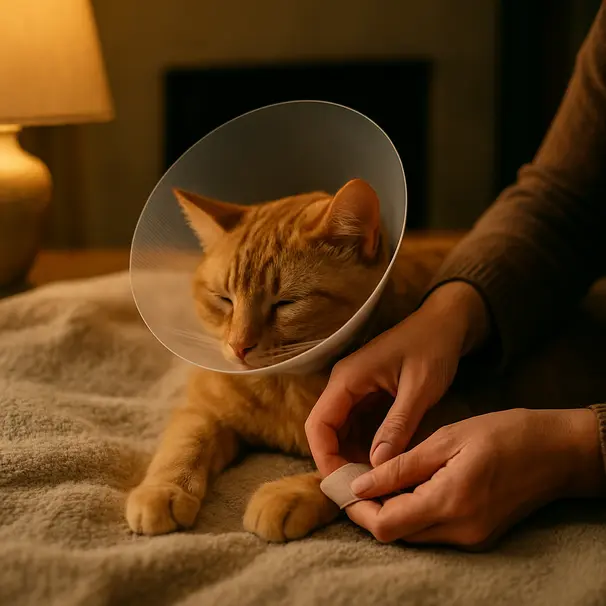
- Use an Elizabethan collar if your cat keeps licking or scratching the site.
- Avoid applying over-the-counter human treatments without veterinary advice.
Remember, some owners worry that removing a horn will cause it to grow back worse. In many cases, once the underlying lesion is addressed, the horn does not return. Still, regular checks are a good habit.
Possible outcomes and prognosis
Outcomes depend on what’s beneath the horn. Some typical scenarios are:
- Benign lesion: removal or monitoring with routine checks, very good outlook.
- Precancerous lesion: removal with appropriate margins, with follow-up to ensure clear edges.
- Cancerous lesion: may need more extensive surgery or specialist care, prognosis varies with type and stage.
Because the horn itself is a symptom, the best way to understand prognosis is through a vet exam and, when needed, biopsy results.
Prevention and risk reduction
You can’t prevent every skin change, but these steps may reduce risk factors:
- Limit sun exposure for light-colored or thin-haired cats, especially the ears and nose. Use shade, indoor resting spots, and sun-protective clothing where practical.
- Reduce chronic skin irritation by managing fleas, mites, and allergies promptly.
- Keep an eye on wounds or scabby areas, and get them checked if they don’t heal.
- Maintain regular grooming, so you notice changes early.
If your cat spends a lot of time outdoors, consider scheduling more frequent skin checks with your vet.
How pet carers and sitters can help
If you’re a pet carer or sitter, you may be the one who notices a new horn during playtime or brushing. Here’s how to respond kindly and responsibly:
- Note the size, color, and exact location of the growth.
- Take a clear photograph with a date stamp if you can, and share it with the owner.
- Avoid poking, squeezing, or attempting to remove the horn yourself.
- Encourage the owner to arrange a veterinary check if they haven’t already.
- If the cat is on pain medication or has post-op instructions, follow them carefully and keep the owner updated.
Small details you pass on can make the vet visit smoother, such as when the growth was first noticed and any changes in behavior.
Questions to ask your vet
It can help to go to the vet prepared. Consider asking:
- What do you suspect is causing this horn?
- Do you recommend a biopsy or immediate removal?
- What are the risks of leaving it untreated?
- How long will recovery take if surgery is needed?
- Are there warning signs I should watch for at home?
Write notes during the appointment, or ask the vet to send a short summary by email if that helps you remember.
A gentle reminder about online advice
There’s a huge world of pet forums and images online. While community experience can be reassuring, it can also be misleading. Photos won’t tell your cat’s whole story, and treatment that worked for one animal may not be right for another. Consider online tips as supportive, not definitive, and consult your vet for a personalised plan.
Final thoughts: stay curious, stay calm
Finding a cutaneous horn on a beloved cat can feel alarming at first. Most of the time, a careful exam, perhaps a biopsy, and simple treatment or monitoring are all that’s needed. Your calm presence, a clear photo, and a timely vet visit can make this an easy check-up rather than a crisis.
If you’re a pet carer, spotting changes early is one of the best gifts you can give an owner and their cat. And if you’re an owner, trust your instincts. A quick call to the vet can set your mind at ease and get the right plan in place for your floofy friend.
- Quick checklist for owners and carers:
- Note when the horn appeared and any changes.
- Take a clear photo for records.
- Avoid self-treatment and contact your vet.
- Follow post-op care instructions carefully after removal.
With the right attention and veterinary partnership, most cats with cutaneous horns go on to enjoy comfortable, happy lives. Keep being observant and gentle, and your cat will thank you with purrs and head butts.