

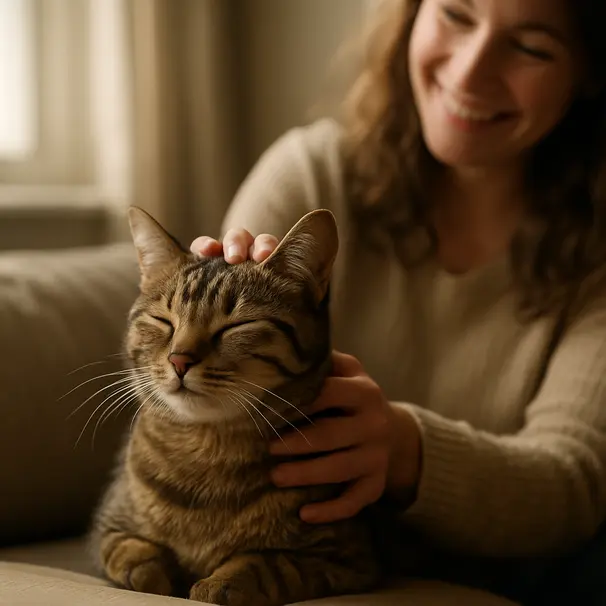
Cat ear mites: what every cat lover should know
Ear mites are tiny parasites that can make a cat’s ears itchy, uncomfortable, and a little dramatic. They don’t mean your cat is dirty or bad, they simply like warm, cozy ear canals. The good news is ear mites can often be treated effectively, especially when you spot them early and get the right care. This guide walks you through the signs to watch for, safe at-home steps you can consider, when to call a vet, and practical tips to help prevent reinfestation.
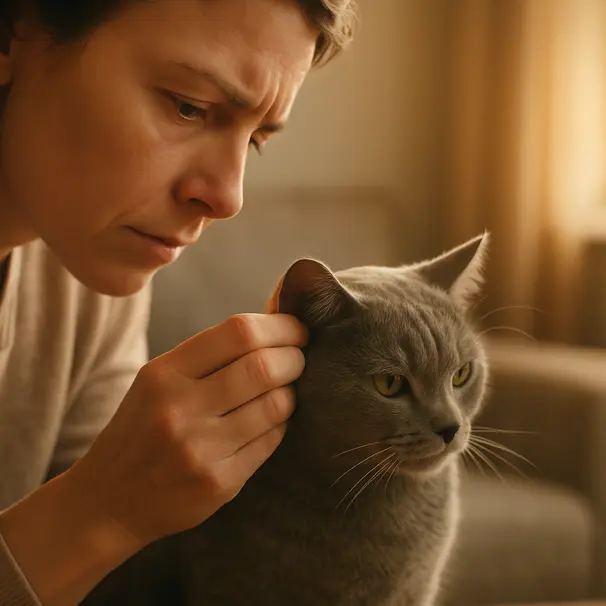
What are ear mites?
Ear mites are microscopic parasites that live in the ear canal. They feed on skin oils and debris, and their presence can cause irritation and a strong itching response. Kittens and outdoor cats can be at higher risk, but indoor-only cats may also pick them up from other pets, carrier bedding, or a visit to the groomer.
They are very small and usually invisible to the naked eye. What you’re more likely to notice are the signs they leave behind: scratching, head shaking, and that telltale dark, crumbly ear debris that looks a bit like coffee grounds.
Common signs and symptoms
Cats can show a range of reactions to ear mites. Some cats are very itchy and dramatic, others are quieter but uncomfortable. Look out for:
- Persistent scratching at the ears or around the head
- Frequent shaking or tilting of the head
- Dark, dry, crumbly discharge in the ear canal, often brown or black
- Red or inflamed inner ear skin
- Scabs or hair loss around the ears from rubbing
- Foul or unusual ear odor, especially if a secondary infection has developed
- Discomfort when you touch their head or ears
Young kittens might become restless or stop feeding well if they feel particularly uncomfortable. If you see any of these signs, it’s worth investigating sooner rather than later.
How ear mites differ from other ear problems
Ear mites aren’t the only reason a cat’s ear might be unhappy. Allergies, yeast infections, bacterial infections, foreign bodies, or even polyps can cause similar signs. That’s why a proper check is helpful, especially if your cat doesn’t improve after a short course of treatment you try at home.
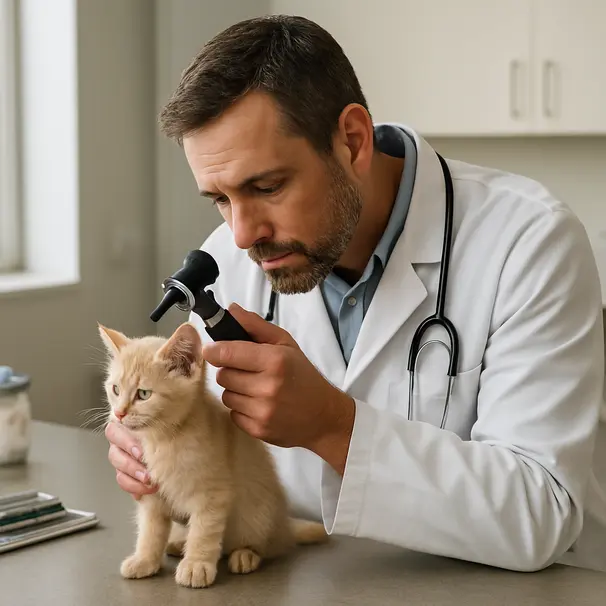
How a vet typically confirms ear mites
A vet will usually examine the ear with an otoscope to look at the ear canal. To confirm mites, they may take a swab of the ear discharge and look at it under a microscope. Microscopic examination can reveal the mites or their eggs.
Because ear mites can cause secondary infections, the vet may also check for bacterial or yeast overgrowth. Treatment choices often depend on whether an infection is present and how severe the irritation is.
Remember, a vet’s confirmation can help avoid using the wrong treatments and ensure any infection is treated safely.
Short-term home care you can consider
If your cat is comfortable and you suspect ear mites, there are a few gentle steps you can try while arranging veterinary care. These measures focus on comfort and cleanliness, not replacing professional treatment.
- Keep your cat calm and comfortable. A stressed cat will make ear checks harder.
- Use a soft cloth to wipe visible discharge from the outer ear, not deep inside the canal. Avoid cotton buds that can push debris deeper.
- Keep bedding and favorite resting spots clean. Wash bedding in hot water if possible, or swap in fresh bedding temporarily.
- Avoid using over-the-counter drops unless a vet has recommended them. Some products can irritate the ear or be harmful if applied incorrectly.
These steps can ease discomfort, but they may not remove mites themselves. Consider contacting your vet for guidance on appropriate topical or prescription treatments.
Veterinary treatments you may encounter
A vet can suggest several treatment options that may help manage ear mites and any related infections. Depending on the case, this might include:
- Prescription topical anti-parasitic ear drops, applied directly into the ear canal, that can kill mites and their eggs over several treatments.
- Systemic treatments, such as oral or injectable medications, that may help clear mites throughout the body if needed.
- Ear cleaning carried out professionally to remove heavy debris, which can improve how well topical treatments work.
- Additional medications like antibiotics or antifungals if a secondary infection is present, or anti-inflammatory medicines if the ear is especially irritated.
Always follow your vet’s instructions about dosage and duration. Treating for less time than recommended may leave eggs or resistant mites behind.

Cleaning and caring for the environment
Because mites can survive briefly in the environment or on soft furnishings, cleaning helps prevent reinfestation:
- Wash bedding, blankets, and any removable covers in hot water and dry on a hot setting.
- Vacuum furniture and carpets, paying attention to corners and under cushions. Dispose of the vacuum bag or empty the canister outside if possible.
- For non-washable items, consider a thorough surface clean or spot treatment based on material safety.
- Check any other pets in the household. Even if they seem fine, your vet may recommend treating them, as mites can spread between animals.
Keeping a clean environment doesn’t replace veterinary treatment, but it can support the process and lower the chance of mites returning.
Do’s and don’ts for safe home care
Do:
- Do keep calm and patient with your cat, handling ears gently and briefly at first.
- Do ask your vet before using over-the-counter ear drops or home remedies.
- Do treat all pets in the household if recommended by your vet.
- Do follow the full course of prescribed treatment.
Don’t:
- Don’t insert cotton buds into the ear canal. They can push debris deeper or damage the ear.
- Don’t use products meant for dogs or other animals without a vet’s OK.
- Don’t stop treatment early because the ears look better. Eggs can hatch later, so completing the course is important.
Special considerations for kittens and seniors
Kittens may be more susceptible to ear mites and can become dehydrated or lose weight if they’re very uncomfortable. A vet check is especially important for kittens showing ear symptoms.
Senior cats might have other health issues that complicate treatment. Your vet can tailor a plan that considers the whole cat, including any medications they’re already taking.
When to see a vet urgently
Contact your vet sooner if:
- Your cat shows sudden, severe pain, or you notice swelling or discharge that smells bad.
- Your cat stops eating, becomes lethargic, or acts unusually withdrawn.
- Signs don’t improve after a few days of appropriate treatment.
Prompt attention can prevent complications like deeper infections or lasting ear damage.
Tips for pet carers and owners during treatment
If you’re a pet carer looking after a cat with ear mites, communication and consistency are key:
- Keep the owner updated about treatment progress and any changes you observe.
- Administer medicines exactly as prescribed and record times and doses.
- Keep the cat in a quiet, comfortable space during treatment to reduce stress.
- Use gentle handling techniques during ear cleaning or medication, and ask for a demonstration if you’re unsure.
Clear notes and calm handling can make the process smoother for everyone.
Preventing future outbreaks
After treatment, you can take simple steps to reduce future risk:
- Maintain regular grooming and routine health checks.
- Clean bedding and resting areas regularly.
- Limit unsupervised contact with unknown animals, especially stray or feral cats.
- Ask your vet about preventative products if your cat is at ongoing risk due to outdoor access or multi-pet households.
Small precautions can go a long way toward keeping your cat comfortable and mite-free.
Final thoughts: comfort and patience matter
Ear mites are uncomfortable, but with attentive care you can help your cat feel better. Early detection, a vet consultation, and consistent follow-through with treatment are the best path toward resolution. Be gentle during ear checks, keep living spaces clean, and watch other pets for signs of infection.
If ever in doubt, consult your vet. They can guide you to safe treatments and tailor a plan that fits your cat’s needs. A little patience and the right care will usually send those tiny troublemakers packing, and your cat will be back to purring and snoozing in no time.