

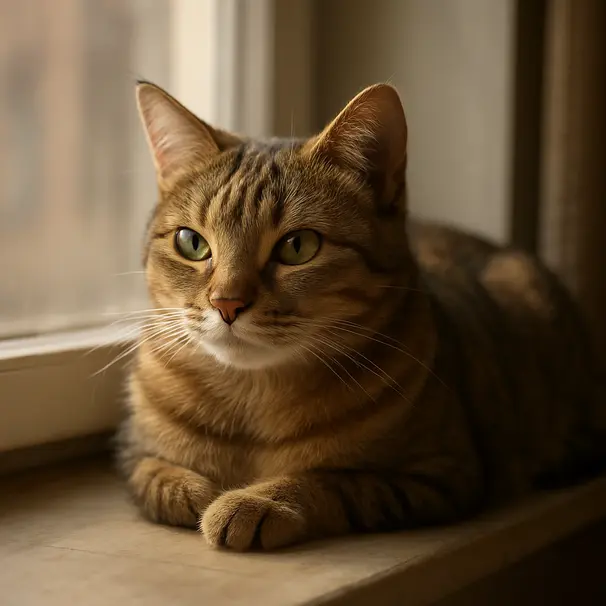
Why my cat’s eyes are weepy? A friendly primer
Cats sometimes have a little eye gunk, especially first thing in the morning. That tiny crust can be normal, especially in older cats or breeds with round faces. But changes in color, amount, or a sudden one-sided gush may mean something else is going on. This post will help you spot the difference, try gentle home care, and know when to book a vet appointment.
What normal vs abnormal discharge looks like
Cats produce tears to keep the eye moist and healthy. Normal tear film is almost invisible and might leave a small damp patch or delicate crust at the corner of the eye after sleep. Abnormal discharge tends to be heavier, colored, or comes with other signs.
- Clear, watery tears: may suggest irritation, allergies, or a blocked tear duct.
- Thick, yellow or green pus: can indicate infection and often needs treatment.
- Crusty, sticky buildup: common overnight, but if excessive it may show ongoing irritation.
- Bloody or cloudy discharge: less common and can signal trauma or deeper problems.
If the discharge is new, persistent, smelly, or your cat seems bothered, consider further action.
Common causes, explained simply
Here are the usual suspects, described in pet-owner language so you can spot clues.
1. Allergies and environmental irritants
Dust, strong cleaning products, pollen, or scented candles can cause watery eyes and occasional tearing. Signs include both eyes watering, mild sneezing, and no significant redness.
What to try at home: reduce exposure to the trigger, keep windows closed during high pollen times, and consider replacing strong-scent products. A gentle wipe with saline can help remove irritants.
2. Conjunctivitis (eye inflammation)
Conjunctivitis makes the eye look red and swollen. It may produce clear or colored discharge. Causes include infections (viral or bacterial), allergies, or immune-related issues.
Home approach: keep the area clean, avoid touching the eyeball, and monitor for worsening. Your vet can determine if medication is necessary.
3. Upper respiratory infections
Cats with sneezes, a runny nose, and appetite changes can have eye discharge as part of a cold-like illness. Kittens and multi-cat households are especially vulnerable.
Care tips: ensure hydration, isolate contagious cats if needed, and consult a vet for supportive treatment and advice on contagiousness.
4. Feline herpesvirus (FHV-1)
This common virus can cause recurring eye problems, from tearing to corneal ulcers. Flares often happen with stress or other illnesses.
What to do: vets may suggest antiviral eye drops or supportive care. Managing stress and keeping the cat comfortable can help reduce flares.
5. Blocked tear ducts (epiphora)
When tears can’t drain properly they spill over the eyelid, leaving brownish stains or wet fur. This is especially noticeable in flat-faced breeds like Persians.
Simple steps: gentle cleaning and monitoring. A vet can check for blocked ducts and recommend flushing or other treatments.
6. Foreign bodies, scratches, or corneal ulcers
If a cat rubs its face a lot, keeps one eye closed, or suddenly develops thick discharge, there may be something stuck in the eye or a scratch on the cornea.
Action: avoid rubbing the eye yourself, keep your cat calm, and seek veterinary attention promptly. Corneal injuries can be painful and may need urgent care.
7. Entropion and eyelid problems
Some cats have eyelids that roll inward, causing lashes to irritate the eye. This can create chronic tearing and scabby buildup.
Treatment: surgical correction is often the long-term solution. A vet can evaluate and advise.
8. Systemic illness
Occasionally, eye discharge is a symptom of broader problems that affect the whole body. If your cat seems unwell—lethargic, not eating, feverish—contact your vet.

Practical, gentle steps to clean a cat’s eyes
Cleaning can make your cat more comfortable and helps you monitor the situation. Do it calmly, with patience and treats.
What you’ll need:
- Soft, lint-free cloths, cotton pads, or sterile gauze
- Saline solution (sterile) or plain boiled-and-cooled water
- Small bowl
- Treats and a calm helper if needed
Step-by-step cleaning:
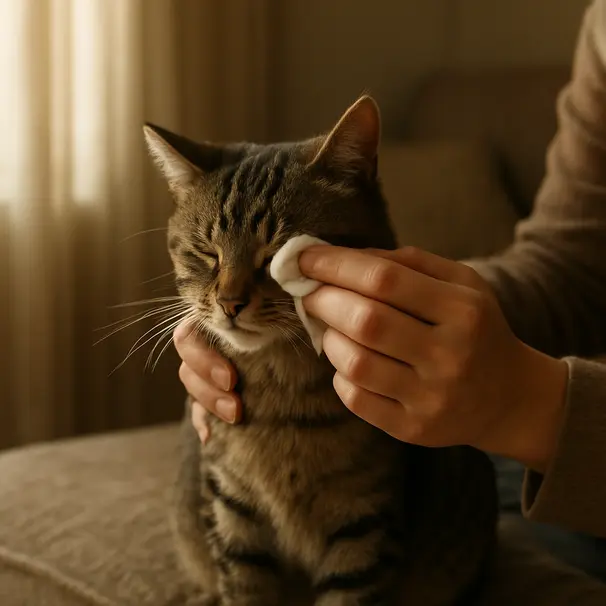
- Find a quiet spot and wrap your cat loosely in a towel if they get squirmy, leaving the head free. Offer praise and a treat first.
- Moisten the cloth or pad with saline. Don’t use alcohol, hydrogen peroxide, or any human eye drops unless a vet specifically advises them.
- Gently wipe from the inner corner outward, using a fresh area of cloth for each wipe to avoid dragging debris back to the eye.
- If there is thick crust, soak it first with the warm, damp cloth to soften before removing.
- Stop if your cat shows strong signs of pain, or if the eye appears cloudy or bleeding. Contact your vet.
Cleaning frequency: once or twice daily is often enough while monitoring. Over-cleaning can irritate the skin.
When to use a warm compress: A warm, damp compress can soothe eyelids and loosen dried discharge. Hold it comfortably against the closed eye for 30–60 seconds, repeat a few times, then wipe gently.
Medication note: don’t apply ointments or antibiotics unless prescribed by a vet. Wrong products can harm the eye.
When to see the vet right away
Some situations need prompt attention:
- One eye is suddenly very red, painful, or swollen
- Your cat is squinting or keeps the eye closed
- Thick green or yellow discharge or a strong smell
- Bloody discharge or cloudiness in the eye
- Changes in vision or bumping into things
- Discharge plus lethargy, fever, or loss of appetite
If you’re unsure, call your vet and describe symptoms. They may ask for photos or suggest bringing your cat in for an exam.
Prevention and household tips
Keeping your cat’s eyes healthy often comes down to environment and routine.
- Keep litter and bedding clean to reduce dust and irritants.
- Avoid aerosol sprays and heavy perfumes around pets.
- Trim face fur for flat-faced breeds so hair doesn’t irritate the eyes.
- Wash hands between handling multiple cats to reduce spread of infectious causes.
- Maintain vaccinations and regular vet check-ups, which can catch problems earlier.
Tracking helps: take photos when you notice discharge, note time of day, which eye, and any other signs. That log can be incredibly helpful to your vet.
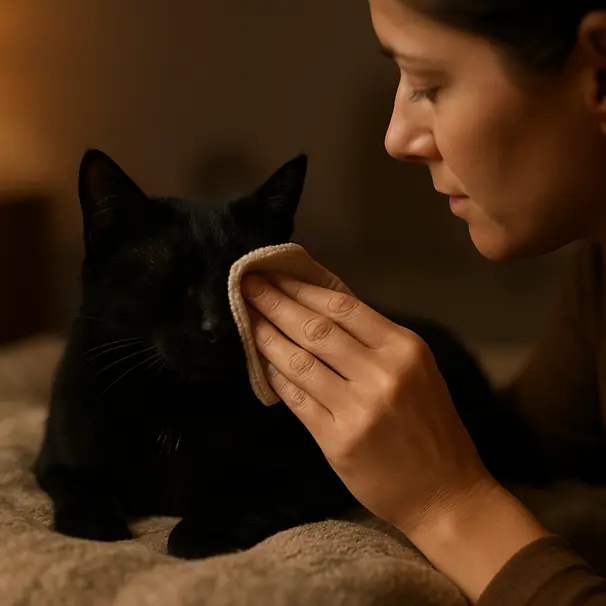
Tips for pet carers and sitters
If you’re caring for someone else’s cat, being observant and communicative matters.
- Ask owners for baseline photos of the cat’s eyes so you can spot new changes.
- Keep a record of cleaning times and any treatments given.
- Use separate towels and discard or wash after use to avoid cross-contamination.
- If a cat seems painful or the discharge worsens, contact the owner and recommend veterinary care.
- Be gentle during handling and use treats to keep the cat calm.
Clear communication builds trust: share photos, notes, and any small improvements or concerns.
Administering eye meds: practical pointers
If a vet prescribes drops or ointment, these steps can make apps easier.
- Prepare everything within reach: medication, a tissue, treats, and someone to help if needed.
- Wrap the cat briefly in a towel if needed, leaving the head exposed.
- Tilt the head back slightly, gently pull down the lower eyelid to create a small pocket, and apply the drop or a tiny bit of ointment.
- Reward immediately and keep sessions short. Positive reinforcement helps future treatments go smoother.
If your cat strongly resists, ask the vet for an in-clinic demonstration or alternative options.
FAQs
Q: My cat has brown tear stains. Is that bad? A: Brown stains are common in tear overflow and can be cosmetic. They may mean a blocked tear duct or pigments in the tears. If they change quickly or are accompanied by other symptoms, check with your vet.
Q: Are eye wipes for humans safe for cats? A: Not always. Many human products have fragrances or chemicals that irritate cats. Stick to sterile saline or vet-recommended wipes.
Q: Can contagious eye issues spread between cats? A: Yes, infections like conjunctivitis can spread. Isolate affected cats and practice strict hygiene until a vet confirms it’s non-contagious.
Final thoughts: trust your instincts and the experts
A little crust in the morning is often nothing to worry about, but changes in color, quantity, or behavior deserve attention. Gentle cleaning, reducing irritants, and careful monitoring can make a big difference. When pain, pus, cloudiness, or systemic signs appear, consider a vet appointment—early care can prevent bigger problems.
If you’re a carer, detailed notes and photos are incredibly valuable for owners and vets. And for owners, keeping calm, prepared, and observant helps your cat feel safe and speeds recovery.
If you’re ever in doubt, contact your vet. They can help decide whether home care may be enough or if professional treatment is needed. Your cat’s eyes are worth the extra care.
- Quick checklist: clean gently, watch for color and behaviour changes, take photos, consult a vet if severe.
Thanks for reading, and give your kitty some gentle head rubs for me.