

Cat headbutts: a small gesture with a big meaning
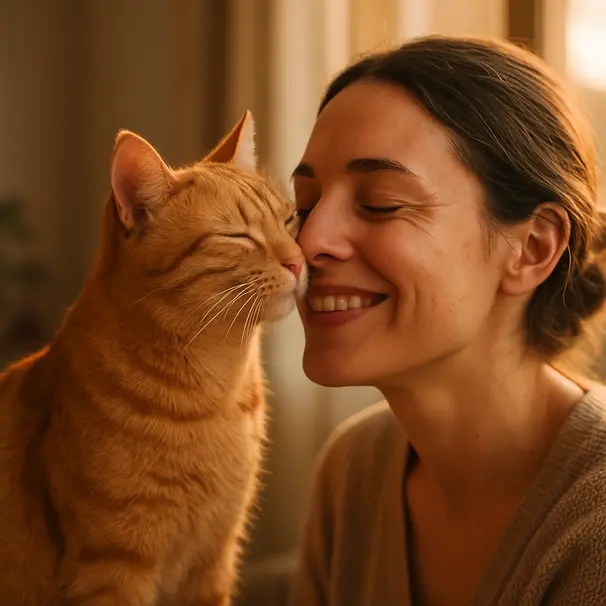
If your cat ever leans in and presses their forehead to your cheek, hand, or leg, you probably felt a rush of delighted surprise. That tiny bump, sometimes called a headbutt or bunting, is one of the clearest ways cats communicate closeness. It can also be confusing, because the same soft push might be a greeting, a claim, or a plea for snacks. This guide helps pet owners and carers understand those friendly bumps, read the wider body language, and respond in ways that build trust and comfort.
What exactly is a headbutt?
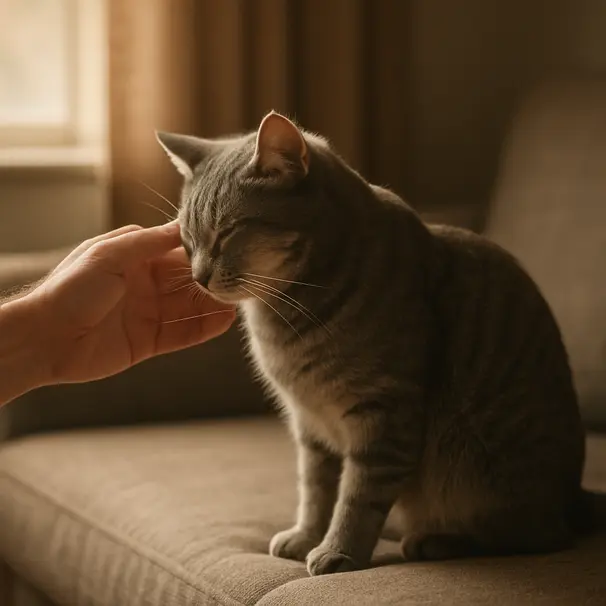
A headbutt is a deliberate, gentle pressing of a cat’s forehead and sometimes cheeks against a person or object. Cats have scent glands on their heads, especially around the cheeks, chin, and forehead. When they press those areas against you, they transfer their scent. That smell is subtle to us, but to a cat it feels like leaving a familiar signature. Over time, headbutting becomes part of how cats signal bonding, familiarity, and ownership.
Bunting, scent, and social glue
Cats are scent-focused animals. By rubbing and pressing their head on you, they mix their scent with yours. That creates a shared smell profile, which can calm a cat and help them recognize their social group. In a multi-cat household, bunting can create bonds between cats. With humans, it often translates as a feline version of trust and friendship.
Not always the same reason
A headbutt can mean slightly different things depending on the situation. It might be a relaxed hello, a request for attention, a mild territorial claim, or a reassurance-seeking gesture. Context, timing, and the rest of the cat’s body language give the clues you need.
Read the whole body language, not just the bump
The headbutt is most informative when you notice it alongside other signals. A full picture helps you respond in the right way.
- Eyes: Slow blinking or soft, half-closed eyes usually mean contentment. Wide, fixed pupils could signal excitement or stress.
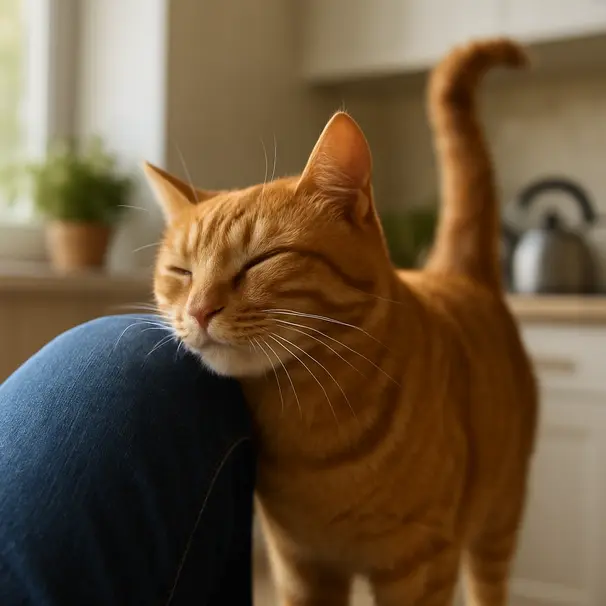
- Tail: A relaxed tail or a tail upright with a small curl at the top often shows confidence and friendliness. A puffed-up or twitching tail might mean agitation.
- Ears: Forward ears are curious and comfortable. Ears flattened to the side or back suggest fear or irritation.
- Posture: A loose, wiggly body means the cat is relaxed. A stiff posture or crouch can mean tension.
When a headbutt comes with soft blinking, an upright tail, and relaxed body language, you can take it as a friendly, affectionate gesture.
Common meanings behind headbutts
Here are the everyday translations of that gentle push, with practical examples.
Greeting and welcome: Cats often headbutt when you return home, as if to say, “Good to see you.” It can be a quiet hello before they solicit pets or food.
Marking territory: Headbutting helps a cat spread their scent and claim an object or person as part of their environment. It is usually a calm, confident action rather than an aggressive one.
Bonding and social cohesion: In multi-cat groups, bunting builds a shared scent profile. With people, it helps cats feel like you belong to their social circle.
Attention or resource request: If a cat nudges your hand and then rubs their head, they may want petting, feeding, or play. Watch the timing; a headbutt near mealtime is often a polite reminder.
Comfort and reassurance: Cats may press their head against you when they feel unsure or need calm. The scent exchange can be soothing for them.
How to respond to a headbutt
Your reaction matters. Responding in ways that match the cat’s mood strengthens trust.
If you want to reciprocate, offer a gentle forehead touch or a slow blink back. Cats read a slow blink as nonthreatening.
Pet where the cat likes it. Many cats enjoy cheek and chin scratches, close to the scent glands they used. Avoid the top of the head unless you know the cat likes it.
If you need to move away, do it slowly and gently. A sudden pull-back can startle or stress the cat. Use a calm voice and a soft hand on the shoulder to ease separation.
If the cat appears to be asking for something, check timing. Is it near meal time, or does the cat seem bored and want play? Offer an appropriate response, like a small treat or a short play session.
Never punish a headbutt. It is a social behaviour. Punishing can erode trust and increase stress.
When a headbutt might mean worry
Most headbutts are positive, but sometimes they can signal unease. If your cat is headbutting while showing other anxious signs, consider these possibilities.
Seeking comfort during stress: New environments, loud noises, or changes at home can make a cat seek reassurance. They might headbutt you more than usual.
Health-related fussiness: If headbutting is paired with unusual clinginess, changes in appetite, vocalisation, or litter box issues, consider consulting your veterinarian. These could be subtle signs something else is going on.
Overstimulation warning: Some cats give a headbutt and then suddenly swat or bite when petted. That can be a fast escalation from pleasure to overstimulation. Learn the cat’s tolerance levels and stop before the threshold.
Always consider consulting a vet or a cat behaviorist if you notice abrupt changes in behaviour, or if headbutting is part of a pattern that includes stress or aggression.
Headbutts and pet carers: practical tips for visits and meet-and-greets
Pet carers often meet unfamiliar cats. Headbutting can be a blessing, but it’s important to read cues and respect boundaries.
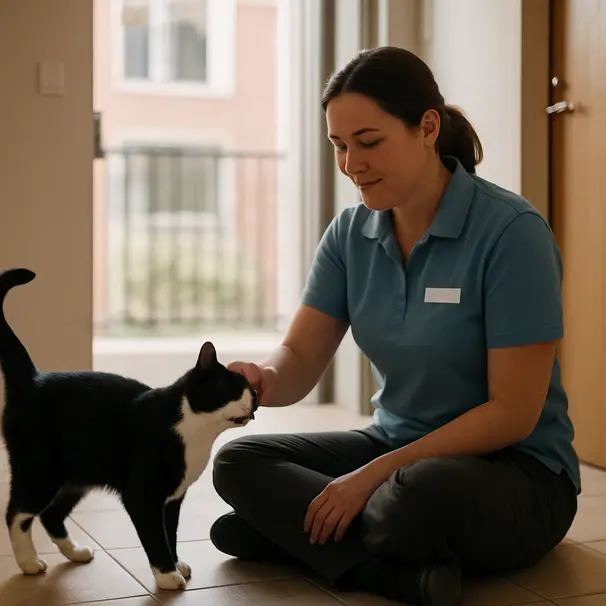
Let the cat approach you. Extend a finger or the back of your hand at a low level and let them sniff. If they headbutt, respond gently with a soft tone and slow pet.
Match energy. Calm, quiet movements help nervous cats feel safe. Avoid looming over a cat or quick reaches.
Keep interactions short at first. A few minutes of positive contact, then a break, builds trust faster than prolonged handling.
Offer the cat choices. Sit on the floor if possible, put out a hand for headbutts, and allow the cat to move away whenever they want.
Note individual preferences in the pet profile. Some cats love chin scratches, others prefer pets near the shoulders. Record favourite responses for the owner.
Training and enrichment that supports bonding
Encouraging positive interactions helps cats headbutt more often and build stronger bonds.
Positive reinforcement: Reward calm approaches and friendly bunting with a soft treat or a short brush session. The reward strengthens the association between you and pleasant experiences.
Gentle play: Short play sessions provide mental and physical stimulation. A satisfied cat is more likely to be relaxed and show affectionate behaviours.
Scent enrichment: Pheromone diffusers or safe-scent toys can reduce stress in nervous cats. They may feel more comfortable approaching and headbutting.
Routine: Cats love predictability. Regular feeding, play, and quiet time help them feel secure and more likely to show friendly behaviours.
Safety and boundaries
Respecting a cat’s limits keeps both of you safe and happy.
Read the signs that say “stop.” Quick tail flicks, stiffening, flattened ears, or a turning head after a headbutt can mean the cat wants space.
Avoid forcing contact. If a cat turns away or walks off after a headbutt, let them go. Following or restraining can escalate fear.
Protect children with clear rules. Teach kids to wait for a low, calm cat to approach and not to pull or hug tightly after a headbutt.
For carers, use protective advice in the pet profile. If a cat is easily overstimulated, flag it so future carers know how to manage interactions.
Quick practical tips — do’s and don’ts
- Do offer a slow blink back to show you are relaxed.
- Do pet where the cat prefers, often under the chin or around the cheeks.
- Do move slowly if you need to step away.
- Don’t yank your hand away quickly when headbutted, it can startle the cat.
- Don’t punish a cat for nudging you, that damages trust.
- Don’t assume every headbutt means “pet me now”; check other body cues.
Short FAQ
Q: My cat keeps headbutting my face while I sleep, is that normal? A: Many cats headbutt during sleep or early morning to wake you, ask for food, or seek closeness. Consider setting a small routine for feeding and affection to reduce early morning nudges.
Q: Is it okay to headbutt a cat back? A: Yes, a gentle forehead touch or slow blink can be a friendly reciprocation. Keep movements calm and respectful.
Q: My cat headbutts then bites, why? A: Some cats transition from affectionate to overstimulated quickly. Learn their tolerance and stop petting before they reach their threshold. Short, frequent interactions can help.
Q: Do all cats headbutt? A: Not all cats do it as often, but many show some form of cheek or head rubbing. Personality, early socialisation, and individual preference all play a role.
Final thoughts
A headbutt is one of the sweetest little gifts a cat can give. It may be as simple as a hello, or as meaningful as a tiny exchange of trust and scent. Pay attention to the whole conversation your cat is having with body language, match their energy, and respond with patience. For pet carers, learning these signals builds stronger, safer relationships with the cats you look after. Enjoy those gentle bumps, they are feline ways of saying you belong in their world.
If you ever notice sudden changes in headbutting frequency, or other unusual behaviours, consider checking in with a vet to rule out health issues. Otherwise, let those forehead presses remind you that you are loved, at least in cat terms.