

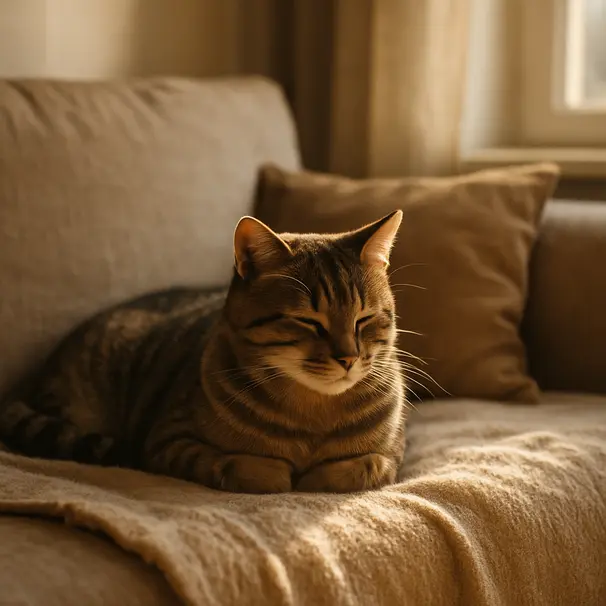
Cat lethargy: what it looks like and why it matters
It’s normal for cats to sleep a lot. But lethargy is different from a content nap. Lethargy means your cat is unusually low in energy, reluctant to move, or less responsive than normal. As a pet owner or carer, noticing the nuance between “sleepy” and “not right” can make all the difference.
Cats hide discomfort, so small changes can point to something bigger. This guide explains common causes, what you can check at home, when to call the vet, and how carers can help keep cats safe and comfortable.
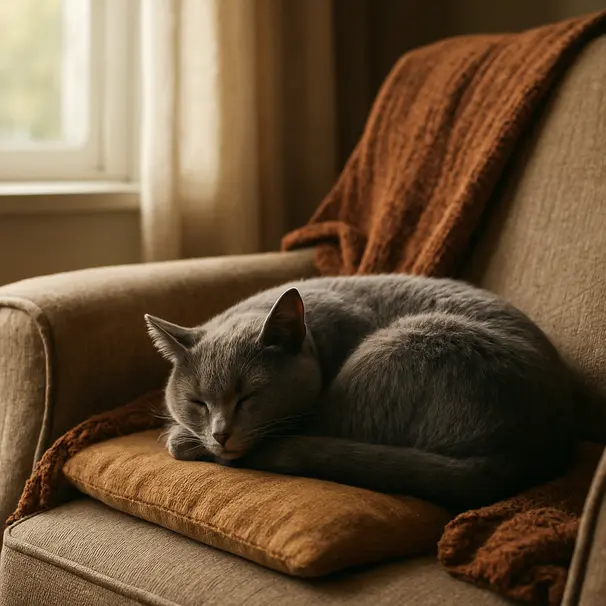
How to tell lethargy from normal cat behaviour
Cats have individual rhythms. A young indoor cat may race around at dawn, while an older cat naps through the day. To tell if lethargy is present, compare current behaviour with the cat’s usual baseline.
Signs to watch for:
- Lower activity: less play, fewer jumps, staying in one spot longer.
- Reduced grooming: a greasy or matted coat can signal low energy.
- Appetite changes: eating much less or not at all.
- Hiding more than usual, or avoiding interaction.
- Slow movements, stumbling, or reluctance to climb.
- Fewer vocalisations or responding more slowly.
If you notice several of these signs, or if they come on quickly, consider a health check.
Common causes of lethargy in cats
Lethargy is a symptom, not a diagnosis. Here are common categories that may cause a cat to feel wobbly or tired.
Medical and physiological causes
- Infections: Viral or bacterial infections can sap energy. Upper respiratory infections and systemic infections may cause a cat to sleep more and eat less.
- Pain: Arthritis or dental pain can make a cat move less and hide more.
- Metabolic issues: Conditions like kidney disease, hyperthyroidism, or diabetes can change activity levels.
- Anemia: Low red blood cell counts can produce weakness and lethargy.
- Toxins: Ingesting certain plants, human medications, or household chemicals may cause sudden lethargy.
- Parasites: Heavy flea infestations or intestinal parasites can leave a cat tired.
- Heart and respiratory problems: Trouble breathing or poor circulation often causes reduced energy.
Behavioural and environmental reasons
- Stress and anxiety: Changes at home, new pets, or loud noise can cause a withdrawn, listless cat.
- Depression-like states: Grief after losing a companion or loss of routine may lead to low activity.
- Boredom and lack of enrichment: Indoor cats without stimulation may appear lethargic.
Age-related changes
Older cats naturally slow down, but sudden increases in sleep or decreased mobility should be checked. Age-related conditions can be managed, and supportive care may improve quality of life.

Simple home checks you can do right away
Before panicking, there are some practical checks a carer or owner can do. These steps can help you gather useful information for the vet.
- Observe appetite: Has the cat eaten in the last 12–24 hours? Any vomiting or diarrhea?
- Check drinking and litter box: Less drinking, concentrated urine, or not using the litter can be important clues.
- Look at gums: Pale gums may suggest anemia; bright red or jaundiced gums are also notable. Only gently pull back the lip and look for color changes.
- Feel the body: Is the cat warm or cold? Any lumps, swelling, or obvious pain when touched?
- Monitor breathing: Is the cat breathing faster or more shallow than usual?
- Note behaviour changes: Keep a log of the time symptoms started, appetite, bathroom habits, and any unusual signs.
These observations can help your vet triage and decide which tests to run. Avoid giving human medications; some are toxic to cats.
When to call the vet: red flags and timeframes
Some situations need immediate attention, others can be monitored briefly. If you’re unsure, it’s better to call and get professional advice.
Call the vet right away if you see:
- Trouble breathing, open-mouth breathing, or blue/pale gums.
- Collapse, severe weakness, or inability to stand.
- Seizures or repeated vomiting.
- Severe trauma such as being hit by a car or a fall from height.
- Sudden, marked changes in behaviour and responsiveness.
Make an appointment within 24 hours if:
- Appetite is greatly reduced or absent for more than 24 hours.
- The cat is lethargic and hiding for a day or two with no improvement.
- Persistent vomiting, diarrhea, or not urinating.
- Signs of pain like vocalising, limping, or guarding a body area.
If lethargy is mild and the cat is eating, drinking, and using the litter normally, you might monitor closely for 24–48 hours, but keep notes and consider contacting a vet if you see any worsening.
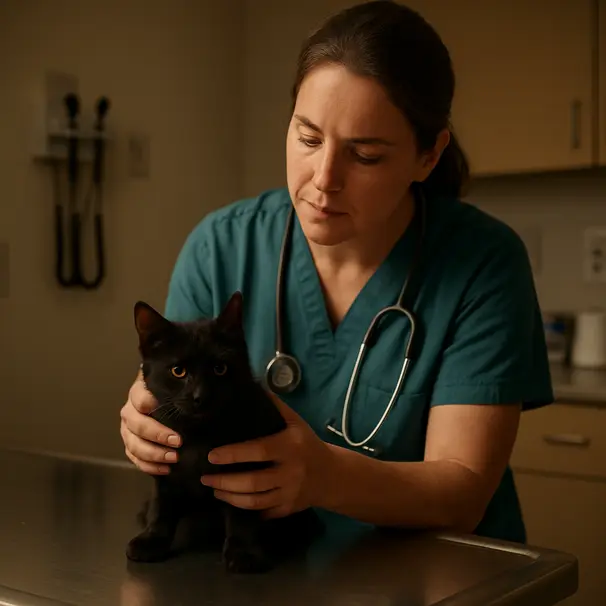
What a vet may do to find the cause
When you take your cat in, the vet will likely start with a thorough history and physical exam. Tests that may be recommended include:
- Blood tests: A complete blood count and chemistry panel can reveal infections, anemia, organ function, and metabolic issues.
- Urinalysis: Helpful for kidney problems, infections, and sugar in the urine.
- Imaging: X-rays or ultrasound may be used to look for internal issues or injuries.
- Specific tests: Thyroid checks, FeLV/FIV testing, or parasite screens if indicated.
These tests can help identify treatable conditions. Treatment might be as simple as fluids and antibiotics, or it may involve longer-term management like medication for chronic disease.
At-home supportive care while you wait
If your vet advises monitoring or if you’re waiting for an appointment, certain supportive steps can help keep your cat comfortable.
- Keep them hydrated: Offer fresh water and consider encouraging drinking with a water fountain or diluted low-sodium chicken broth. Hydrolysed or electrolyte solutions made for pets may be suggested by your vet.
- Warmth and quiet: Provide a cozy spot away from household noise and drafts.
- Entice eating: Warm a little wet food to enhance aroma, or offer a favored treat. Small, frequent meals may be easier to manage.
- Gentle encouragement to move: Short, calm coaxing can help maintain circulation. Avoid forcing activity.
- Monitor closely: Record food, water, and litter box habits, plus temperature if you can take it safely.
If you have a pet carer, give them a clear checklist: times you saw symptoms, food offered, water intake, and any medications the cat takes. That information is invaluable.
Preventing episodes of lethargy
You can reduce the risk of some causes of lethargy with everyday care:
- Routine vet checkups: Annual wellness exams can spot problems early.
- Vaccination and parasite control: These help prevent infections that may sap energy.
- Balanced diet: Appropriate nutrition supports immune and organ health.
- Dental care: Pain from teeth can make a cat quiet and withdrawn; regular checks often help.
- Enrichment: Play sessions, puzzle feeders, window perches, and scratching options keep cats mentally and physically active.
Small habits, like weighing your cat at home every few weeks or keeping a log of behaviour changes, help you notice subtle declines sooner.

Working with carers: communication and emergency planning
If you hire carers through a marketplace like Floofy, clear communication is key. Share the cat’s normal routine, medical history, medication instructions, and specific signs that would prompt a call to you or the vet.
A simple emergency plan for carers can include:
- Primary and backup vet contact details.
- Permission level for seeking urgent care.
- Where to find medical records and any current medications.
- A short list of red-flag signs that require immediate reporting.
Carers who can recognise subtle changes and report them quickly are a great asset. Encourage them to log feeding times, litter box visits, and behaviour notes during each visit.
Final thoughts: trust your instincts
You know your cat best. If something feels off, don’t hesitate to reach out for professional advice. Lethargy can be a sign of many different problems, and early detection often makes treatment simpler and more effective.
Make a habit of observing small details, keeping a clear log, and building a relationship with a vet and trusted carers. With a calm, practical approach, you’ll be prepared if your cat needs extra care.
If you want, save this guide and share it with your pet carer on Floofy to help everyone spot the signs sooner and act faster. Your cat will thank you in purrs—or at least in extra cuddles when they feel better.