

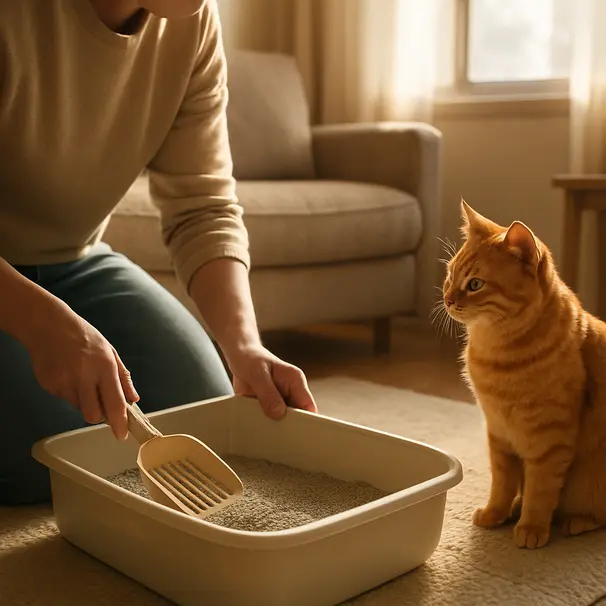
Cat poop frequency guide
Keeping an eye on your cat’s bathroom habits might not sound glamorous, but it’s one of the best ways to keep a furry friend healthy and happy. Poop frequency and quality can give you clues about digestion, hydration, diet, and stress. This guide will help you understand what’s normal, what may be worth noting, and what actions can help your cat feel better.
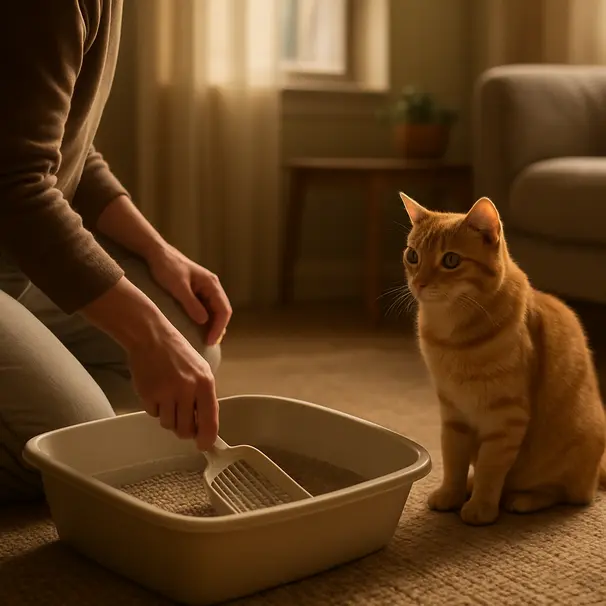
What counts as “normal”?
Most healthy adult cats poop between once and twice a day. Some frequent purr-makers may go up to three times, and a few neat little cats may only go every other day. Kittens, who are growing fast and often eating multiple times a day, may poop more frequently. Senior cats might poop less often, depending on activity, diet, and medical issues.
Think of this as a personal baseline. If your cat usually poops twice a day and suddenly changes to once every three days, that shift matters even if the new frequency might still look acceptable on paper. Tracking your cat’s usual rhythm is the quickest way to spot something off.
Quick frequency reference
- Kittens: several times a day to after meals
- Adult cats: about 1 to 2 times daily, sometimes 3
- Senior cats: varies, can be less frequent
Remember, individual differences are normal. Pay attention to the whole picture: frequency, consistency, color, and how your cat behaves around the litter box.
Factors that affect how often cats poop
A handful of common things influence poop frequency. Understanding these can help you pinpoint why habits change.
Diet and food changes
Protein type, fiber content, and the balance of wet versus dry food can all change stool volume and timing. Switching diets abruptly may cause looser stools or a brief increase in frequency. Consider introducing new food slowly over a week to reduce tummy surprises.
Hydration and food moisture
Cats on mostly dry food tend to produce firmer, smaller stools than those eating a lot of wet food. Increasing wet food or encouraging drinking may soften stools and change frequency, and that can be a healthy shift if hydration improves.
Age and metabolism
Kittens have faster metabolisms and smaller digestive tracts, so they poop more often. Older cats may move less and digest differently, which can mean less frequent stools. Keep an eye on shifts as your cat ages.
Activity and routine
Active cats often have regular, predictable bathroom routines. Changes in activity, such as recovery from injury or a move to a quieter home, can change how often they go.
Stress and environment
Cats are creatures of habit. New people, a new pet, a move, or changes in household routine can lead to temporary digestive upset. Make changes gradually when possible and provide hiding spots, enrichment, and predictable routines to help reduce stress.
Health conditions and medications
Illnesses, parasites, or medications may cause diarrhea or constipation. Some conditions may slow gut movement, while others speed it up. If your cat is on medication, check with your vet about possible digestive side effects and monitoring.
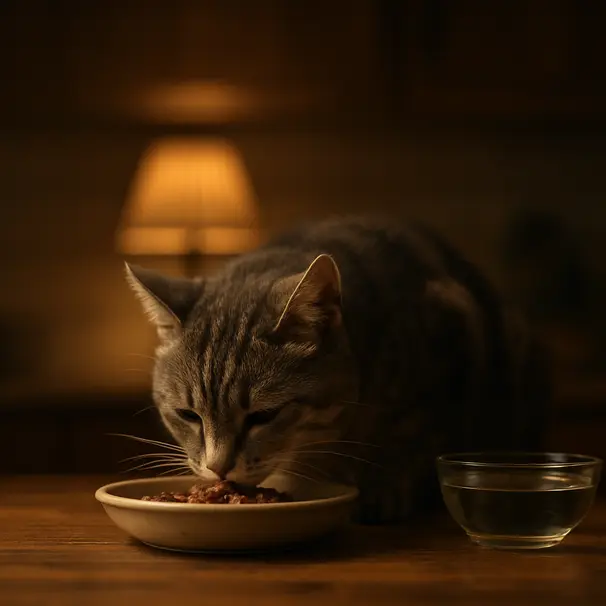
What to watch for besides frequency
Frequency is only part of the story. Use these checkpoints to build a clearer picture.
- Consistency: Healthy stool is firm and log-shaped, not watery or rock-hard. A simple way to think about texture is to imagine playdough, not soup or stones.
- Color: Brown is typical. Very dark, black, pale, or green stools can be worth noting. Bright red blood is urgent. Small streaks of fresh blood may indicate irritation, and old digested blood can appear dark and tarry.
- Smell: While poop never smells like roses, a sudden, extreme change in odor paired with other signs can suggest an issue.
- Straining: If your cat seems to strain, cry, or spend a long time in the box, this may indicate constipation, obstruction, or urinary problems. Always take straining seriously.
- Frequency changes: A sudden increase to many watery bowel movements or a move to no poops for 48 hours in an adult cat should prompt action.
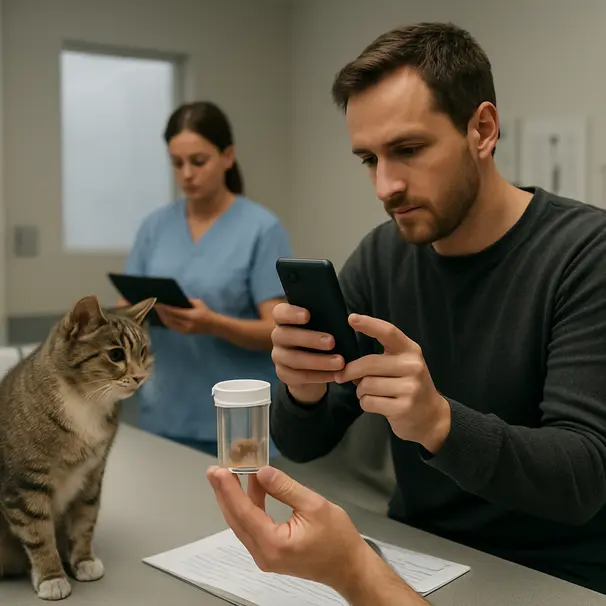
If you’re unsure how to describe consistency, taking a quick photo can help your vet assess what’s going on during a consultation.
When to call the vet
Consider contacting your vet if you see any of the following:
- Diarrhea lasting more than 24 to 48 hours in an adult, especially with vomiting, lethargy, or not eating
- No bowel movement for more than 48 to 72 hours in an adult cat, paired with discomfort or decreased appetite
- Blood in stool, whether bright red or very dark
- Severe, persistent straining or signs of pain
- Sudden and dramatic changes in behavior, appetite, or weight loss
These signs may be caused by minor tummy troubles or more serious conditions. It’s better to ask and get reassurance than to wait until a problem deepens. Your vet may suggest stool testing, a physical exam, or other diagnostics.
Practical tips to keep a healthy poop schedule
Small, consistent changes can help promote regular, comfortable bowel movements.
Keep meal times consistent
Feeding on a predictable schedule helps regulate digestion. Free-feeding can work for some cats, but scheduled meals often create a more reliable poop routine.
Consider food quality and fiber
High-quality protein and balanced diets support steady digestion. A little extra soluble fiber, like a small amount of canned pumpkin (plain, not spiced), may help some cats with mild constipation. Introduce any fiber or fiber-rich food slowly and consider checking with your vet before making significant changes.
Hydration is key
Cats evolved to get most moisture from prey, so encourage drinking with multiple water bowls, running water fountains, and adding wet food if possible. Small increases in daily water intake can make a big difference in stool softness and regularity.
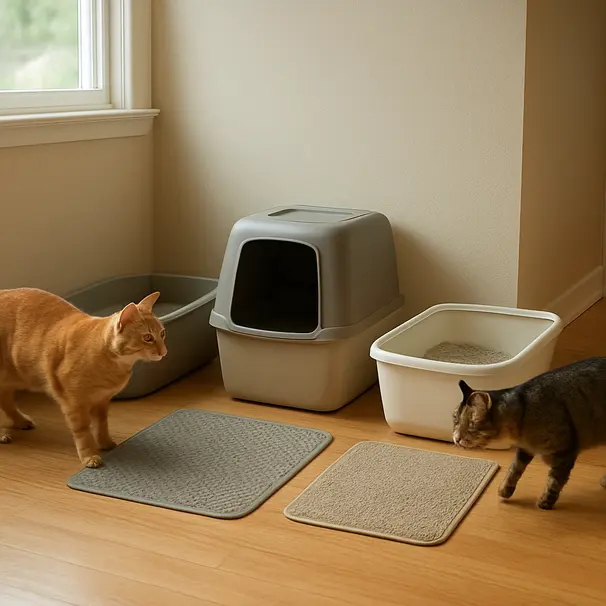
Litter box care and setup
A clean litter box used by a relaxed cat supports normal elimination.
- Scoop daily and fully clean the box weekly.
- Offer one litter box per cat, plus one extra, to prevent avoidance.
- Place boxes in quiet, accessible spots away from loud appliances.
- Try different litter textures if your cat seems picky.
Manage stress and routine changes
Provide hiding spots, puzzle feeders, and regular playtime. When moving or introducing new pets, allow slow, supervised introductions and maintain familiar routines to help digestive habits settle.
Grooming and hairball control
Long-haired cats may swallow hair while grooming, which can affect stool and lead to constipation. Regular brushing, hairball-friendly diets, and occasional hairball paste may help.
Medication and supplement checks
If your cat is on medication or supplements, ask your vet whether they can affect bowel habits. Probiotics may be recommended in some situations and can help balance gut bacteria, but consult the vet first.
Simple monitoring ideas for busy owners and carers
You don’t need to become a full-time poop detective to keep useful records. A short notebook or a note in your phone with these details can help spot trends:
- Date and time
- Frequency per day
- Description of consistency and color
- Any vomiting, appetite change, or unusual behavior
If you use a pet care platform or hand off care to a sitter, a quick daily update with a short note and a photo when something looks different can be very helpful for continuity.
Common myths and misunderstandings
A few myths float around the internet, so here are some gentle clarifications:
- Myth: All cats should poop exactly once a day. Reality: One to two times is common, but individual variation is normal.
- Myth: Hard stools are always dehydration. Reality: Hard stools can result from diet, lack of activity, age, or obstruction. Hydration may help, but check with a vet if it persists.
- Myth: Litter box avoidance is always behavioral. Reality: Medical causes are common. If a cat stops using the box, rule out urinary or gastrointestinal pain first.
Preparing for a vet visit about poop changes
If a vet visit is recommended, being prepared helps. Bring or note:
- A fresh stool sample if possible, stored in a clean container and kept cool
- A short log of recent changes in frequency, consistency, appetite, and behavior
- Photos showing abnormal stool appearance
- A list of current foods, treats, supplements, and medications
This information helps your vet make quicker, more accurate recommendations.
Final thoughts
Poop might not be glamorous, but it’s one of the clearest signals your cat gives about how comfortable their body feels. A steady routine, clean litter box, good hydration, and a balanced diet go a long way. Notice patterns, trust your instincts, and reach out to a vet when something feels off. Small observations can prevent bigger problems later, and your cat will thank you with purrs and extra cuddles.
If you’re using a pet carer through Floofy, share your cat’s normal bathroom rhythm and any special needs. Clear communication helps carers keep routines consistent, and that consistency can mean calmer, healthier cats.
Happy scooping, and may every litter box moment be pleasant and predictable.