

Cat ringworm: causes & cures
Ringworm sounds like a mysterious name, but it is a common fungal skin infection that can affect cats, people, and other animals. If you spot scaly patches, thinning fur, or a stubborn sore on your cat, it can be alarming. This guide walks you through what ringworm may look like, how it spreads, how a vet may diagnose it, treatment options you can expect, and practical steps to keep your home and family safe.
What is ringworm?
Ringworm is not actually a worm. It is caused by a group of fungi called dermatophytes that feed on the outer layers of skin, hair, and nails. In cats, these fungi can create round, itchy, or scaly patches, patches of hair loss, and sometimes red or crusty skin. Some cats show clear signs, and others may carry the fungus without obvious symptoms.
Why this matters, practically: ringworm can spread to other pets and people, and it can hang around in the environment for months if not cleaned properly. If you suspect ringworm, consider contacting a vet for guidance on diagnosis and treatment.
How cats get ringworm
Ringworm may spread in a few common ways:
- Direct contact with an infected animal, even if that animal looks healthy.
- Contact with contaminated objects, such as bedding, brushes, furniture, or carpets.
- From contaminated soil in outdoor areas, though this is less common in indoor-only cats.
Kittens and elderly cats may be more vulnerable because their immune systems are less able to fight off the fungus. Stress, underlying illness, and skin injuries can also make a cat more likely to develop symptoms.
Risk factors to watch
- Multiple-cat households, shelters, or catteries, where close contact makes spread easier.
- Shared grooming tools and bedding.
- Outdoor cats that mix with stray or unknown animals.
If you care for multiple pets or work as a pet carer, keep an eye out for any suspicious lesions and consider protective measures such as frequent hand washing and isolating a suspect animal until a vet has checked them.
Signs and symptoms to look for
Ringworm can be maddeningly variable. Some cats show dramatic circular bald patches. Others have tiny scaly spots or hardly any visible change at all.
Common signs include:
- Round or irregular areas of hair loss, often with scaly or crusty skin.
- Itchy or inflamed patches, though itching may be mild or absent.
- Broken hairs that look brittle or stubby.
- Thickened or discolored claws in some cases.
- A greasy or flaky coat in affected areas.
Because symptoms can overlap with flea allergy, bacterial infections, or other skin conditions, a vet visit is helpful to narrow down the cause.
How a vet may diagnose ringworm
A vet will usually use one or more of these approaches to reach a diagnosis:
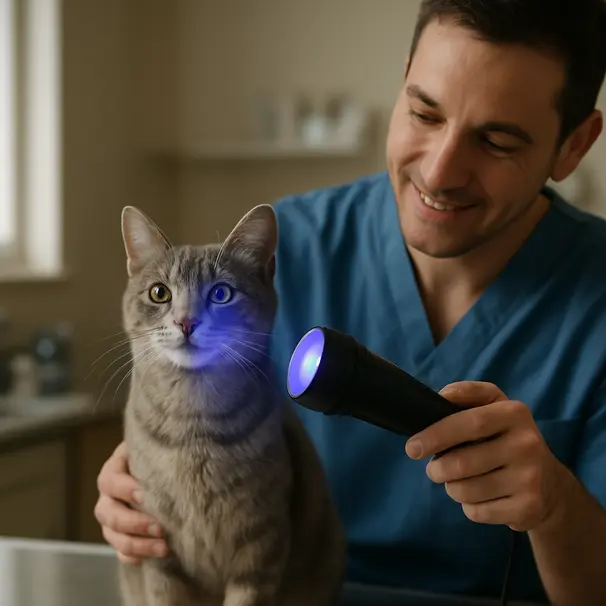
- Wood’s lamp exam: a dark lamp that may make some species of dermatophyte fluoresce. It can be a quick clue but is not definitive for all cases.
- Microscopic examination: plucking hairs and looking for fungal elements under a microscope.
- Fungal culture: placing hair and skin scrapings onto culture media to see if the fungus grows. This can take one to three weeks but is a reliable test.
- PCR testing: some clinics offer molecular tests that may detect fungal DNA more quickly.
A practical tip: cultures can produce false negatives early in infection. If a vet suspects ringworm but culture is negative, they may recommend repeating tests or starting treatment while monitoring response.
Treatment options your vet may suggest
Treatment usually aims to clear the fungus from the cat and reduce environmental contamination. Your vet may recommend one or a combination of approaches:
- Topical therapy: medicated shampoos, dips, or ointments applied to the affected areas, often using products containing miconazole or chlorhexidine. These can help reduce fungal spores on the skin and coat.
- Systemic antifungal medications: oral drugs such as itraconazole or terbinafine may be prescribed for several weeks. These medications may help treat more widespread or stubborn infections.
- Spot treatment: in some cases, creams or ointments applied to small lesions can be effective.
- Environmental cleaning: thoughtful cleaning is part of treatment, because spores can persist in the home.
Keep in mind that fungal infections can take time to resolve. Treatment often continues for weeks, and vets may recommend continuing therapy until diagnostic tests show the fungus is gone. Also consider possible side effects of oral medications; your vet may suggest blood tests to monitor liver function if systemic treatment is used.
Managing treatment at home
- Follow dosing instructions closely. Missing doses may prolong infection.
- Use gloves when handling topical medications or when touching the infected cat, especially if you have cuts on your hands.
- Bathe or dip your cat as directed, using lukewarm water and gentle, pet-safe products. Many cats dislike bathing, so be calm and patient, and consider asking a professional groomer or vet nurse for help if needed.
- Keep a close eye on the cat’s appetite, behavior, and any signs of medication side effects. Report concerns to your vet promptly.
Cleaning your home to reduce spores
Because fungal spores survive in the environment, cleaning is an important part of curing ringworm.
Practical cleaning steps:
- Wash bedding, blankets, rugs, and removable furniture covers in hot water and detergent. Consider drying on high heat when fabric allows.
- Vacuum carpets, rugs, and upholstery frequently, then discard the vacuum bag or empty canister contents outdoors to reduce indoor recontamination.
- Wipe hard surfaces with a diluted bleach solution, typically one part household bleach to 10 parts water, or use vet-recommended antifungal cleaners. Test surfaces first to avoid damage to finishes.
- Clean grooming tools, litter boxes, food bowls, and toys with hot soapy water followed by a disinfectant.
- Steam cleaning soft furnishings and carpets can help reduce spore load, but it may not eliminate spores entirely.
A realistic approach: cleaning takes consistent effort. You may not need to disinfect everything every day, but regular, focused cleaning will reduce the chance of re-infection of your cat or spread to other household members.

Keeping people and other pets safe
Ringworm can spread to people, often showing as a round, red, itchy patch on the skin. Children, elderly people, and those with weakened immune systems can be more susceptible.
Steps to protect your family and other animals:
- Wash hands with soap and water after touching the infected cat, its bedding, or grooming tools.
- Consider wearing gloves while applying topical treatments or cleaning contaminated items.
- Keep the infected cat in a single room where cleanup is manageable, until a vet advises otherwise.
- Disinfect surfaces and laundry as described above.
- If someone in the household develops suspicious skin lesions, they should see their doctor for evaluation.
If you care for other animals, monitor them closely for signs and consider asking your vet about screening or preventive measures.
Prevention tips for the future
Some practical habits can lower the risk of ringworm returning:
- Keep new cats or kittens separated until a vet has had a chance to check them, especially if you adopt from shelters.
- Avoid sharing grooming tools among multiple animals unless they are cleaned between uses.
- Maintain good general health for your pets, including balanced nutrition and parasite control, to support their skin barrier and immune system.
- Manage stress in multi-cat homes by providing hiding spots, vertical spaces, and routine, because stress may make infections more likely.
Routine checks and early action help. If you spot small patches or unusual flakiness, bring it up with your vet sooner rather than later.
When to call the vet urgently
Ringworm itself rarely causes a life-threatening emergency, but you should call your vet sooner if:
- Your cat seems very unwell, has a fever, or is losing weight.
- Lesions spread rapidly or look inflamed, swollen, or painful.
- You see signs of a secondary bacterial infection, such as pus, a bad smell, or increased redness.
- You or a household member develops a severe or spreading skin reaction.
Your vet can advise whether to come in right away, schedule a diagnostic appointment, or try a watch-and-wait approach with follow-up.
Final thoughts and realistic expectations
Ringworm can be frustrating, but many cats recover well with proper veterinary care and household cleaning. Expect treatment to take several weeks, sometimes longer, and plan for consistent cleaning and monitoring. If you work with pet owners or as a carer, clear communication, protective steps, and routine checks will help protect other animals and people.
If you suspect ringworm, consider consulting a vet for diagnosis and a tailored treatment plan. With patience, practical steps, and a little extra cleaning, most families can manage ringworm and get back to normal pet cuddles.