

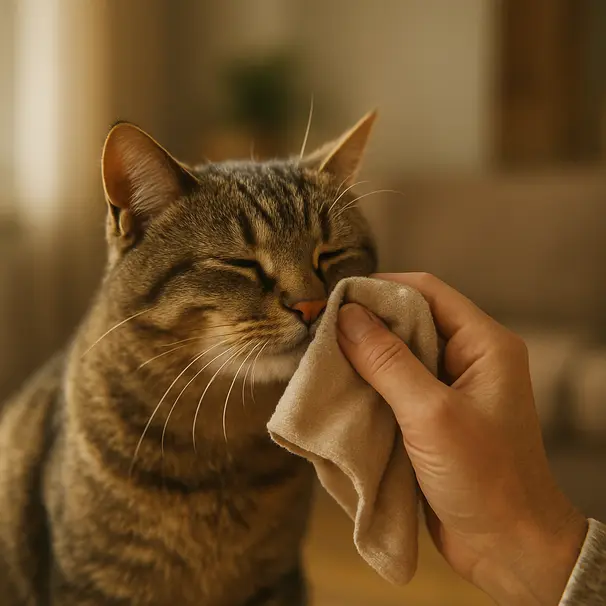
Why a cat might have a runny nose
A wet, dripping nose can make any cat parent pause. Nasal discharge is common, and it can range from a tiny damp spot to a steady stream. The color, consistency, and accompanying signs help point toward possible causes. In this guide I’ll walk you through common culprits, straightforward home care, signs that mean you should see a vet, and helpful tips for pet carers who are supporting someone else’s cat.
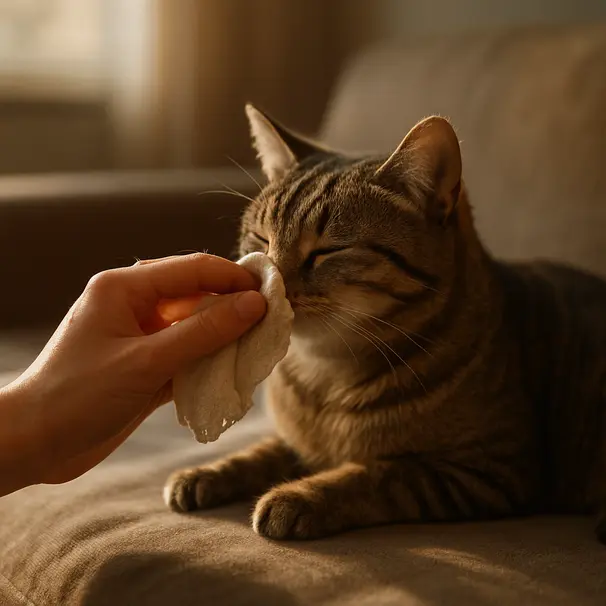
Quick signs to note at home
Before you try anything, take a minute to observe. Write down what you see so you can share it with a vet or a carer. Helpful details include:
- Color: clear, cloudy, yellow, green, or blood-tinged
- Amount: a few drops, constant dripping, or thick crusts around the nostrils
- Other symptoms: sneezing, coughing, eye discharge, lethargy, reduced appetite, or difficulty breathing
- Duration: hours, days, or weeks
- Recent changes: new houseplants, perfumes, new litter, or outdoor exposure
These small notes can speed up diagnosis and treatment, especially when multiple people care for the cat.
Common causes of nasal discharge in cats
Upper respiratory infections
Cats often catch viruses and bacteria that affect their noses and eyes. Feline herpesvirus and feline calicivirus are frequent offenders. These infections usually cause clear to cloudy discharge, sneezing, watery eyes, and sometimes fever. Kittens and older cats may show stronger signs, and symptoms can last from a few days to several weeks.
Bacterial infections
A secondary bacterial infection can follow a viral illness or develop on its own. Bacterial discharge may look thicker or colored, and a vet may consider antibiotics if they suspect bacteria are driving the signs.
Allergies and irritants
Cats can react to pollen, dust, household cleaners, scented candles, or new litter. Allergic nasal discharge is often clear and may come with itching or frequent sneezing. Changing an environmental trigger can sometimes help.
Foreign bodies and nasal mites
Sometimes a tiny seed, blade of grass, or other foreign object lodges in a nostril, causing one-sided discharge, sneezing, and pawing at the face. Nasal mites are rare in many areas but can cause chronic irritation and discharge.
Dental disease
Because a cat’s upper teeth sit close to the nasal passages, an infected tooth or an abscess can lead to nasal discharge on one side. This is worth considering if your cat has bad breath, drooling, or trouble eating.
Polyps, tumors, and chronic conditions
Growths inside the nose, chronic rhinitis, or tumors can cause long-standing discharge, often one-sided. These are less common, but persistent or recurring symptoms should prompt veterinary investigation.
Home-care steps that can help right away
If your cat is bright, eating, and breathing normally, there are several gentle things you can try while you monitor symptoms.
- Clean gently: Use a soft, damp cloth or unscented baby wipe to remove crusts. Warm water on a cloth works well and avoids irritation.
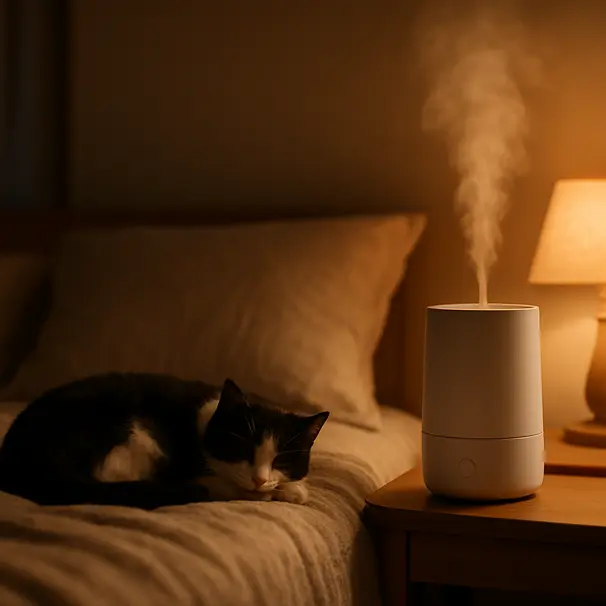
- Keep the air moist: A cool-mist humidifier or short steamy bathroom sessions can loosen thick mucus and make breathing easier. Only use humidifiers on a stable surface and follow the device’s instructions.
- Encourage fluids and food: Offer warmed, aromatic food to tempt appetite. Extra hydration helps mucus thin and supports recovery.
- Rest and quiet: Create a calm, warm spot for your cat to sleep, away from drafts and busy household traffic.
- Minimize exposure to irritants: Stop scented sprays, switch to unscented cleaning products, and avoid strong-smelling foods near the cat.
These measures can ease discomfort, but they are supportive. If symptoms worsen or the cat seems unwell, arrange a vet visit.
When to call the vet sooner rather than later
Some signs suggest a more urgent problem. Contact a veterinarian if you notice:
- Trouble breathing, open-mouth breathing, or blue/pale gums
- High fever, severe lethargy, or collapse
- No eating for more than 24 hours
- Thick green, yellow, or bloody discharge
- One-sided discharge that persists
- Facial swelling, bad breath, or difficulty moving the jaw
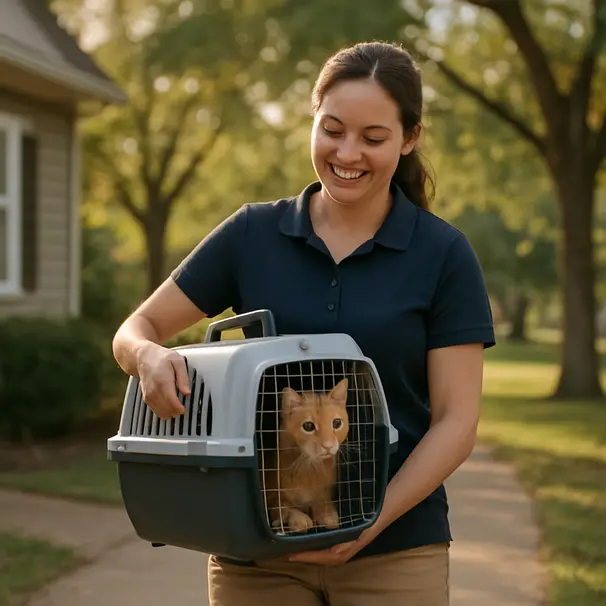
If you’re a pet carer looking after someone else’s cat, call the owner and the vet, and keep a careful record of what you observed and what you did. Transport the cat in a secure carrier and avoid jostling.
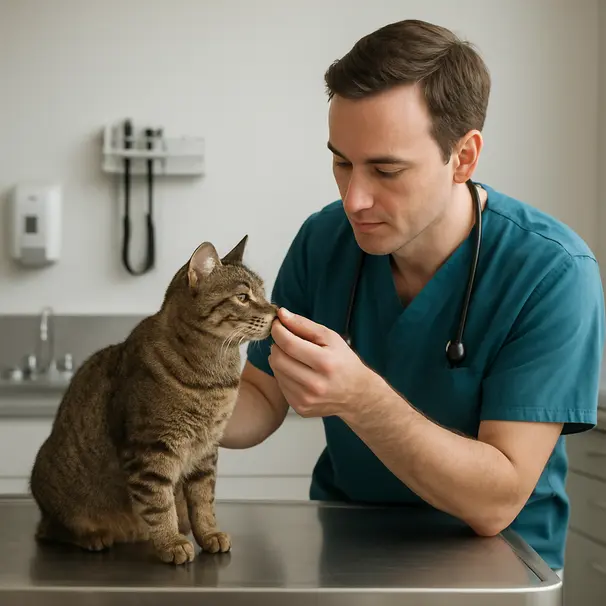
What a vet may do to investigate
A vet will combine a physical exam with targeted tests. Possible steps include:
- Detailed history and close inspection of the nose, mouth, and throat
- Swabs from the nasal passages or eyes for culture or PCR testing
- Bloodwork to assess overall health
- Dental exam and dental X-rays to check for tooth-related issues
- Rhinoscopy or imaging like X-rays or CT scans for deeper problems
Diagnosis helps guide treatment. For example, a viral infection may be managed with supportive care, while a bacterial infection can respond to antibiotics. If a foreign object is present, removal is often curative.
Treatment approaches you may encounter
Avoid guessing prescriptions at home. A vet may suggest any of the following, depending on the diagnosis:
- Supportive care: fluids, rest, and nutrition to help recovery
- Antibiotics: if a bacterial infection is suspected or confirmed
- Antiviral or anti-inflammatory medications: in some cases, to reduce symptoms
- Nasal flushing or removal of foreign bodies under sedation
- Dental treatment for infected teeth
- Surgery, biopsy, or specialized therapy for masses or tumors
Follow the vet’s instructions for dosing, administration, and follow-up. If a cat is prescribed medications, carers should be comfortable giving them and know what side effects to watch for.
Practical tips for pet carers and owners working together
Great care often comes from clear communication and a simple plan. Here are useful habits to adopt:
- Keep a short care sheet: note symptoms, medication times, food preferences, and vet contact details
- Take photos: date-stamped photos of the nose and eyes can show improvement or progression
- Be consistent: if multiple people are involved, confirm who will give medicine and when
- Transport safely: use a secure carrier, and line it with soft bedding that can be changed if it gets messy
- Learn to administer meds: practice with treats or a soft toy before giving real medicine, and ask the vet for a demonstration
These small steps make managing a sniffly cat less stressful for everyone.
Preventing future episodes
Some causes of nasal discharge are avoidable, while others are not. Consider these prevention ideas:
- Vaccinate: core vaccines can reduce the severity of some viral infections. Ask your vet which vaccines are appropriate.
- Keep indoor cats indoor: this lowers exposure to stray cats and infectious agents
- Maintain dental health: regular dental checks and cleanings can prevent tooth-related nasal problems
- Reduce stress: stress can trigger flare-ups of certain viral infections, so provide predictable routines and hiding spots
- Clean environment: limit dusty litter, strong fragrances, and cigarette smoke in the house
A balanced approach helps reduce risk without creating unnecessary worry.
Final thoughts from a fellow cat lover
A runny nose can be a small, fixable annoyance, or a clue to something more serious. Trust your instincts and keep a close eye on appetite, energy, and breathing. Small caregiving steps, gentle cleaning, and a humidifier can help at home. Don’t hesitate to call a vet if you notice troubling signs.
If you’re a carer on Floofy helping a client’s cat, document what you see, communicate clearly with the owner, and follow the vet’s plan carefully. A calm, steady approach will help the cat feel safer and recover more smoothly.
If you have questions about caring for a cat with a runny nose, consider reaching out to your veterinarian for tailored advice. A quick call or appointment can bring peace of mind, and a healthy purr back to your lap.
Quick checklist for a sniffly cat
- Note color, amount, and duration of discharge
- Keep the nose and eyes clean with warm water
- Use a humidifier or short steam session to loosen mucus
- Offer tempting, warm food and fresh water
- Call a vet for breathing problems, very bad smell, or persistent one-sided discharge
- Keep clear records if multiple carers are involved
Cats are resilient, and with warm, attentive care many recover quickly. You’ve got this.