


Cat sense of smell: fascinating facts
If you’ve ever watched a cat pause, sniff the air, and then change direction, you’ve witnessed something central to their world. A cat’s nose is more than a way to find food. It’s a tool for learning, bonding and feeling secure. For pet owners and carers on Floofy, understanding feline scent can make daily life smoother and deepen your connection with the cat in your care.
Why scent matters to cats
Cats use smell to gather information about their environment, other animals and people. Scents carry messages: who’s been here, whether something is safe, where food was left, and even the emotional state of another animal. Because cats have so many scent receptors, tiny cues that we barely notice can be a big deal to them.
Smell helps cats:
- Recognise family members and familiar spaces.
- Decide whether a place or object is safe.
- Communicate with other cats through scent marks and rubbing.
- Track prey or interesting objects while exploring.
Understanding this can change how you approach introductions, travel, feeding and play. Small scent-aware choices can reduce stress for a cat and make carers more effective.
How cats smell: the sensory setup
Cats don’t just rely on their noses. Their sense of smell is supported by special structures and behaviours that make scent information richer.
- Olfactory epithelium: Cats have a much larger surface area of scent-detecting tissue than humans. That helps them pick up faint or complex smells.
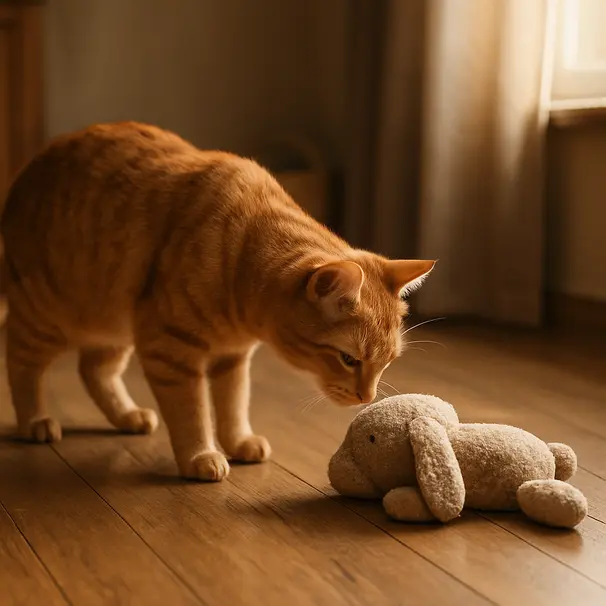
- Vomeronasal organ (Jacobson’s organ): Located in the roof of a cat’s mouth, this organ may detect pheromones and other chemical signals. You might notice a cat curl back its lips and inhale in a distinctive way. That behaviour, sometimes called the flehmen response, can bring scent molecules into the vomeronasal organ for closer inspection.
- Nose-mouth teamwork: Cats often take short sniffs, then open their mouths slightly to sample scents differently. It’s not odd; it’s a way to get more information.
A practical note: changes in breathing, sneezing, or a reduced interest in previously enjoyed foods can be linked to scent changes. If you notice persistent changes, consider consulting a vet to rule out medical causes.
Why smell matters around the home
Scent shapes a cat’s routine. Here are everyday areas where scent plays a role, and what carers can do to help.
- Litter boxes: Cats prefer consistent scent cues. Moving a litter box or switching litter abruptly can be disorienting. Keep boxes in quiet, accessible spots and scoop regularly so strong ammonia smells don’t build up.
- Feeding: A cat that suddenly sniffs food and walks away may be picking up a subtle change in smell. Try offering a small portion of the previous food, warming wet food slightly to enhance aroma, or rotating new food in slowly.
- Sleeping spots: A cat’s bedding holds comforting scents. When pet carers travel or housesit, bringing the cat’s bed or a cloth with the owner’s scent can reduce anxiety.
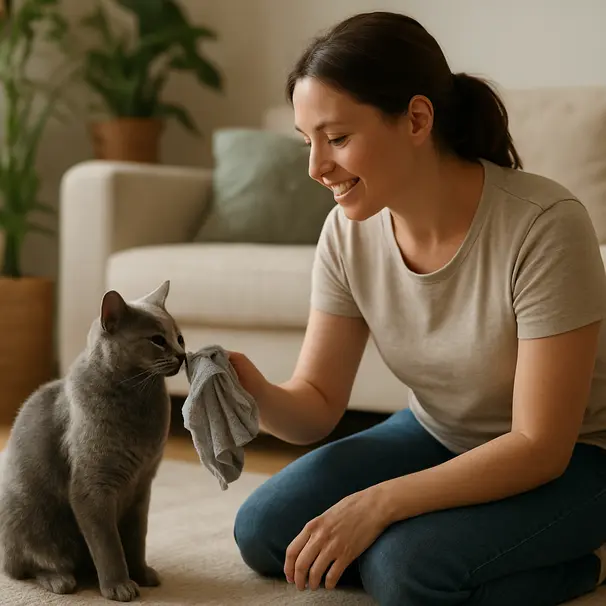
- Multi-cat homes: Scent swapping is a way cats learn about one another. Rubbing a towel on one cat and offering it near another’s favourite resting spot can help gentle introductions.
Scent and social behaviour
Rubbing and bunting are affectionate acts that spread a cat’s scent and make a space feel familiar. When a cat marks a doorway or object, it’s not random. It’s declaring, in scent, that this is part of its world. Carers should watch where cats choose to rub and avoid interfering. Leaving marked items in place can be reassuring.
Enrichment ideas that use scent
Scent-based enrichment is inexpensive, fun and mentally rewarding for cats. Here are practical activities you can try, with safety in mind.
- Sniffing trails: Create a small scent trail using tiny bits of food or a smear of tuna (on a plate) leading to a treat or toy. Let the cat follow at their own pace. This taps into natural foraging instincts.
- Puzzle feeders with scented rewards: Hide small aromatic treats inside a puzzle feeder. The search is both mentally and olfactorily stimulating.
- Scent rotation box: Keep a box with safe, scent-rich items—paper bags, a cloth with catnip, a towel with a familiar human scent. Rotate items weekly to keep interest high.
- Comfortable scent swaps: For short-term carers, ask owners for a worn t-shirt or blanket. A piece of clothing can be a powerful comfort during a new routine.
- Cat-safe scents: Fresh catnip, silver vine and valerian can be enriching for many cats. Introduce these in small amounts and observe the cat’s reaction. Avoid essential oils and unknown plant extracts, as many are harmful to cats.
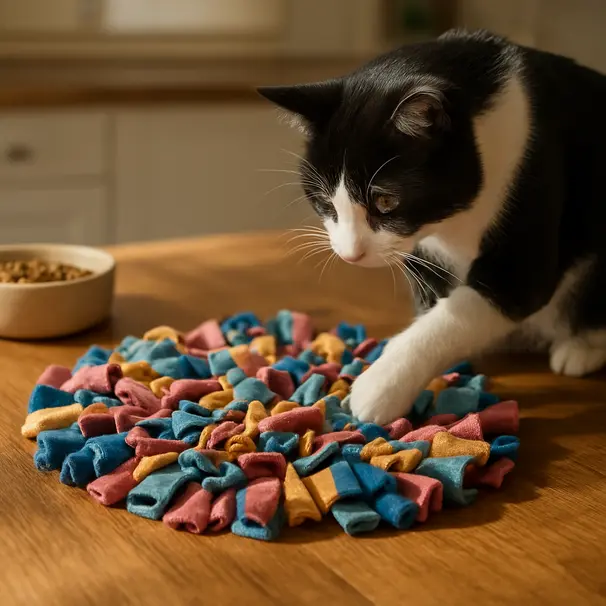
Quick DIY sniff mat: Glue loops of fabric on a rubber mat and tuck kibble into the folds. The cat will use its nose and paws to forage, which can be calming and tiring in a good way.
Safety note: Always avoid feeding or offering substances that contain toxic ingredients. If you’re unsure whether a plant or scent is safe, check reliable sources or mention it to a vet.
Reading smell-related behaviours
Not every sniff or rub needs intervention, but some changes are worth noting.
- Increased scratching or rubbing: This often signals a cat is marking territory or feeling more anxious in a new space. Reassurance and consistent routines can help.
- Sneezing and nasal discharge: Occasional sneezing is normal, but persistent symptoms or loss of appetite could suggest an underlying issue. Consider a vet check.
- Loss of interest in food: A sudden change in eating can be linked to smell. Try warming food to intensify aroma, but consult a vet if the change continues.
- Excessive sniffing without eating: The cat may be investigating a new scent or reacting to something unfamiliar. Give them space and let them investigate safely.
When observing behaviour, keep a short note of what changed, how long it lasted and any other symptoms. That can be helpful if you contact the owner or a vet.
Tips for pet carers on Floofy: building trust through scent
Working as a pet carer is as much about emotional intelligence as it is about practical tasks. Here are simple scent-aware practices that help cats settle quickly.
- Bring familiar items: Always ask owners for a favourite blanket, toy or a worn T-shirt. These items can make a strange place feel safe.
- Keep your scent neutral: Avoid heavy perfumes or aftershaves before meeting a cat. A neutral, consistent scent lets the cat approach without extra confusion.
- Use scent to introduce yourself: If a cat seems cautious, place a hand near their nose and let them sniff at their pace. Don’t force contact. Allowing voluntary sniffing builds trust.
- Respect scent zones: If a cat marks a particular chair or corner, try to leave that territory undisturbed. Moving or cleaning marked items aggressively may make the cat feel insecure.
- Slow introductions in new homes: For the first day, confine the cat to a smaller, familiar-feeling area with bedding and a litter box. Gradually let them explore larger spaces once they’ve relaxed.
- Manage litter scent smartly: Scooping daily, changing litter as recommended, and using unscented litter for sensitive cats can keep their environment consistent.
- Communicate with owners: Ask about any scent sensitivities, favourite treats, or calming rituals. Owners often know small scent cues that make their cat comfortable.
Travel and vet visits: scent-savvy handling
Travel and vet trips are stressful for many cats. Small scent-focused adjustments can help.
- Carrier comfort: Line carriers with bedding that has the cat’s scent. Leave the carrier out at home so it becomes part of their territory rather than a signal of scary travel.
- Pheromone products: Synthetic calming pheromones may help some cats during short-term travel. Consider them as one tool among many, and consult a vet for product choices.
- Quiet arrival: At the vet or a new home, let the cat sniff a towel placed near the exam table before handling. That brief sniff can give them a sense of familiarity.
When scent changes might signal health concerns
A cat’s decreased interest in scents or food can sometimes be linked to health. If you notice a sudden, sustained change in sniffing behaviour, appetite, or respiratory signs, consider suggesting a veterinary check. Use gentle language like “this may be worth checking with your vet” rather than drawing firm medical conclusions.
Final thoughts
Scent is a rich, sometimes invisible language that shapes a cat’s experience. For pet owners and carers, paying attention to smell can make everyday life calmer and more enjoyable for cats. Small actions—bringing a cozy blanket, creating a sniff trail, or respecting scent marks—show deep understanding without much effort.
As a pet carer on Floofy, these scent-aware habits help build trust quickly and show owners you’re tuned into what matters. Enjoy the small sniffing moments; they’re often where real bonds begin.
If you have a scent-related question about a cat in your care, chat with the owner or suggest a vet consultation when you spot persistent changes. And if you’d like more enrichment ideas or help setting up scent trails, the Floofy community is full of carers who love sharing what works.
Happy sniffing, and give that curious nose some friendly space to explore.