

Cat sneezing: causes & when to worry
Cats sneeze. It’s part of being a furry creature with a twitchy nose and curious whiskers. Most of the time a single, occasional sneeze is nothing to lose sleep over. But repeated sneezing, nasal discharge, or other changes can leave you wondering: is this a quick irritation, or something that needs a vet visit?
This article walks you through common causes, clear signs to watch for, practical things you can try at home, and helpful tips for deciding when to contact a vet or a trusted carer. Keep a calm voice, a soft towel, and perhaps a treat ready. We’ll go step by step.
What is a sneeze, really?
A sneeze is a sudden, forceful expulsion of air that clears the nasal passages. In cats, it helps push dust, pollen, or other tiny invaders out of the nose. Cats may also make little snorts or reverse sneezes that sound different from a true sneeze. Occasional sneezes are normal, especially after a sniffy nap in a dusty sunbeam.
But pay attention to frequency and other symptoms. A few sneezes after a vigorous sniff of a dusty closet are different from a cat sneezing dozens of times a day while also having watery eyes and a decreased appetite.
Common causes of sneezing in cats
Irritants and environmental triggers
Household dust, strong perfumes, cooking fumes, cigarette smoke, and even some laundry detergents can irritate a cat’s nose. Indoor plants that shed pollen or dusty cat trees can also trigger sneezing. These causes are often seasonal or related to a recent change in the home.
Upper respiratory infections (URIs)
Cats can pick up viruses and bacteria that affect the nose and throat. These infections may cause frequent sneezing, a runny nose, eye discharge, and reduced appetite. Kittens and older cats can be more vulnerable, and infections may spread quickly in multi-cat households or boarding facilities.
Allergies
Much like people, cats can have allergic reactions. Allergies might produce sneezing, itching, watery eyes, and frequent grooming. Allergens include pollen, mold, dust mites, and certain foods or flea saliva. Allergic sneezing tends to be persistent and sometimes seasonal.
Dental disease
Bad teeth can sometimes lead to sneezing. Tooth root abscesses or infections in the upper jaw can create inflammation near the nasal passages. If your cat has halitosis, drooling, or difficulty chewing along with sneezing, dental disease may be worth investigating.
Foreign bodies
Cats are curious explorers. Tiny grass awns, seeds, or bits of string can lodge in the nasal passages and cause sudden, repetitive sneezing, pawing at the nose, and sometimes a bloody or smelly discharge.
Nasal mites, polyps, tumors
Less commonly, parasites like nasal mites, benign growths such as polyps, or tumors can cause chronic sneezing. These conditions often require diagnostic work by a veterinarian to identify and treat.
Signs that mean you should pay closer attention
A single sneeze is usually harmless. Watch for these red flags, and consider contacting a vet or an experienced carer if you notice them:
- Sneezing more than a few times a day for several days
- Thick, colored (green or yellow) nasal discharge or crusting around the nose
- Persistent watery eyes or pus-like eye discharge
- Foul smell from the nose
- Face swelling, especially around the nose or eyes
- Loss of appetite or weight loss
- Lethargy, hiding, or other behavioral changes
- Difficulty breathing, noisy breathing, coughing, or open-mouth breathing
- Pawing at the nose repeatedly, or sneezing that brings up blood
If your cat is having trouble breathing, seems very weak, or shows severe symptoms, these may be emergencies and a vet should be contacted right away.
How a vet or carer may proceed
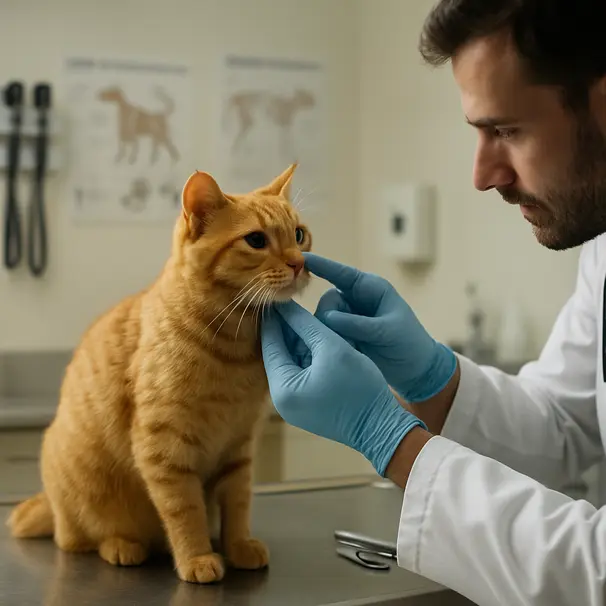
A veterinary visit usually starts with a careful history. The vet or carer may ask about vaccination status, recent travel or boarding, household changes, onset and pattern of sneezing, and whether other cats were affected.
Physical examination focuses on the nose, mouth, ears, and chest. Depending on findings, the vet may recommend tests such as nasal swabs, eye swabs, blood tests, dental X-rays, or imaging like X-rays or CT scans. Treatment varies with the cause and may include supportive care, antibiotics for certain bacterial infections, dental care, or procedures to remove foreign bodies or growths.
Remember, only a trained professional can diagnose the exact cause, so consider a vet consultation if signs persist or worsen.
What you can do at home to help right away
While waiting for a vet appointment, or for mild cases, there are practical steps that may help your cat feel better:
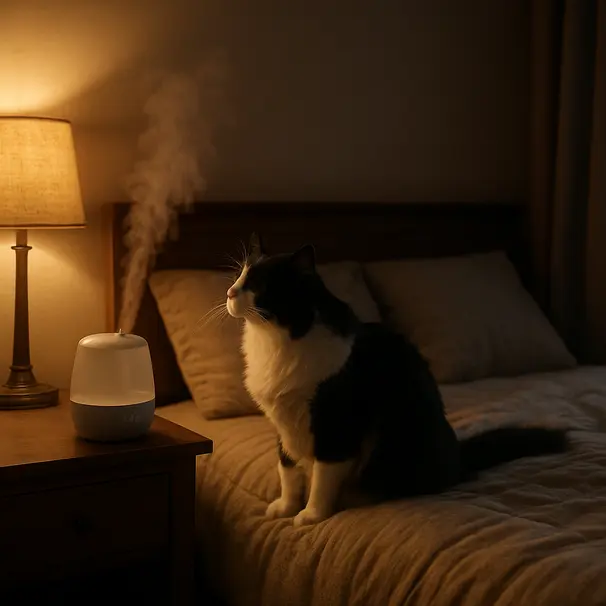
- Keep the air moist. A humidifier or a warm shower running in the bathroom with your cat nearby for a short time can ease nasal congestion.
- Reduce irritants. Avoid strong cleaning products, perfumes, and cigarette smoke. Vacuum and dust regularly, and freshly launder bedding with a fragrance-free detergent.
- Offer enticing, soft food. Cats with congested noses may eat less because they can’t smell well. Warming food slightly can increase aroma and encourage eating.
- Clean discharge gently. Use a soft, damp cloth to wipe crust or discharge around the nose and eyes. Use separate cloths for each eye and nose to reduce spread.
- Keep them hydrated. Fresh water should always be available. Consider adding wet food or a water fountain to encourage drinking.
- Isolate contagious cats. If you suspect an infectious URI, keep affected cats separate from others and practice good hygiene to reduce spread.
Avoid giving over-the-counter medications intended for humans unless a vet explicitly recommends them. Some human drugs are toxic to cats.
When to seek immediate veterinary care
Contact your vet or an emergency clinic if your cat shows:
- Trouble breathing or pale gums
- Severe lethargy or collapse
- High fever (a vet can advise on how to check) or persistent vomiting
- Continuous bleeding from the nose
- Sudden or severe facial swelling
If you’re unsure, it’s better to check with a professional. A prompt call or message to your vet or a trusted Floofy carer can help you decide the best next step.
Prevention tips and household habits
Some sneezing causes are hard to avoid, but a few practical steps can reduce risk:
- Keep vaccinations up to date. Core vaccines help protect against common infectious agents.
- Maintain good dental care. Regular brushing and professional dental checks may help prevent dental problems that affect the nose.
- Minimize exposure to tobacco smoke and strong chemicals.
- Regularly clean litter boxes and living areas to reduce dust and mold.
- Quarantine new or sick cats until they’ve been checked, especially in multi-cat homes or boarding situations.
These habits can lower the chance of respiratory issues and keep your home more comfortable for sensitive noses.
How to work with a carer or sitter about a sneezing cat
If you use a pet carer, sitter, or a boarding facility, communication helps everyone. Let carers know:
- Any recent sneezing episodes, and whether symptoms are improving or worsening
- If your cat has been diagnosed with a contagious URI
- Feeding preferences and any appetite changes
- Contact information for your vet
- Any medications and administration instructions
Trusted carers can monitor your cat closely, offer supportive care, and alert you if things change. If your cat is on medication, ensure carers are comfortable administering it and document the schedule.
A short troubleshooting checklist for cat owners
- Is the sneeze occasional or frequent? Frequent sneezes for several days need attention.
- Any discharge, bad smell, or blood? These signs suggest a vet visit.
- Appetite and activity level normal? Loss of appetite or lethargy means call the vet.
- New environment, strong smells, or dust exposure lately? Try removing triggers first.
- Multiple cats affected? Consider contagious causes and inform your vet.
Final thoughts
Sneezing is common, and often it’s a harmless reflex. Still, your instincts as a pet owner matter. If something doesn’t look right, or if the sneezing is accompanied by other worrying symptoms, don’t hesitate to get professional advice. A quick call to your vet or a trusted carer can spare you and your cat extra stress.
You know your cat best. Gentle observation, small at-home comforts, and timely professional care can usually sort most sniffles. And if you need help arranging a check-up, medication pickup, or a caring sitter to watch an ill kitty, Floofy carers are ready to support you and your feline friend.
Stay calm, keep treats handy, and give that snoot a soft, reassuring scratch when it’s welcome. Your cat will appreciate the company while healing.