


Cat teeth grinding: what to know
If your cat makes a soft, rhythmic grinding sound with its teeth, you might wonder if it’s a quirk, a sign of comfort, or something that needs attention. Cats are full of small, odd noises and behaviors that can leave us guessing. This article walks you through what teeth grinding might mean, how to spot it, and what practical steps owners and pet carers can take.

What exactly is teeth grinding in cats?
Teeth grinding, sometimes called bruxism, is when a cat rubs or grinds its teeth together in a repetitive motion. You might hear a faint crunching, or notice the jaw moving in a steady rhythm. It can happen for a few seconds, or persist for longer periods.
This behavior can be subtle. Some cats only grind when relaxed, while others seem to do it when they’re uncomfortable. It’s helpful to watch and listen, and if you can, capture a short video so you can share it with your vet or a trusted carer.
Common reasons cats may grind their teeth
There isn’t a single answer that fits every cat. Teeth grinding can come from a few different places, and the right approach depends on what’s causing it. Here are several possibilities to consider:
- Dental discomfort, disease, or broken teeth, which can make chewing painful and cause grinding as a reaction. Consider a dental check if you suspect this.
- Oral soreness from ulcers, inflamed gums, or stomatitis. These conditions may make a cat move its jaw differently to try to relieve irritation.
- Nausea or digestive upset. Some cats may move their jaws or make unusual mouth movements when they feel queasy.
- Stress, anxiety, or discomfort. Grinding can be an outward sign that a cat is tense or overwhelmed in a situation.
- Habitual behavior or an old habit from kittenhood that persists into adulthood. Some cats develop idiosyncratic behaviors that aren’t clearly harmful.
- Neurological issues on rare occasions. If grinding appears alongside abnormal movements, uncoordinated behavior, or other worrying signs, a vet check is warranted.
All of these are possibilities, which is why careful observation and professional advice are useful. Avoid jumping to conclusions before you gather context and, when in doubt, consult a vet.
Signs to watch for beyond the grinding noise
Teeth grinding can be a clue, but it’s the other signs that help you decide how serious it might be. Keep an eye out for:
- Bad breath, which can indicate dental disease.
- Drooling, pawing at the mouth, or blood around the gums.
- Reluctance to eat, chewing on one side only, or dropping food.
- Weight loss, or reluctant grooming leading to an untidy coat.
- Behavior changes, such as hiding, aggression, or avoidance of touch near the head.
- Frequent vomiting, retching, or signs of nausea.
- Changes in mealtime habits, like sudden pickiness.
If grinding is accompanied by any of these signs, it’s sensible to reach out to a veterinarian, or help the owner get a timely appointment with a pro.
How to observe and record the behavior
A little detective work goes a long way. Try these simple steps to gather useful information:
- Make a short video on your phone when you hear or see the grinding. Angle the camera so the mouth and jaw are visible.
- Note the context: time of day, what the cat was doing, what food or treats were nearby, and whether other pets were present.
- Record how long the episode lasts and how often it happens over a day or week.
- Check the cat’s mouth gently if they allow it, looking for obvious broken teeth, redness, swelling, or foreign objects. Do this only if the cat is comfortable.
- Keep a short log of appetite, stool, vomiting, or behavior changes.
This information helps vets and carers make better recommendations without speculative guessing.
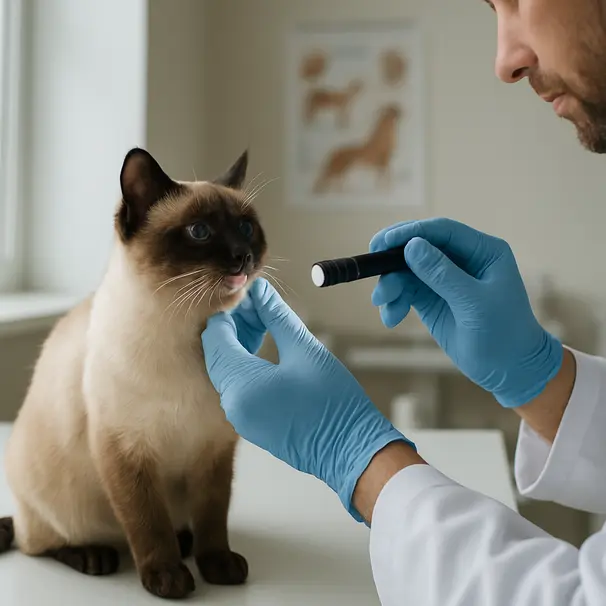
When to call the vet or urgent care
Consider arranging a vet visit if any of the following are true:
- The grinding is frequent or getting worse.
- It comes with drooling, bleeding, swelling, poor appetite, or weight loss.
- The cat shows signs of severe pain, such as hissing, biting, or a stiff posture.
- There are neurological signs like stumbling, head tilting, or seizures.
For mild, occasional grinding with no other signs, you might start by monitoring closely and trying the at-home steps below. Still, if you’re unsure, a vet conversation is always a safe step.
Home care and comfort strategies
There are practical, gentle steps you and a carer can try at home to help a cat that grinds its teeth. These aren’t a substitute for veterinary care if the problem seems serious, but they can improve comfort and help rule out simple causes.
- Keep meals appealing and soft if the cat seems reluctant to chew. Warmed wet food can be easier to eat.
- Offer dental-friendly toys and treats that encourage gentle chewing, but avoid anything hard that could chip a tooth. Consider veterinarian-recommended options.
- Maintain a calm environment, reducing sudden loud noises or changes that might stress the cat. A quiet resting spot can help.
- Improve hydration and digestion by ensuring fresh water and considering easily digestible diets if GI upset is suspected. Talk to a vet about suitable food changes.
- Use regular, gentle handling to desensitize the cat to mouth checks, but stop if the cat shows signs of pain or fear.
- Keep an eye on oral hygiene. Brushing is helpful for many cats, but introduce it slowly and use products made for cats. If brushing isn’t possible, ask your vet for alternatives.
These measures can help comfort a cat and may reduce grinding linked to mild annoyance or stress.
Dental care basics to consider
Dental disease is a common issue in cats. Preventive care can help reduce many causes of mouth pain that might lead to grinding.
- Regular dental checks at the vet, at least once a year, can catch problems early.
- Home toothbrushing, if your cat tolerates it, can slow plaque and tartar formation. Use toothpaste made for cats, never human toothpaste.
- Dental diets or prescription food can be useful in some cases, and your vet can recommend specific brands.
- Professional dental cleaning under anesthesia may be recommended for advanced disease. This is something to discuss carefully with your vet.
Remember to use caution with any at-home dental tools, and consider professional guidance to choose the right approach.
Practical tips for pet carers and sitters
If you’re looking after someone else’s cat, here are friendly, trustworthy ways to help:
- Ask the owner about known dental issues, recent vet visits, and whether the cat ever grinds its teeth.
- If you hear grinding, quietly observe and take a short video to share with the owner.
- Avoid forcing mouth inspections. Instead, let the cat approach you, use treats for trust, and report observations accurately.
- Keep feeding routines consistent and offer familiar food to reduce stress-related behaviors.
- Report any new signs immediately to the owner. If the cat seems in pain, advise contacting a vet rather than trying home remedies.
Being calm, observant, and communicative helps owners feel confident that their cat is in good hands.
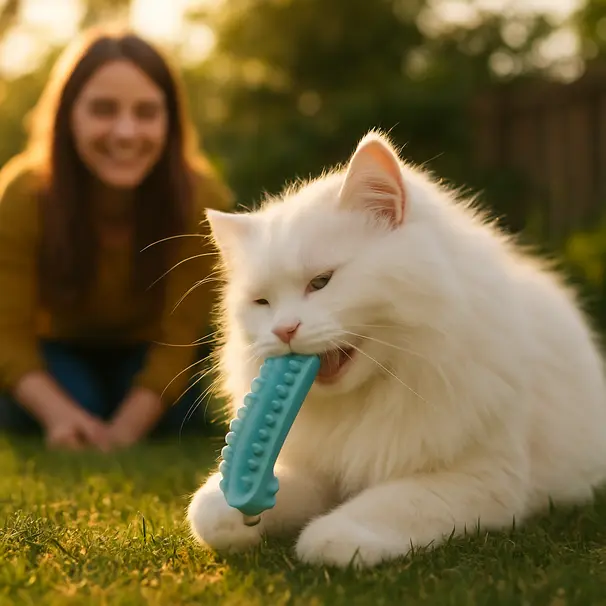
When grinding is a sign of contentment
In a few cases, what sounds like grinding might be associated with relaxed behavior. Some cats make mouth noises while purring, kneading, or settling in for a nap. If the cat is relaxed, eating normally, and behaving as usual, the grinding may be a benign quirk.
Still, it’s worth documenting and mentioning to your vet at the next check-up. It’s always better to be cautious than to miss a treatable issue.
Red flags and common pitfalls to avoid
Avoid assuming that grinding is only stress or only dental pain. Some owners wait too long because the behavior seems minor, while others overreact to a single episode. Balance is key.
Red flags that need prompt attention include:
- Any sign of facial swelling, bleeding, or severe drooling.
- Sudden refusal to eat, pronounced weight loss, or dehydration.
- Neurological signs, such as seizures or loss of coordination.
If a vet visit is recommended, bring your video and notes. They’re often more helpful than a verbal description alone.
FAQs
- Is teeth grinding common in cats? It can happen, but it isn’t among the most common feline behaviors. It’s not always dangerous, but it’s a helpful clue when paired with other signs.
- Can teeth grinding hurt the cat? Grinding itself might not always cause harm, but if it’s linked to dental disease or pain, that underlying issue can be uncomfortable. Consider veterinary assessment.
- Can I clean my cat’s teeth if it grinds? Regular, gentle toothbrushing can help prevent dental disease, but only start gradually and use cat-specific products. If the cat is in pain, consult a vet first.
Final thoughts
Teeth grinding in cats is a signal worth paying attention to. It could be a harmless little habit, or it could point to dental discomfort, nausea, or stress. Your observations, short videos, and clear communication with a veterinarian or trusted pet carer can make a big difference.
If you’re a Floofy carer, use your notes and videos to support owners, and encourage a vet check if you see red flags. If you’re an owner, trust your instincts. A gentle check, better dental care, or a vet visit can help your cat feel more comfortable.
Small changes often help. A calm corner, soft food for a few days, or a prompt dental check-up may be all your cat needs. And of course, if anything worries you, consider reaching out to your vet for tailored guidance. Pets rely on us to notice the little things, and you’re doing exactly the right thing by paying attention.