


Cat vaccines explained: the right timeline
Getting your cat vaccinated can feel overwhelming. There are schedules, acronyms, and a few decisions to make. This guide walks you through the common vaccines, a practical timeline for kittens and adults, how to reduce stress, and what to ask your vet. Think of it as a friendly roadmap that helps you keep your feline safe and purring.
Why vaccinations matter
Vaccines can help protect cats from serious infectious diseases. For many illnesses, early vaccines may reduce the chance of severe symptoms and can limit spread among other cats. Vaccinating is especially important in multi-cat homes, boarding situations, and if your cat goes outdoors.
Vaccination also ties into broader public health. Rabies vaccination, for example, may be required by law in some areas and can protect both people and pets. Your vet can help you weigh risks and benefits based on your cat’s lifestyle.
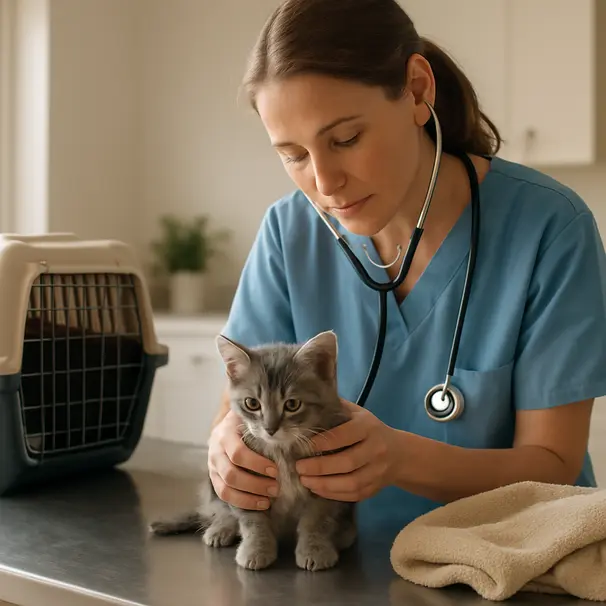
The core vaccines: what they usually cover
Core vaccines are those many vets consider essential for nearly all cats. They typically include:
- Feline panleukopenia virus (FPV), sometimes called feline parvo. It can cause severe gastrointestinal and immune problems in cats.
- Feline herpesvirus (FHV-1) and feline calicivirus (FCV). These two often come together in combination vaccines to protect against common upper respiratory infections.
- Rabies. This vaccine may be required by law and can prevent a fatal disease that affects the brain.
These vaccines are commonly given as part of a combination shot, especially in kittens. The timing and frequency may vary depending on product, local regulations, and your cat’s lifestyle.
Non-core vaccines: consider based on risk
A few vaccines are recommended only for cats with specific risk factors:
- Feline leukemia virus (FeLV). Often recommended for kittens and cats that spend time outdoors or live with FeLV-positive cats.
- Chlamydophila felis and Bordetella bronchiseptica. These are sometimes recommended in multi-cat facilities or shelters where respiratory outbreaks happen.
- Feline immunodeficiency virus (FIV) vaccine is available in some places but may not be broadly recommended.
Talk to your vet about whether these vaccines may be appropriate for your cat. They can consider exposure risk, age, and overall health.
A practical kitten vaccination timeline
Kittens need a series of vaccines because their maternal antibodies can interfere with early shots. Here’s a general, practical schedule to discuss with your vet:
- 6–8 weeks: First combination vaccine (FPV, FHV-1, FCV) may be started depending on local guidelines and the kitten’s health. FeLV testing and initial FeLV vaccine may be considered if there’s a risk.
- 9–12 weeks: Second combination vaccine and possibly the first FeLV shot if indicated.
- 12–16 weeks: Final kitten series vaccine, often including rabies around 12–16 weeks depending on local rules and the vaccine product.
- 16–20 weeks: Some vets recommend a final booster for certain antigens at this age if maternal antibodies were a concern.
Kittens typically receive boosters every 3–4 weeks during the series because vaccines need to overcome maternal antibodies and build strong immunity. Keep vaccination visits calm and positive. Short play sessions and tasty treats afterward can help the experience.

Adult cat boosters: keeping protection current
After the initial kitten series, many cats need booster shots. The exact interval depends on the vaccine type and your vet’s recommendation. Common approaches include:
- One-year booster after the kitten series for some vaccines.
- After the first-year booster, many core vaccines may be given every 1 to 3 years depending on product and local guidelines.
- Rabies boosters may be yearly or every three years depending on the vaccine and local law.
Your vet can suggest a schedule that fits your cat’s age, health, and lifestyle. Some longer-lasting vaccines may reduce the number of visits, which can be helpful for anxious cats.
Special situations: outdoor cats, shelters, and travel
- Outdoor cats: Cats that roam outdoors or mingle with neighborhood cats may be at higher risk for disease exposure. FeLV vaccination and consistent core vaccines may be more strongly recommended.
- Multi-cat households and shelters: Close quarters increase respiratory disease risk. Vets may suggest additional vaccines such as Chlamydophila or Bordetella in these settings.
- Travel and boarding: Boarding facilities and international travel may require proof of vaccination. Check requirements well in advance so you have time for any required boosters or certificates.
Vaccine safety and common reactions
Vaccines are generally safe, but mild side effects can occur. Common, short-lived responses may include:
- Mild soreness at the injection site or a small lump that disappears in a few days.
- A little lethargy, decreased appetite, or low-grade fever for 24–48 hours.
More serious reactions are rare. Signs that merit immediate veterinary attention include facial swelling, difficulty breathing, persistent vomiting or diarrhea, or collapse. If you see those signs after a vaccine, contact your vet right away.
If your cat has had a prior reaction, note it clearly in their records and discuss alternative vaccine options or timing with your vet. They may recommend spacing vaccines differently or monitoring your cat after the shot.
How to prepare your cat for a vaccine visit
A calm trip helps everyone. Try these tips:
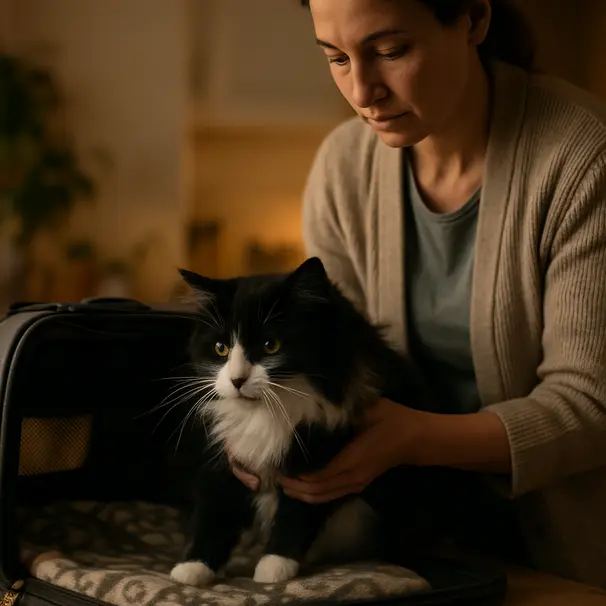
- Get them used to the carrier. Leave it open at home with cozy bedding and treats inside, so it becomes a safe space.
- Bring a favorite blanket or towel that smells like home. This can comfort your cat at the clinic.
- Schedule visits when your cat is likely to be more relaxed, and avoid noisy times at the clinic if possible.
- Offer a small favorite treat after the visit to create a positive association.
If your cat is very stressed at the vet, ask about low-stress handling techniques. Some clinics offer cat-friendly appointment times or separate cat-only spaces.
Questions to ask your vet
A quick list you can bring along:
- Which vaccines do you recommend for my cat’s age and lifestyle?
- What is the exact schedule and when is the next booster due?
- Are these vaccines core or non-core for our area?
- What side effects should I watch for, and when should I call you?
- Can we space vaccines if my cat is anxious, or are there single-shot options?
- Do you recommend titers (antibody tests) to check immunity in adult cats?
These questions can help you make an informed plan that fits your cat.
Records, titers, and tailoring care
Keep clear vaccination records. Many boarding facilities and groomers ask for proof, and it’s useful for emergency care or new caregivers. If you prefer to avoid unnecessary boosters, ask your vet about antibody titer testing. Titers can sometimes show whether immunity is still present. Your vet can advise whether titers are an option for your cat and how to interpret results.
For older cats or those with chronic health conditions, your vet may adjust vaccine choices or timing to prioritize safety and comfort.
Cost considerations and planning
Vaccination costs vary by clinic and region. Some clinics bundle vaccines into wellness packages, while others charge per shot. Community clinics or charities may offer lower-cost vaccine days. Budgeting for routine care and preventive visits can help avoid bigger medical expenses later.
Ask your vet if they offer a written plan and reminders so you don’t miss boosters. Many clinics will text or email reminders for upcoming shots.
Final checklist before visiting the vet
- Verify which vaccines your cat needs based on lifestyle.
- Bring a recent health history and any past reaction notes.
- Prepare the carrier with bedding and a calming scent.
- Plan a treat or reward for after the visit.
- Schedule follow-up or booster appointments before you leave.
Wrapping up: care that feels right for your cat
Vaccination is a practical tool to help protect cats from serious diseases. The right schedule depends on age, health, and exposure risk. Use this guide as a starting point, and have an open conversation with your vet or a trusted pet carer about what’s best for your feline friend.
A calm approach, good records, and simple comforts can turn vaccination days into manageable moments. Your cat may not love the visit, but with the right plan, you can make it as gentle and effective as possible. Consider each vaccine as another step toward many more cozy naps, playful mornings, and safe outdoor adventures.