

Cat vomiting: when to worry and what to do
Vomit is unpleasant for everyone, including cats. If you’ve ever walked into the room to find a small, furry mess on the floor you weren’t expecting, you’re not alone. Cats vomit for a lot of reasons, many of them harmless. Some causes can be serious, though, and knowing how to tell the difference will help you keep your cat safe and calm.
Quick overview: vomiting versus regurgitation
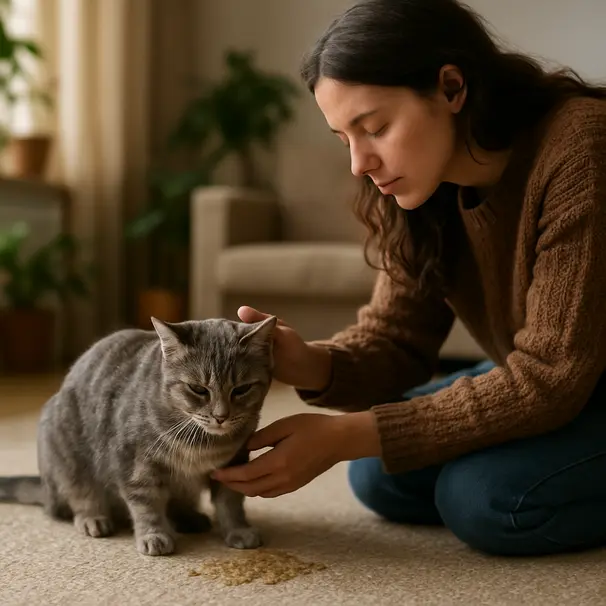
Before we get into causes and fixes, a quick note on two similar things that are often mixed up.
- Vomiting usually looks active. Your cat may retch, heave, and produce partly-digested food or bile.
- Regurgitation is more passive. Food may come up intact, often without signs of retching.
If you’re unsure, try to observe calmly or take a short video. That can be very helpful for your vet.
Common causes of vomiting in cats
Some causes are fairly everyday, others need attention. Consider the cat’s age, habits, and how often vomiting happens.
- Hairballs and grooming. Cats groom themselves a lot. Hair can form clumps in the stomach and cause occasional vomiting.
- Eating too fast. Quick meals or competing with other pets can make a cat bring food back up.
- Dietary changes. New food, treats, or table scraps may upset the stomach.
- Upset stomach from mild infections or tummy bugs. These may resolve in a day or two.
- Parasites. Worms can cause vomiting, especially in kittens.
- Food intolerances or allergies. Reactions can cause chronic or intermittent vomiting.
- Medication reactions or toxin exposure. Some human medicines and household substances can upset or poison a cat.
- Chronic conditions. Kidney disease, liver issues, hyperthyroidism, and pancreatitis may cause repeated vomiting.
- Foreign bodies. Cats sometimes swallow toys, string, or plant material that can obstruct the gut.
Red flags: when to be worried
Most single episodes aren’t emergencies, but some signs suggest you should consult a vet quickly.
- Vomiting is frequent or persistent, especially more than 24 hours.
- Vomit contains blood, looks black, or is a dark coffee-ground color.
- Your cat can’t keep water down and shows signs of dehydration.
- Very lethargic, weak, or has trouble standing.
- Sudden and severe abdominal pain, bloating, or a distended belly.
- Vomiting follows a known toxin exposure, such as antifreeze, lilies, or human meds.
- Young kittens, elderly cats, or cats with pre-existing health conditions start vomiting.
If any of these are present, consider contacting your vet or an emergency clinic. Describe what you’ve seen, and follow their guidance.
What to do right away at home
Stay calm; cats pick up on stress. These steps can help while you decide whether to contact your vet.
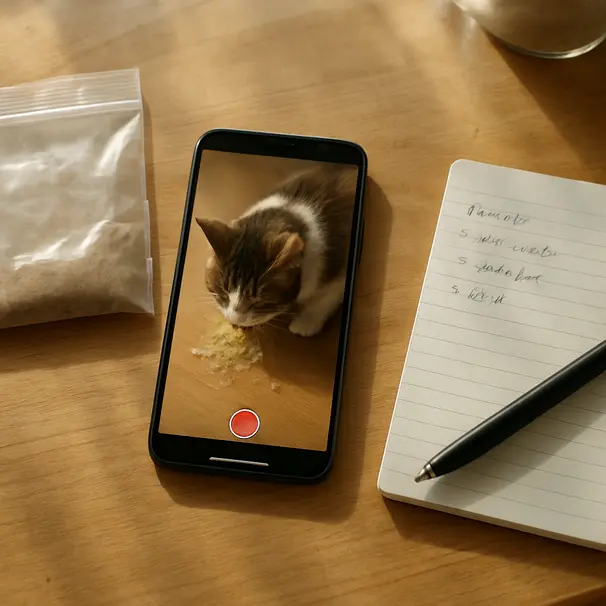
- Observe and record what you can. Note the time, what the vomit looks like, how often it happened, and any other symptoms. A short video or photo can be very helpful to your vet.
- Remove food for a few hours. For adult cats, a 6–12 hour break from food can let the stomach settle. Keep fresh water available but monitor whether the cat can keep it down.
- Offer small amounts of water. If your cat sips and keeps water down, you can gradually offer more. If they vomit water, stop and speak to a vet.
- Try a bland diet later. If vomiting stops, offer a small portion of a bland food, like plain boiled chicken or a vet-recommended recovery diet, for 24–48 hours. Feed in small amounts.
- Keep your cat warm and quiet. Stress and activity can make symptoms worse.
- Collect a sample. If safe, keep a small sample of the vomit in a sealed bag for the vet to inspect. Note any foreign objects you find.
Avoid giving over-the-counter human medications unless your vet explicitly tells you to do so. Some human drugs can be dangerous to cats.
What your vet may ask or check
A vet visit is a team effort. Here’s what might happen and what to prepare.
- History: How long has it been happening? What did your cat eat, and could they have eaten something unusual? Any medications or known exposures?
- Physical exam: The vet will check weight, hydration, abdomen, and overall condition.
- Tests: Bloodwork, urine tests, fecal checks for parasites, X-rays, or ultrasound may be considered. These tests can help identify infections, organ problems, blockages, or metabolic issues.
- Treatment plan: Depending on the cause, options may include fluids for dehydration, anti-nausea medication, deworming, antibiotics, or surgery for obstructions.
Remember to bring any video, photos, and the sample you collected. Those details speed up diagnosis and help the vet understand what’s happening.
First-aid tips while you wait for care
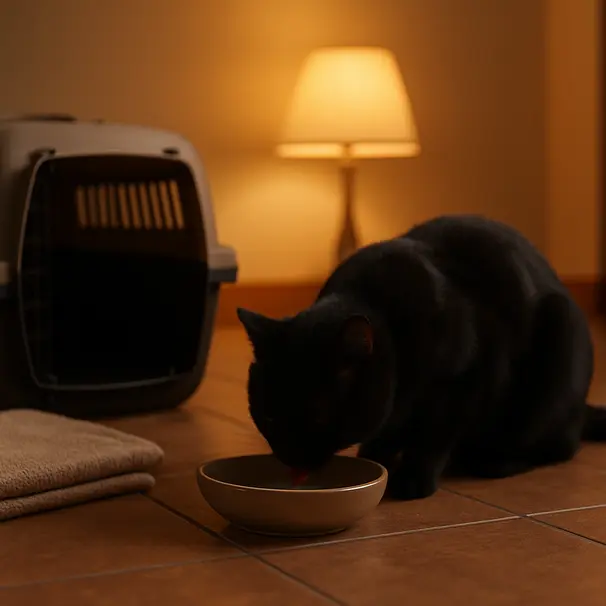
If you can’t get to a vet right away, these supportive steps may help.
- Keep your cat hydrated. Small, frequent sips of water or electrolyte solution for pets can help.
- Use a pet-safe rehydration product if recommended by a vet.
- Stop feeding regular food until vomiting has stopped for several hours.
- Keep the litter box clean and monitor bathroom habits. Diarrhea along with vomiting can indicate a more serious issue.
If your cat shows any red flag signs, seek emergency veterinary care rather than trying extended home treatments.
Prevention: small changes that can help
Reducing vomiting often means addressing everyday habits.
- Slow feeding. Puzzle feeders, slow-feed bowls, or dividing meals can prevent gulping.
- Regular grooming. Brushing reduces hair ingestion and hairballs.
- Stable diet. Avoid frequent, abrupt diet changes and limit table scraps.
- Keep toxic plants and dangerous items out of reach. String, rubber bands, and small toys can be tempting and harmful.
- Parasite control. Regular deworming and flea prevention may reduce GI upset.
- Regular vet checkups. Early detection of chronic disease helps prevent flare-ups.
Also consider the environment. Stress, new pets, and changes in routine can make sensitive cats vomit more often. Gentle introductions and consistent schedules can calm your cat.
Special notes for pet carers and sitters
If you’re looking after someone else’s cat, your role matters.
- Ask the owner for a clear care plan. Get details about diet, medication, recent health issues, and the vet’s contact.
- Monitor closely. Keep a log of feeding times, vomiting episodes, litter box use, and behavior changes.
- Communicate quickly. If you notice worrying signs, contact the owner and advise a vet visit.
- Avoid feeding unfamiliar treats. Stick to the owner’s instructions to prevent upset stomach.
Being observant and proactive can make a huge difference for the cat and the owner’s peace of mind.
When vomiting is chronic or recurring
If a cat vomits regularly but seems otherwise okay, chronic issues could be at play. These may include food intolerances, inflammatory bowel conditions, or organ disease. The vet may recommend dietary trials, allergy testing, or bloodwork to narrow down the cause.
Keep records of diet, frequency, and any changes over weeks. That documentation often reveals patterns that lead to better management plans.
Final thoughts: trust your instincts and ask for help
One episode of vomiting might not mean much, but persistent vomiting, change in behavior, or any of the red flags above should prompt a call to your vet. You know your cat best. If something feels off, it’s worth checking in.
Cats can be great at hiding illness. A calm, timely response can keep a small problem from becoming a bigger one. And when in doubt, reach out to a vet or a trusted pet carer on Floofy who can help keep your furry friend comfortable and safe.
Helpful checklist to leave with a sitter or vet: what your cat ate today, last vaccine and deworming dates, recent changes at home, medication list, emergency contacts, and any video of the vomiting episodes.
Take care, and give your kitty a gentle scratch behind the ears for me.