

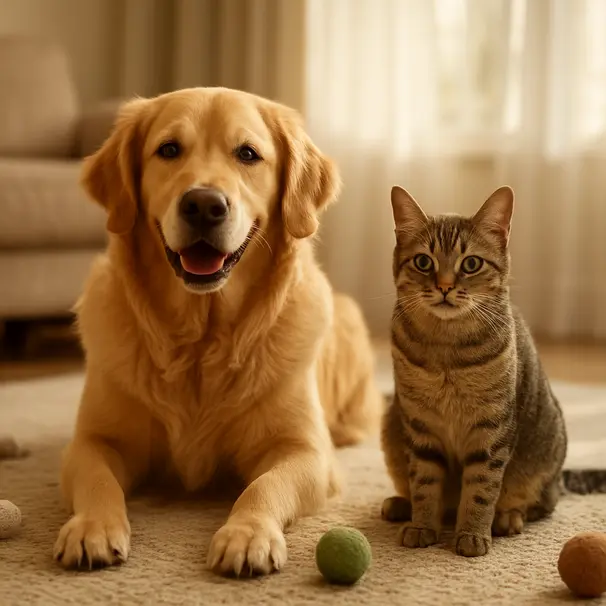
Cats vs dogs: who’s smarter?
If you pet both species, you’ve probably caught yourself smiling at a cat’s quiet cunning or a dog’s eager problem-solving. The question “who’s smarter” is a favorite at dinner tables, vet waiting rooms, and pet-sitter briefings. The short answer is: it depends. Intelligence isn’t a single thing we can put on a scale. This article breaks down what intelligence can mean, what research and everyday life show, and how pet owners and carers can nurture cleverness in both cats and dogs.
What do we mean by “intelligence”?
People often use the word intelligence the way they use “cute”; it covers a lot of territory. For pets, think of several overlapping kinds of smarts:
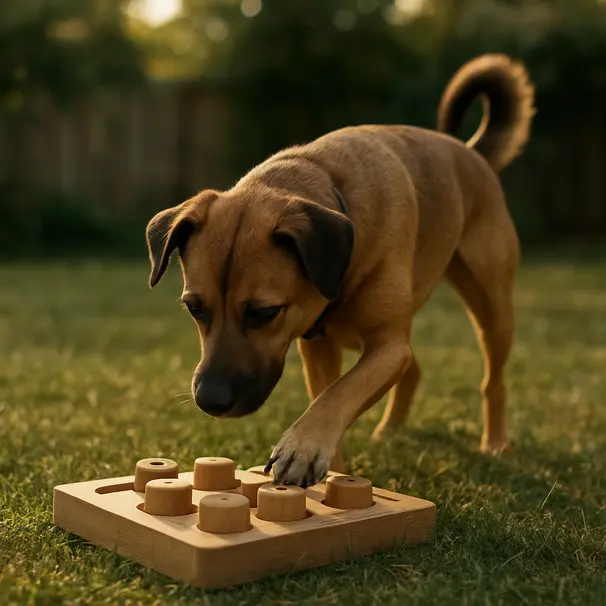
- Problem-solving, like opening a latch or figuring out a new toy.
- Social intelligence, the ability to read human cues and work with people.
- Memory, including how well an animal remembers where food is stashed or a learned routine.
- Adaptive intelligence, which shows up when an animal changes its behavior to suit new situations.
Dogs often shine at social intelligence. Over thousands of years of living with humans, they’ve become excellent at following gestures, eye contact, and even tone of voice. Cats tend to excel at independent problem-solving and stealthy hunting strategies. They learned to be flexible and cautious, which is a different kind of savvy.
What scientific studies actually show
Scientists avoid declaring an absolute winner. Instead they examine skills and brain features. A few things to keep in mind:
- Brain size alone isn’t a full measure of smarts. Dogs generally have more cortical neurons than cats, and that may influence problem-solving capacity. But neuron counts don’t tell the whole story.
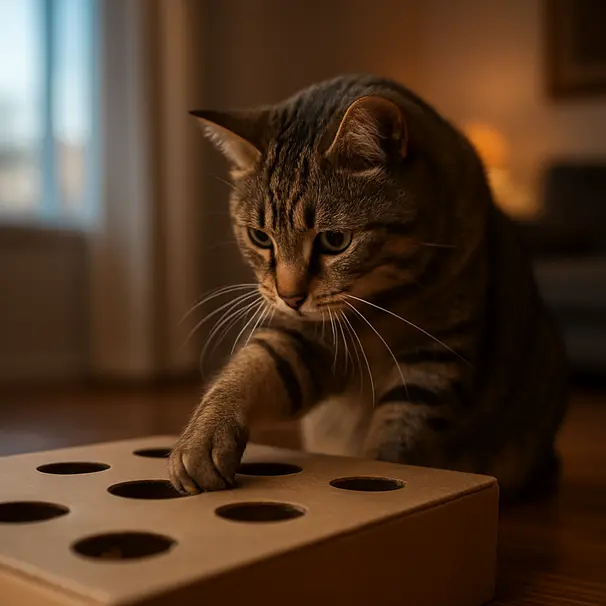
- Studies often test specific tasks. For example, research showing dogs follow human pointing gestures better than wolves or cats highlights social learning. Other experiments where cats solve puzzle boxes show their independent problem-solving strengths.
- Breed differences within dogs and individual variation within both species matter a lot. A border collie and a bulldog can perform very differently on the same test. The same goes for an outgoing tabby versus a shy pedigree.
Science can help us understand patterns, but everyday life often matters more for pet owners and carers. A smart-looking trick can reflect lots of practice and reward history, not innate superiority.
How studies translate to real homes
If a study shows dogs respond better to points, that means many dogs will pick up commands faster if humans use clear gestures and praise. If cats bypass a puzzle box for a hidden treat, they’re demonstrating resourcefulness and patience, not laziness. When hiring or working as a pet carer, read the animal’s past experiences and training history before assuming what they’ll do.
Different kinds of intelligence: social, practical, emotional
Social intelligence
Dogs were bred for cooperation and reading human behavior. They watch faces, follow pointing, and often seek approval. This can make them seem “smarter” in group settings or training classes because they’re eager to perform for humans.
Cats socialize differently. Many are vigilant and subtle. They may understand human moods and routines but show it in quieter ways, like coming when a familiar voice calls or bringing small “gifts”. Some cats form close bonds with particular people and display strong emotional intelligence.
Practical problem-solving
Cats are often masters of stealth and independent problem solving. They can manipulate small objects, squeeze through tight spaces, and hunt with astonishing patience. Dogs solve problems too, especially when a task involves teamwork or following a human’s lead.
Emotional intelligence and empathy
Both species show empathy-like behaviors. Dogs are more likely to offer direct comfort, leaning in or nudging when their person is upset. Cats may sit nearby and purr, providing a calmer kind of reassurance. A caring pet carer will notice these subtle differences and respond accordingly.
Training: what each species learns best
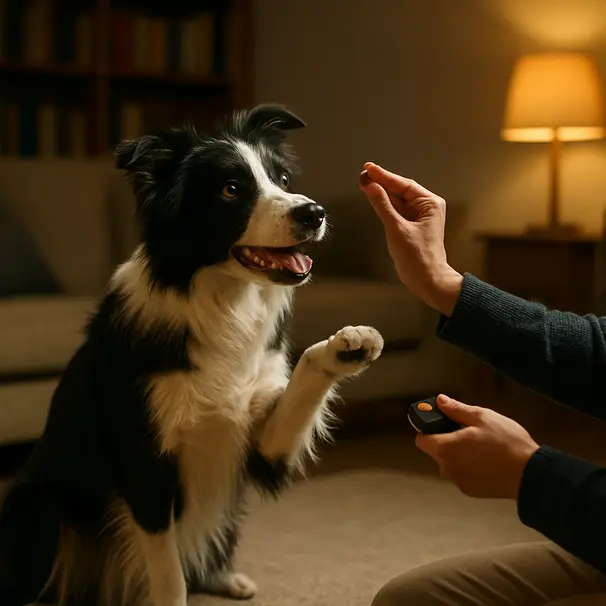
Thinking about training helps clarify what “smart” looks like. Dogs respond well to structured training, repetition, and immediate rewards. Many dogs thrive on clear rules and will happily learn recall, tricks, and complex tasks like agility or service work.
Cats can learn tricks too, and some are brilliant at clicker training. Training a cat often means working with their natural motivations: curiosity, play, and food. Short, frequent sessions that respect a cat’s independence tend to work best. With patience, you can teach a cat to come, sit, or even perform fun behaviors like target touching.
Practical tips for training both:
- Keep sessions short and fun, five to ten minutes several times a day.
- Use high-value rewards the particular animal likes.
- Be consistent with cues and expectations.
- Read body language. A frustrated learner shuts down fast.
How pet carers can assess intelligence and needs
If you care for pets professionally, your job isn’t to rank them. It’s to tune into their needs. Here’s how to assess and support cognitive health:
- Observe problem-solving in natural contexts. Does the dog search for a hidden toy? Does the cat use vertical spaces and explore boxes?
- Note social responses. Does the pet seek human attention or prefer solo time? Tailor your approach to their comfort level.
- Track changes. A sudden drop in interaction or confusion may suggest a health issue. Consider a vet check if a previously sharp pet seems disoriented.
Enrichment ideas that boost cleverness
Mental stimulation can help any pet feel happier and more balanced. Here are practical, low-cost ideas that carers and owners can use:
For dogs:
- Puzzle feeders that require pawing or nudging to release kibble.
- Scent games, like hiding treats in different rooms or under cups.
- Training walks with short cue sessions, changes of direction, and problem-solving stops.
For cats:
- Treat puzzles that require batting or pawing.
- Vertical spaces like shelves and safe window perches for watching the world.
- Interactive wand games and short surprise play sessions to mimic hunting.
Mixed activities that work for both:
- Scent boxes with different textures and treats placed inside.
- Supervised outdoor time in a harness for cats, or nose-work classes for dogs.
- Rotation of toys so each animal finds something novel every few days.
Health and age: how cleverness can change
Young animals learn fast, but adult and senior pets can keep their wits with regular mental exercise. Cognitive changes may occur with age, just like in people. Look for signs such as increased pacing, altered sleep patterns, or trouble finding the litter tray. If you notice changes, consider a vet consultation. Small environmental tweaks and enrichment can help older pets stay engaged.
Choosing a pet for your lifestyle
If you’re deciding between a cat and a dog and intelligence is part of that choice, think about the type of intelligence that fits your life:
- If you want a companion that reads social cues and participates in activities with you, a dog may be a great match.
- If you prefer a more independent friend who delights in quiet cleverness and self-directed play, a cat could be ideal.
Remember, each animal is an individual. Rescue groups and breeders can help you find a pet whose personality matches your household and availability for training and play.
A few quick, practical tips for owners and carers
- Match challenges to ability. A puzzle that’s too easy is boring; too hard is frustrating.
- Celebrate small wins. Reinforcement builds confidence and willingness to try new things.
- Rotate enrichment. New textures, smells, and toys keep problem-solving fresh.
- Use routine and predictability for pets that thrive on it, while offering novel experiences for those who prefer exploration.
Final thoughts
There isn’t a definitive answer to who’s smarter. Cats and dogs show intelligence in different ways. Dogs often excel at social learning and teamwork, while cats show impressive independence and cunning. The best approach for any owner or carer is to appreciate each animal’s strengths, provide mental and physical stimulation, and adapt training to the individual. A bright pet is a happy pet, and cleverness grows with patience, play, and plenty of affection.
If you’re a carer prepping for a meet-and-greet, take notes on how the animal responds to attention, treats, and simple puzzles. Those observations tell you more about day-to-day life than any debate ever will. At the end of the day, smart pets are the ones who feel safe, loved, and engaged.