


Cavoodle dogs: everything to know
Cavoodles, sometimes called Cavapoos, are the kind of dogs that seem to collect smiles wherever they go. Small, soft, and endlessly affectionate, they make popular companions for families, singles, and seniors alike. This guide walks you through their origins, personality, care needs, and tips for working with trusted pet carers. Whether you already have a Cavoodle or are thinking about bringing one home, read on for practical, down-to-earth advice.
What is a Cavoodle?
A Cavoodle is a crossbreed between a Cavalier King Charles Spaniel and a Poodle. Breeders often choose the mix to combine the Spaniel’s gentle, people-focused temperament with the Poodle’s intelligence and low-shedding coat. The result varies from dog to dog, so every Cavoodle can look and behave a little differently.
Common names: Cavoodle, Cavapoo, Cavadoodle. Each name points to the same friendly hybrid.
A brief history
Crossbreeding small companion breeds became popular in the late 20th century. Cavoodles emerged as part of that trend, especially in Australia and the UK. The aim was to create affectionate family pets with manageable coats. Enthusiasts value Cavoodles for their adaptability, affectionate nature, and suitability to apartment or house living.
Appearance and coat
Cavoodles vary in size depending on whether the Poodle parent was toy or miniature. Typical adult height ranges from 25 to 38 centimetres, and weight can be anywhere from about 4 to 12 kilograms. Colour combinations include chestnut, cream, black, apricot, and parti patterns.
Coat types also differ. Some Cavoodles inherit tight, curly Poodle locks, which shed little but mat unless brushed regularly. Others take after the Cavalier with looser, silkier fur that may shed more. There are also wavy coats between the two extremes.
Practical tip: try to meet both parents if possible. That gives you a better sense of likely coat type and size.
Temperament and personality
Cavoodles are known for being affectionate, eager to please, and social. They usually enjoy being around people and often bond strongly with their family members. They can be playful without being hyperactive, which makes them good companions for children who know how to treat dogs gently.
Common traits:
- Friendly and sociable, often welcoming visitors with enthusiasm
- Intelligent and responsive to training
- Sensitive to tone of voice, so calm positive reinforcement works best
- Can suffer from separation anxiety if left alone for long stretches
If you work long hours, consider whether a Cavoodle will have enough companionship. Many owners find that a reliable pet carer, dog walker, or doggy daycare can help keep a Cavoodle happy and balanced.

Training and socialisation
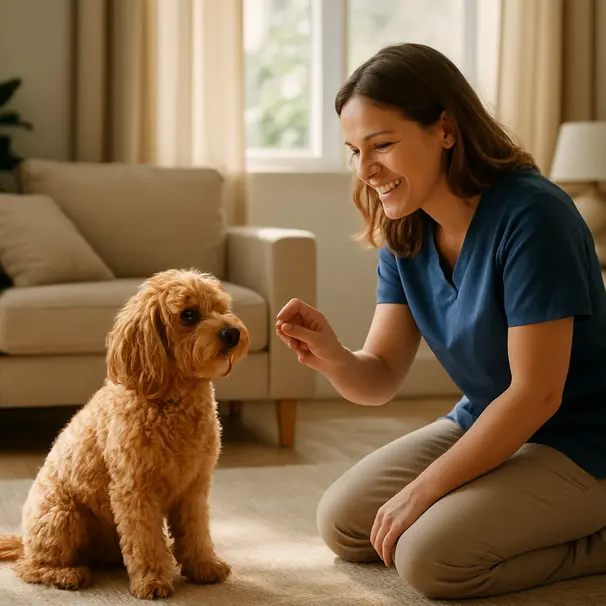
Smart and eager to please, Cavoodles usually pick up basic commands quickly. Positive reinforcement, short sessions, and consistency are keys to success.
Training tips:
- Start early with basic cues like sit, stay, recall, and leave it
- Keep sessions short and fun, a few minutes several times a day
- Use treats, praise, and gentle play as rewards
- Socialise puppies with different people, sounds, and environments under controlled conditions
Recall is important because their small size can tempt owners to let them roam off-lead. Practice recall in secure areas and gradually increase distractions. If you hire a pet carer or walker, ask about their training experience and how they handle recall and voice commands.
Exercise and play
Cavoodles have moderate exercise needs. Daily walks, play sessions, and mental stimulation usually suffice. A typical routine might include a 20 to 40 minute walk plus indoor play or puzzle toys.
Activities they enjoy:
- Short walks in the park
- Gentle fetch or tug
- Nose work and puzzle feeders
- Training games that involve learning new tricks
They can adapt to apartment living as long as they get regular outings and stimulation. Rainy days call for indoor play or scent games to keep them busy.
Grooming and coat care
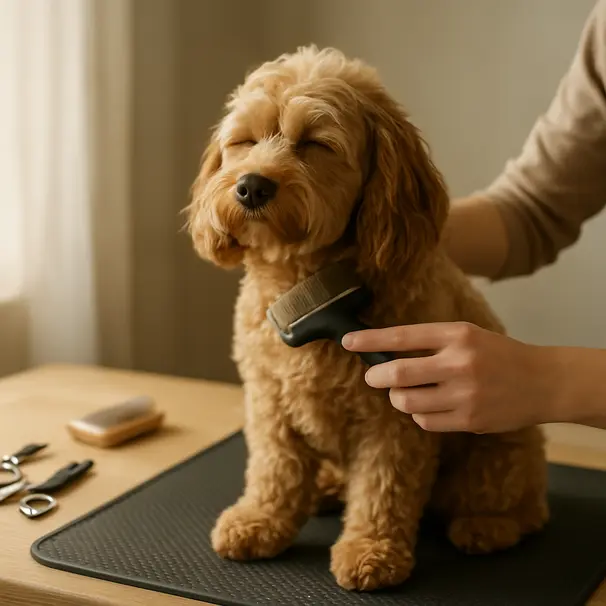
Grooming depends on coat type. Curly, Poodle-like coats usually need more frequent brushing and occasional trims. Straighter coats may require less clipping but still benefit from regular brushing.
Grooming checklist:
- Brush several times a week to prevent mats
- Check ears weekly for debris or smell, and clean gently if needed
- Trim nails every few weeks or when you hear clicking on the floor
- Bathe on a gentle schedule, perhaps every 4 to 8 weeks depending on activity
- Schedule professional grooming every 6 to 12 weeks if you prefer a tidy cut
Consider learning simple grooming skills, but also look for a groomer experienced with mixed coats. If you’re using a pet carer who helps with grooming, ask about their approach and whether they can follow your regular routine.
Health and lifespan
Cavoodles often enjoy a long lifespan, commonly around 12 to 15 years. As with any mixed breed, they may inherit health traits from either parent.
Common considerations:
- Heart conditions linked to Cavalier lineage may be present, so consider heart checks
- Hip and patella issues may appear in some individuals
- Eye conditions can occur, so regular eye checks are a good idea
- Dental care matters, especially for smaller mouths
Use cautious language and consider regular vet checkups. If you notice changes in energy, appetite, breathing, or weight, consult a veterinarian. Preventive care, dental hygiene, and balanced feeding can help maintain wellbeing.
Feeding and nutrition
Portion sizes vary by age, activity level, and metabolism. Choose a high-quality dog food appropriate for your Cavoodle’s life stage. Small dogs can be prone to overeating, so measure meals and avoid frequent table scraps.
Feeding tips:
- Split daily food into two meals for adults
- Adjust portions if your dog gains or loses weight
- Use puzzle feeders or slow bowls if your Cavoodle eats quickly
- Consider a veterinarian or nutritionist if you have special concerns
Treats are useful for training, but they should be factored into the daily calorie goal.
Finding a Cavoodle puppy and ethical breeding
If you’re looking for a Cavoodle puppy, prioritize responsible breeders and ethical rehoming options. Reputable breeders will:
- Offer health clearances for both parents
- Show the puppy with well socialised littermates
- Be open about any known health history
- Allow you to meet parents or see the environment
Rescue groups sometimes have Cavoodle mixes available, and older Cavoodles can be wonderful companions who already know the ropes.
Questions to ask breeders or shelters:
- Can I meet both parents?
- What health testing has been done?
- How are the puppies socialised before adoption?
- Is there a health guarantee or return policy?
Working with pet carers and sitters
Many Cavoodle owners use pet carers for daytime walks, holiday pet sitting, or grooming help. When choosing a carer, look for someone who:
- Has experience with small, people-oriented breeds
- Uses positive reinforcement and gentle handling
- Shares your views on exercise, feeding, and training
- Provides references and clear communication
Practical handover tips:
- Leave a written routine including feeding, walk times, and emergency contacts
- Show the carer where you keep food, leads, and medical records
- Introduce the carer to your dog in a calm setting so the dog can settle in
If your Cavoodle has separation anxiety, discuss calming strategies with your carer. Short trial visits or daytime check-ins can help the dog adapt.
Living with a Cavoodle: home setup
Cavoodles are adaptable but appreciate creature comforts. A few home ideas:
- A comfy bed in a quiet corner for naps
- A secure harness and short leash for walks
- Safe chew toys and puzzle feeders for mental stimulation
- Gates or playpens if you need to limit access to certain rooms
Also consider puppy-proofing basics: secure loose wires, store toxic plants out of reach, and keep small items off the floor.
Travel and vet visits
Travel with a Cavoodle is usually straightforward. Use a secure carrier or harness that attaches to a seatbelt for car rides. Bring familiar items like a blanket or toy to reduce stress.
When planning vet visits, let the clinic know if your dog is nervous. Many vets offer calm handling techniques and short appointment windows to reduce stress.
FAQs
Q: Are Cavoodles hypoallergenic? A: No breed is completely hypoallergenic, but Cavoodles with curlier Poodle-like coats may shed less and cause fewer issues for some people. Consider spending time with a dog before deciding.
Q: How much exercise do Cavoodles need? A: Typically moderate exercise, such as daily walks and play. Activity needs differ by age and individual energy levels.
Q: Do Cavoodles bark a lot? A: They can be vocal if they’re bored or anxious. Training and enrichment can reduce nuisance barking.
Final thoughts
Cavoodles are warm, playful, and affectionate companions. They suit a wide range of lifestyles, but they do best with human company and a bit of daily structure. If you choose to welcome one into your life, focus on socialisation, gentle training, regular grooming, and preventive health care.
And remember, whether you need a sitter for a weekend away or regular dog walking, choosing trustworthy carers who understand small, sensitive breeds will make life easier for both you and your Cavoodle.
Happy tails and gentle cuddles — Cavoodles bring a special kind of joy, and a little thoughtful care goes a long way in returning it.