

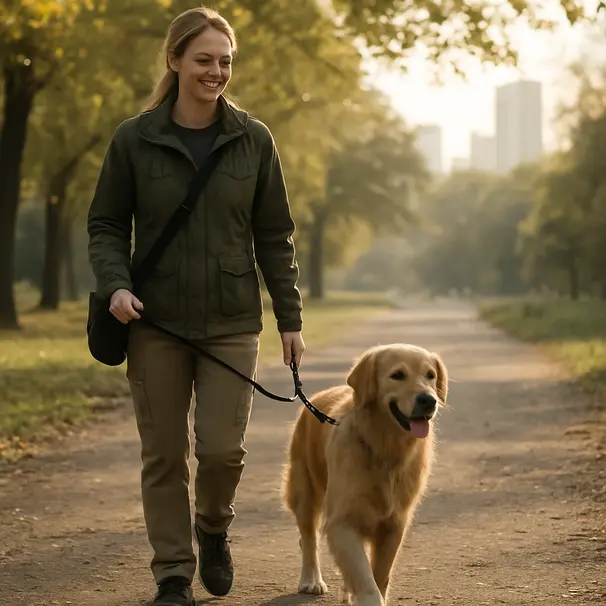
Why a trusted pet carer matters
Leaving your dog with someone else can stir up more feelings than you’d expect. Relief, guilt, worry, and hope all sit in the same suitcase. A trusted pet carer helps turn that suitcase into a neat carry-on, so you can enjoy your time away while your dog keeps routine, comfort and happiness. A good carer respects your dog’s personality, listens to instructions, and keeps safety at the front of every decision.
Choosing someone right for your dog also protects your home, your belongings and your schedule. It reduces the chance of unexpected vet visits, missed walks, or anxious barking. And importantly, it builds a relationship that benefits your dog long term, from reliable exercise to consistent training reinforcement.
Start with a clear picture of your dog’s needs
Before you even start searching, write down what your dog really needs. The clearer you are, the easier it will be to find a match.
- Age and energy level. Puppies need more frequent interaction and supervision, middle-aged dogs may need structured walks, seniors often need gentler routines and help with stairs.
- Health and medication. Note any ongoing conditions, allergies, or meds that require precise timing. Consider whether the carer needs experience giving injections, applying topical treatments, or administering pills.
- Social preferences. Is your dog dog-friendly, shy, or reactive? Do they need a slow, supervised introduction to new people and pets?
- Training and behavior. Share commands your dog knows, leash manners, and any triggers like loud noises or bicycles.
- Routine and feeding. Detail meal times, portion sizes, sleep spots, and preferred toys.
Write these down and save them as a short care plan. It’s a simple way to communicate expectations and it helps you assess a carer’s fit faster.
Where to look for reliable carers
You’ve got options, and mixing a few will increase your chances of a great match.
- Local referrals. Ask friends, neighbours or your veterinarian for recommendations. Word of mouth is often the best place to start.
- Pet care platforms. Sites and apps let you browse profiles, view reviews, and see verified credentials. Use filters to narrow down carers with specific skills.
- Community boards. Dog parks, grooming salons and local Facebook groups sometimes have posts from trusted carers or satisfied clients.
- Kennels and daycares. These can be a good alternative for structured group time, but check staff-to-dog ratios and routines.
Take time to read reviews, but focus on patterns rather than single comments. Repeated praise for punctuality or clear communication is more meaningful than one glowing but vague review.
How to vet a candidate: profiles, interviews and references
Treat the process like hiring anyone who’ll be in your home. It’s friendly, but it’s still important.
- Read the profile carefully. Look for experience with dogs similar to yours, relevant certifications, and whether the carer mentions pet first aid or animal behaviour training.
- Ask for references. A good carer should gladly share names of recent clients. Call or message at least two, and ask specific questions about reliability, how they handled issues, and whether the dog seemed happy.
- Check identity and background. Many platforms verify IDs. If you’re meeting privately, ask for a valid ID and feel free to verify information.
- Conduct a video or phone call before meeting in person. Listen for warmth and patience in their voice. Ask about availability, cancellation policies, and their plan for emergencies.
Meet-and-greet: what to watch for
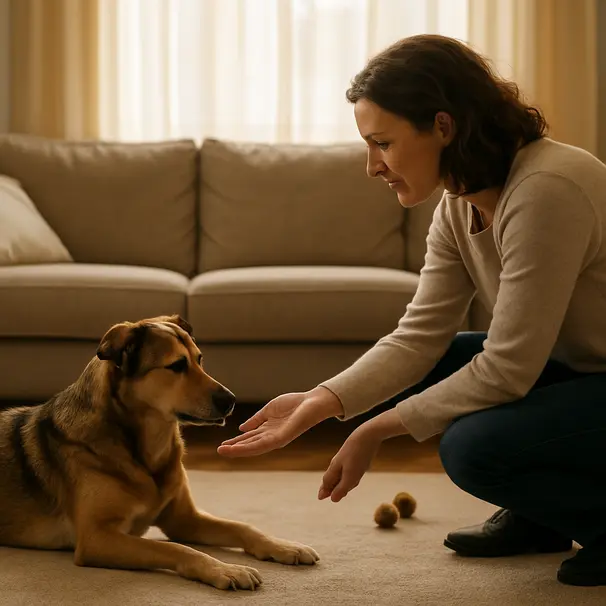
A face-to-face meeting is gold. Watch your dog’s reaction, but also observe the carer’s body language.
- Does the carer move calmly and confidently around your dog?
- Do they squat to your dog’s level, offer a gentle hand for sniffing, and avoid sudden movements?
- Are they asking thoughtful questions about routine, triggers and medical needs?
- Do they respect your boundaries and home rules?
If your dog seems relaxed quickly, that’s a great sign. If they hide or show strong stress signs, pause and reassess. Sometimes a shy dog needs a different personality match.
Important questions to ask
Bring these questions to interviews and the meet-and-greet. They’ll help you compare candidates objectively.
- What experience do you have with dogs of my dog’s age and temperament?
- How do you handle emergencies and what is your plan to contact me?
- Are you trained in pet first aid, and are you comfortable giving medication if needed?
- What is your policy on off-leash activities and dog park visits?
- Can you provide references from recent clients?
- How do you manage multiple dogs at once, and what is your dog-to-carer ratio?
- What happens if my dog shows signs of separation anxiety or unexpected aggression?
- Do you carry liability insurance and bonding for in-home work?
A good carer will ask you questions too. That’s a sign they take their role seriously and want to tailor care to your dog.
Trial runs and onboarding
Start small. A short trial walk or a half-day sitting gives you a real sense of how the carer and your dog fit.
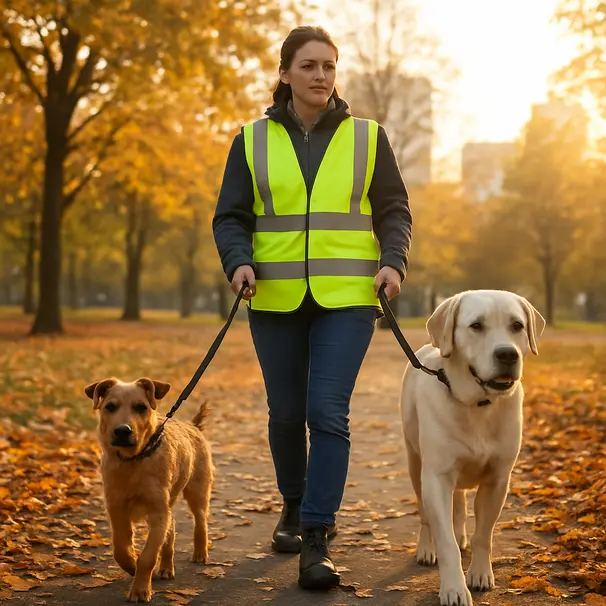
- Schedule a trial walk, ideally while you watch from a distance. See how the carer manages leash manners, interactions with other dogs, and basic commands.
- For in-home sitting, start with a few hours and request regular updates. Ask for photos and a plan for the time.
- Prepare an onboarding packet. Include your care plan, veterinarian contact information, emergency vet authorization, a list of meds, and clear feeding instructions.
- Leave a spare key or use a lockbox with clear instructions. Make sure the carer knows any alarm codes and house rules for off-limits rooms.
Trial runs reduce anxiety for everyone. They give you evidence rather than hope, and they give the carer confidence too.
Safety checks and emergency planning
Safety is a constant, not a checklist you tick and forget. Put systems in place that make help simple if something goes wrong.
- Ensure vaccinations and parasite prevention are up to date. Consider leaving proof of vaccination in your onboarding packet.
- Authorize your carer to seek veterinary care in an emergency, and provide your preferred clinic and backup clinics.
- Discuss where the dog will be confined if necessary, such as a crate or a quiet room, and provide clear instructions.
- Share specifics about medications, including dosing, timing and storage. Use labeled containers and a written schedule.
- Keep a small first aid kit visible and tell the carer where it is. Encourage them to take a basic pet first aid course if they haven’t already.
Encourage a carer to describe their emergency plan during the interview. Their answer tells you how they think under pressure.
Communication, scheduling and payment basics
Clear, compassionate communication prevents most misunderstandings.
- Agree on preferred communication methods, whether text, app messages, or calls. Ask for photos at key times like walk completion or feeding.
- Set expectations about punctuality, cancellations, and last-minute changes. A fair cancellation policy helps both sides.
- Decide on payment method and schedule before the first booking. Many platforms handle payments, which reduces awkwardness.
- Keep a short logbook or shared note with daily updates. A quick line about appetite, potty, walks and mood is all you really need.
Consistency builds trust. If a plan needs to change, a simple message usually avoids worry.
Red flags to watch for
Some signs suggest a carer may not be the right fit. Trust your instincts, and look for evidence.
- Hesitation to provide references or contact information is concerning.
- Vague answers about how they handle emergencies, or refusal to explain their plan.
- Repeated cancellations, lateness, or poor communication in early interactions.
- The carer doesn’t follow your instructions, especially about medical needs or feeding.
- Your dog seems consistently stressed or avoids the carer, even after a few gentle introductions.
If you see these signs, pause bookings and take time to find a better match.
Building a long-term relationship with a carer
When you find someone good, nurture the relationship. It makes life smoother and gives your dog a familiar face they enjoy.
- Offer regular bookings if you plan to travel frequently. Predictable work helps carers plan and reduces turnover.
- Share feedback kindly. Praise what works and suggest small adjustments. Most carers appreciate constructive notes.
- Reward excellent care with repeat bookings, a thank-you note, or a small tip after a particularly demanding job.
- Keep a binder or digital folder of your dog’s document updates, training progress and favorite routines. That makes transitions easy for new carers if you ever need one.
A steady carer can also help with small training goals, mental enrichment, and socialization. Over time, they learn your dog’s subtle cues and can prevent small issues from becoming big ones.
Final thoughts and next steps
Choosing the right pet carer takes a mix of practical checks and trusting your heart. Start with a clear care plan for your dog, vet candidates thoroughly, and use trial runs to test the partnership. Keep safety, communication and consistency at the center of every decision.
Remember, you don’t need perfection. You need someone responsible, empathetic and reliable who matches your dog’s temperament. If you’re ever unsure about health concerns, consider checking with your veterinarian for guidance. With patience and a little vetting, you’ll find a pet carer who feels like family, and that makes both travel and everyday life easier.
Good luck, and give your fluffy friend an extra scratch from me for being brave during the transition.