

Choosing Pet Care for Travel: Find the Right Pet Carer
Leaving your pet for a trip can stir up a surprising amount of worry. You want someone who will treat your furry family member like their own, keep routines steady, and handle surprises with calm. This guide walks you through how to find the right pet carer, practical steps for vetting and preparing, and ways to ease the transition for both you and your pet.
Start with the basics: types of care and what fits your pet
First, decide the kind of care that fits your animal’s personality and needs. Options usually include:
- In-home pet sitting: Carer stays in your home or visits several times a day. Great for pets who prefer their own environment.
- Boarding: Your pet stays at a kennel or a sitter’s home. Good for social pets who enjoy group time.
- Drop-in care: Short visits to feed, walk, or check in. Best for short trips or low-maintenance pets.
- Dog walking services: Focused on exercise and potty breaks while you’re away.
Think about your pet’s routine, health, and temperament. An anxious cat may do best with in-home visits or a sitter who stays overnight. A high-energy dog might thrive with a carer who offers long walks and playtime. Consider age too. Puppies and senior pets often need more attentive care and medication handling.
Finding trustworthy carers: where to look and what to check
Start local and use trusted platforms like Floofy to see profiles, reviews, and verified credentials. Ask friends and your vet for recommendations. When you find candidates, dig into these details during your initial screening:
- Experience with your pet’s species, breed, or special needs.
- References and recent reviews from other pet owners.
- Certifications, such as pet first aid or professional sitter training.
- Background checks or identity verification if available.
- Insurance or bonding to cover accidents and property issues.
Keep your conversations friendly and conversational. Ask open questions about how they handle separation anxiety, medical doses, or emergencies. Good carers will answer clearly and ask you questions too. If someone’s vague or avoids specifics, that’s a red flag.
Questions to ask during the meet-and-greet
A meet-and-greet is essential. Think of it as a date for your pet and the potential carer. Bring up practical points and observe how your pet reacts.
Ask about:
- Daily routine: What will a typical day look like?
- Communication: How often will they send updates and photos?
- Handling emergencies: How do they contact vets and you in urgent situations?
- Medication experience: Have they administered pills or injections before?
- House rules: Will they follow your feeding, crate, and bedtime instructions?
Observe the carer’s interactions. Do they move gently? Do they let your pet approach them first? Watch body language from both sides. A calm, confident carer who respects boundaries usually makes a better match.
Trial runs and short stays: test the fit
Before a long trip, schedule a short trial visit or overnight stay. It gives your pet a chance to adapt and gives you a real sense of how the carer operates. Use the trial to:
- See how the carer manages routine tasks like walks, feeding, and play.
- Evaluate how your pet responds to them when you’re away for a few hours.
- Confirm that the carer follows medication and dietary instructions precisely.
- Test communication frequency and the types of updates you receive.
If things go smoothly, you’ll feel more confident leaving on longer trips. If there are issues, it’s better to learn that during a short stay than mid-vacation.
Preparing your home and your pet
A little preparation goes a long way. Make your home easy to manage and comforting for your pet.
Create a care folder with everything the carer might need:
- Emergency contacts: your number, an alternate contact, and your vet’s number.
- Detailed routine: feeding amounts, walk times, crate rules, and favorite calming cues.
- Medication instructions with times, dosages, and administration method.
- Keys and alarm codes, plus clear instructions for house access.
- A list of safe spaces, off-limit rooms, and any fragile items to avoid.
Set up a “home comfort zone” where your pet has familiar bedding, toys, and a worn shirt with your scent if that helps. Label food containers and leave a small supply of treats for training rewards or comfort.
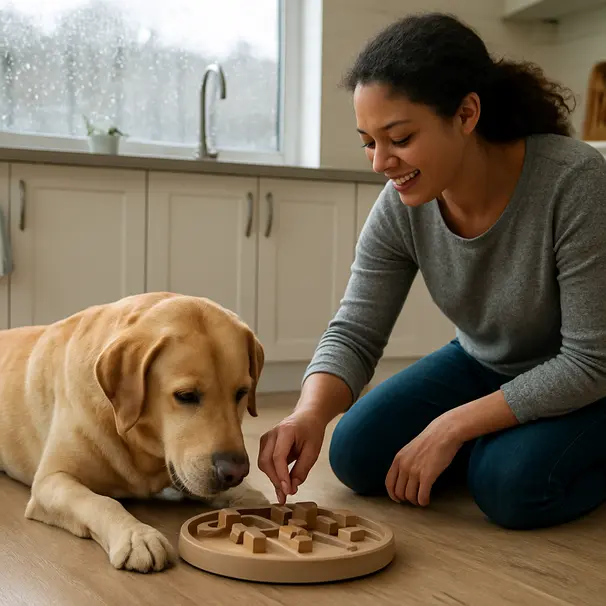
If your pet has separation anxiety, consider leaving background noise like an audiobook or light music. You might also leave interactive toys or puzzle feeders to keep them busy. These steps can help reduce stress while you’re away.
Health, medications, and vet permissions
If your pet takes medication or has medical conditions, you want absolute clarity. Prepare a medical sheet with:
- Recent medical history, allergies, and diagnoses.
- Medication names, dosages, times, and best administration practices.
- Instructions for monitoring symptoms and what to do if something changes.
- Written permission to seek veterinary care and a spending limit for emergencies.
Consider leaving a copy of your pet’s vaccination records and microchip details. Encourage carers to reach out to your vet for clarification if they’re unsure. Use phrasing like, “consider calling the vet if X happens,” so instructions sound practical rather than prescriptive.
Contracts, fees, and logistics
Be clear about money, responsibilities, and legalities before the trip. A simple written agreement helps everyone feel secure. Cover:
- Total fees and what’s included, such as walks, feeding, or overnight stays.
- Cancellation policies and how last-minute changes are handled.
- Supplies provided by the owner versus those the carer will bring.
- Liability clauses and emergency veterinary authorization.
- Payment method and tipping expectations.
A friendly, written plan removes awkwardness later. If you use a platform with built-in contracts or payment protection, that adds an extra layer of reassurance.
Matching personality and energy levels
A great match is more than experience. Think about your pet’s social and physical needs. Consider these pairings:
- Low-energy, older pets: a calm, patient sitter who’s happy with cuddles and short walks.
- High-energy young dogs: a carer who offers long walks, fetch sessions, and mental stimulation.
- Independent cats: someone who respects their space and provides gentle check-ins.
- Dogs with reactivity: a carer experienced in behaviour management and safe handling techniques.
When reviewing profiles, look for specific examples of similar pets they’ve cared for. Broad statements like “I love animals” are nice, but concrete examples tell you more.
Communication while you’re away
Decide on communication expectations before you go. Most owners appreciate:
- Daily check-ins with a photo or brief note.
- Updates after walks or medication doses.
- Immediate contact for emergencies rather than a text later.
Respecting a carer’s time is important too. Agree on windows when they can share updates and what constitutes an emergency. That balance keeps everyone relaxed, and your trip enjoyable.
Handling special cases: travel with multiple pets, seniors, and behavior issues
Multiple pets require extra thought about logistics, vehicle space, and attention balance. Make sure the carer has experience managing multiple personalities and can keep each pet’s routine intact.
Senior pets may need slower walks, frequent breaks, or medication at specific times. Communicate mobility limitations, preferred sleeping spots, and comfort items.
For behavior concerns like separation anxiety or resource guarding, ask about training backgrounds and how they handle escalation. A carer who offers steady, consistent responses can make big improvements over time.
Final checklist before you leave
Use this checklist the week before travel:
- Meet and greet completed, and a successful trial run done.
- Care folder prepared with medical and contact details.
- Sufficient food, medications, and supplies labeled and easy to find.
- House keys and alarm codes given securely.
- Clear written agreement on fees, services, and emergency authorization.
- A comfort plan for anxiety, including toys, music, or a calming scent.
Tips to ease your own worries
It’s natural to miss your pet. Some strategies that help owners relax:
- Schedule a short check-in call once home to hear how things went.
- Ask for a brief video or photos during the trip instead of constant messages.
- Try a short practice trip first to build confidence in your arrangement.
Trust grows with good communication and shared routines. Most pet carers genuinely want the best for the animals they look after.
Wrapping up: building a reliable pet care network
Choosing the right pet carer is about more than a single trip. Over time, you can build a small network of trusted people who know your pet’s quirks and routine. Keep notes about what worked and what didn’t, and update your pet’s care folder after each stay.
Use platforms, references, and trial runs to create a safety net. With preparation and thoughtful matching, travel can be enjoyable for you and comfortable for your pet. Happy travels, and may your pet feel loved and cared for until you return.