

Choosing the right pet carer: an easy guide for dog and cat owners
Taking the step to leave your pet in someone else’s care always feels a little heavy. You want them fed, safe, and, most of all, content. The good news is that with a little preparation and a warm, sensible approach, you can find a carer who treats your dog or cat with the same affection you do.
This post walks through practical tips for finding, meeting, and choosing a pet carer. Expect checklists, red flags to watch for, and ways to make transitions smoother for you and your pet.
Why the right carer makes a difference
A reliable carer keeps routines steady, notices small changes, and knows how to respond calmly in an unexpected situation. That matters for behavior, appetite, and overall wellbeing. Good carers reduce stress for pets and owners. They can help maintain training progress and keep shy or anxious animals comfortable.
Pets show trust in subtle ways. A sitter who understands those signals can prevent problems before they start. That’s why looking beyond price and availability is worth the time.
Types of pet carers and what they do
- Dog walker: Short or long walks, exercise, basic feeding, and bathroom breaks.
- Pet sitter: Visits to your home for feeding, play, and companionship. Some sitters offer overnight stays.
- Boarding/home boarding: Your pet stays at the carer’s home or a facility.
- House sitter: The carer lives in your home while caring for pets and often handles mail and basic home tasks.
- Foster or temporary respite: Short-term placement, usually for animals in need or while owners are in transition.
Think about what your pet needs: structured walks, medication, slow introductions to new people, or a calm indoor routine. Each service type suits different animals and personalities.
Where to look and how to vet candidates
Start with trusted sources. Ask friends, your vet, or local trainers for recommendations. Online platforms can widen the pool, but use them with a careful eye.
What to check early:
- Reviews and references: Read several. Call references and ask about punctuality, reliability, and how the carer handled problems.
- Background checks: Many platforms offer ID verification and basic checks. Don’t skip asking about insurance and bonding.
- Experience with your pet type: Cats and dogs behave differently. Some carers excel with anxious cats but prefer low-energy dogs.
A good initial message or phone call can reveal communication style. Are they prompt? Do they ask thoughtful questions about your pet’s routine? That often signals professionalism.

Screening questions to ask before meeting
Have a short list ready. Focus on specifics rather than generalities.
- How long have you been caring for pets? What kind?
- Are you insured or bonded? Will your insurance cover my home and my pet?
- Can you give references from recent clients? May I contact them?
- How do you handle emergencies? Do you have a preferred veterinary clinic?
- Are you comfortable administering medication, including injections or oral doses?
- What would you do if my pet became aggressive or escaped?
Observe tone and clarity. A sitter who answers confidently and calmly is likely to be practical in a stressful moment.
The meet-and-greet: setup and what to observe
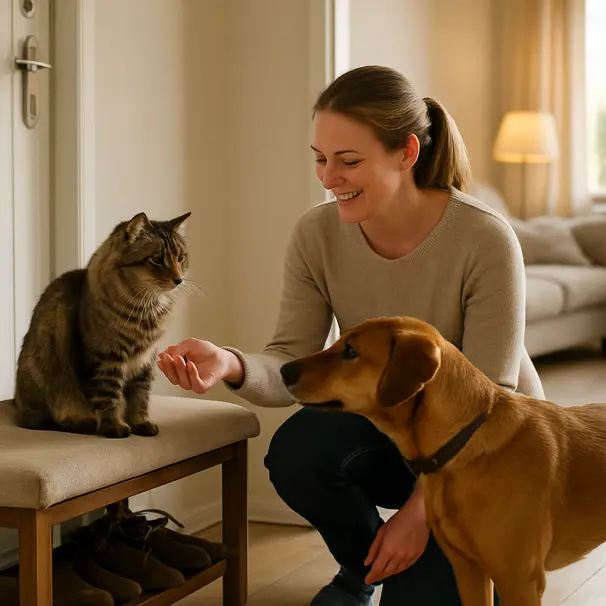
A trial meeting is priceless. It lets your pet sniff, circle, and take the lead while you watch.
Before the meet-and-greet:
- Prepare a quiet space and remove hazards.
- Have treats and favorite toys on hand.
- Plan for 20–45 minutes so nothing feels rushed.
During the meeting, notice:
- How the carer approaches your pet: calm, steady movements usually work best.
- Whether the carer listens to your instructions and asks clarifying questions.
- How the pet reacts: Does your dog warm up? Does your cat hide or show curiosity?
- Practical skills: Can they clip a leash correctly? Do they know basic calming techniques for nervous pets?
If your pet stays uneasy, that’s okay. A gradual introduction and more than one short visit may be the answer.
Dog-specific considerations
Dogs often need structure and cues that their routine will be followed.
- Walk style: Ask about walk length and whether other dogs will be present. If your dog is reactive, a solo walk may be safer.
- Exercise and enrichment: A good carer matches activity level to your dog’s age and health.
- Handling strangers: If your dog is shy or aggressive, ensure the carer has experience with counter-conditioning and safe handling.
- Emergency readiness: Can the carer load and secure your dog for a vet visit quickly?
Consider a short trial walk to see how they manage leash manners, recall, and interactions with other dogs.
Cat-specific considerations
Cats value routine and safe spaces. Many sitters excel at cat care but it’s a different skill set.
- Litter box care: Confirm how often the sitter will scoop and whether they’ll change litter if needed.
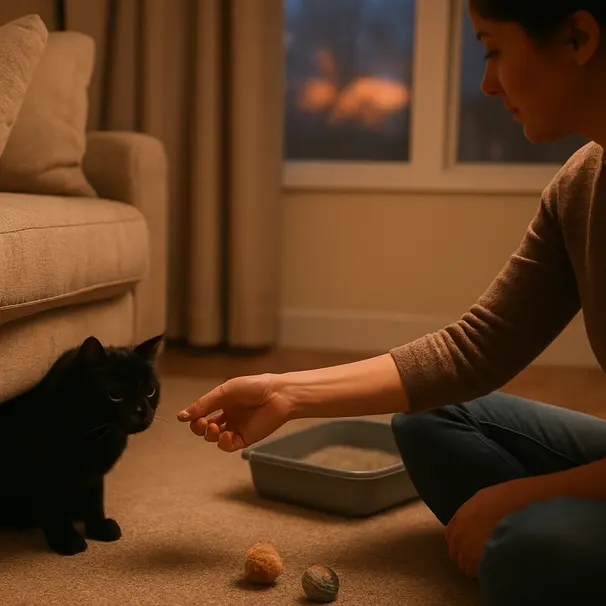
- Hiding and comfort: A sitter who knows to let a cat come out on their terms will reduce stress.
- Food and medication: Demonstrated patience with pills, pill pockets, or wet-food syringing can be important.
- Environmental enrichment: Ask if they will rotate toys, provide window time, or play gently with wand toys.
A sitter who offers daily photos and brief notes can help you relax while you’re away.
Handling medications and special needs
If your pet takes regular medication, make a clear, written plan. Use labeled containers and include dosages, administration times, and possible side effects to watch for. Invite the carer to demonstrate they can give the medication during the meet-and-greet.
For pets with chronic conditions or mobility issues, discuss:
- Mobility assistance and safe lifting techniques.
- Dietary restrictions and portion control.
- Signs of deterioration that require veterinary advice.
Always encourage carers to consult your vet if they notice worrying symptoms. You can provide an emergency contact and written consent for necessary veterinary treatment.
Practical paperwork and safety items
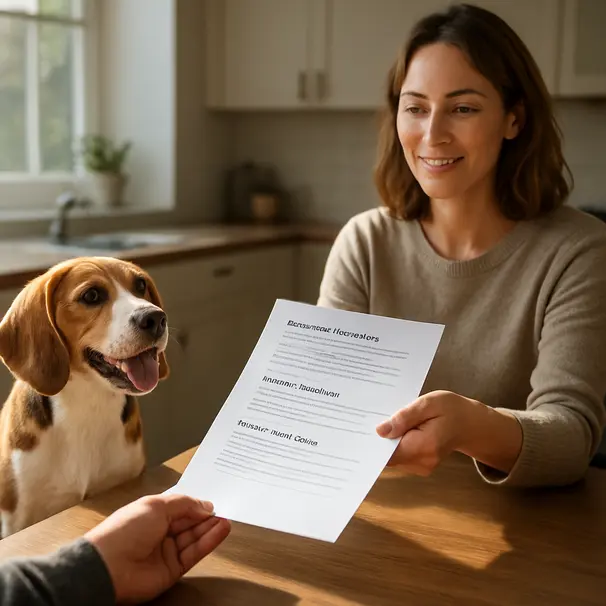
Create a pet care folder with essentials:
- Emergency contact numbers, vet contact, and preferred clinic details.
- Medication instructions and a recent photo of your pet.
- Feeding schedule, allergies, and behavioral triggers.
- House rules: rooms off-limits, furniture permissions, and where leashes are stored.
Leave clear home access instructions. Many owners use lockboxes, smart locks, or spare keys with trusted neighbors. Make sure the carer understands alarm systems and garbage routines.
Red flags to watch for
Some small signals matter. Trust your instincts if something feels off.
- Vague or inconsistent answers about experience.
- Reluctance to provide references or allow a background check.
- No willingness to sign a basic agreement covering cancellations, emergency care, or payment terms.
- Rushed meet-and-greet or trying to handle your pet without permission.
- Reports or signs of neglect: unattended pets, dirty environment, or unexplained marks.
If a candidate raises even one of these concerns, keep looking.
Trial period and payment details
Agree on a short trial period so you can see how the arrangement works in real life. Set clear expectations for:
- Payment method and schedule.
- Cancellation policy and notice period.
- What the carer will do if they are sick or can’t make a scheduled visit.
Fair treatment matters. Good carers are professionals and should be paid fairly for their time and the responsibility they carry.
Communication and updates
Ask what kind of updates you’ll receive. Many owners prefer daily messages with a photo and a short note about food, toilet breaks, and mood. For more anxious owners, a short video can be reassuring.
Agree on how quickly the carer will respond to messages and how they’ll contact you for minor or major concerns.
Building a long-term relationship
If a sitter is a great fit, nurture the relationship. Keep a small routine guide that updates with any changes. A little gratitude goes a long way. Treats, a thoughtful note, or a timely review on the platform helps reliable carers thrive.
Routine benefits everyone. Pets learn to relax when the same familiar person comes regularly, and carers get to know what helps your animal feel safe and happy.
Final checklist before you leave
- Have you completed a meet-and-greet and a trial visit?
- Are references checked and emergency contacts provided?
- Is medication clearly labeled with written instructions?
- Did you agree on payment, cancellations, and communication?
- Is there a written plan for emergencies and vet permission?
Taking these steps gives you confidence and gives your pet the best chance of enjoying their time with a new friend.
Parting thoughts
Choosing the right pet carer is part practicality and part heart. Look for someone who listens, shows respect for your pet’s personality, and follows practical safety steps. A great carer becomes a partner in your pet’s life—someone who knows when to play, when to be calm, and when to call for help.
Go slowly, trust your instincts, and keep your pet’s comfort as the priority. With patience and clear communication, you’ll find a sitter who makes time away from home calmer for everyone.
If you have a story about a sitter who became family, or tips that worked for you, share them. Other pet owners will appreciate the wisdom.