

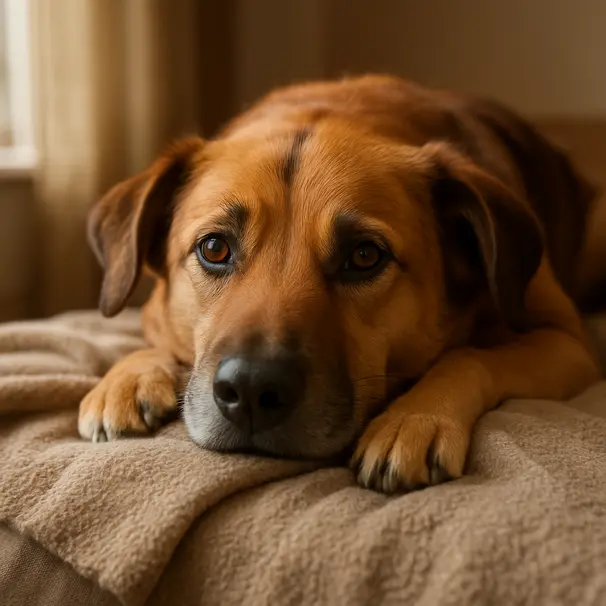
Cold dog noses, curious pups, and common questions
If you ever peeked at your dog and thought, “Is a cold nose a good sign?”, you are not alone. Many pet owners and carers notice nose temperature and moisture, and naturally wonder what it means. The short answer is that a cold nose is usually normal. The longer answer is more interesting, and helpful if you want to keep your dog comfortable and spot when something might need attention.
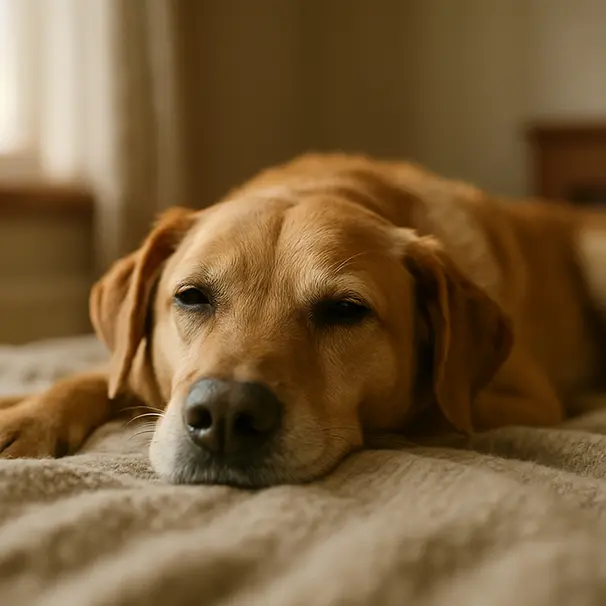
Why noses change temperature and feel
A dogs nose is not a thermometer, but it does respond to environment and behavior. Noses can feel cool and slightly damp for a few reasons:
- Environment: If the air is chilly or the dog just came in from the garden, the nose will likely be cool. Surfaces cool down quickly when the air is cold.
- Activity level: After sleep or rest, circulation to the nose can be lower, making it feel cooler. After play, noses might warm slightly.
- Moisture and licking: Dogs often lick their noses. Saliva and mucous can make a nose feel damp and cool to the touch.
- Breed and anatomy: Short-nosed breeds, long-nosed breeds, and dogs with different coat thicknesses show nose temperature differently.
- Humidity: In dry indoor air, noses may feel dryer and slightly warmer. In humid conditions, they may feel more moist and cooler.
These are ordinary variations, and they do not automatically point to a health problem. A cold, damp nose is often just a snapshot of the moment, like checking the windshield on a brisk morning.
When a cold nose is normal
Most of the time, a chilly nose is perfectly fine. Here are some everyday situations where you can expect it:
- First thing in the morning, right after a nap. The dog has rested and may feel cooler.
- After a calm indoor period, especially in an air conditioned or cooler room.
- Following gentle grooming or a bath where evaporation cools the skin.
- During a relaxed moment, when blood flow prioritizes core organs rather than nose temperature.
If your dog is acting lively, eating and drinking, moving normally, and their nose looks normal aside from the coolness, that is reassuring. Keep observing your dogs overall behavior and comfort.
When to pay attention: signs that may need a vet check
While a cold nose alone rarely signals illness, changes combined with other signs deserve attention. Consider contacting a vet if you notice:
- Lethargy, loss of appetite, persistent vomiting, or diarrhea.
- Unusual discharge from the nose, like thick colored mucus or blood.
- Signs of pain, swelling, or deep cracks on the nose surface.
- Sudden, unexplained behavior changes or difficulty breathing.
- A very dry, cracked nose that bleeds or seems infected.
If youre unsure, its reasonable to call your veterinarian. They can help you decide if an in-person exam or monitoring at home is the next step. A temperature check with a thermometer can provide more reliable information than nose feel, and your vet can advise how to do that safely.
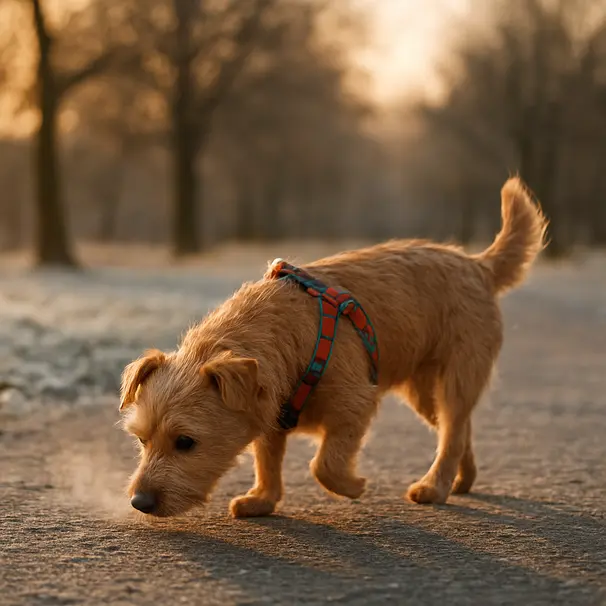
What to look for when checking a dogs nose
When you check your dogs nose, use a gentle, calm approach. Notice these things:
- Color and texture. Is the nose its usual color, or are there patches, scabs, or swelling?
- Moisture level. Slight moisture is normal. Thick, colored discharge or crusts can be signs of irritation or infection.
- Cracks or bleeding. Small cracks are often cosmetic and may respond to moisturizer, but deep cracks or bleeding should be discussed with a vet.
- Scent. A very foul smell from the nose might suggest bacterial growth or a foreign object.
Keep a mental note of your dog’s baseline. Some dogs always have cool, wet noses. Others naturally have a drier or warmer nose. Carers and sitters should learn the baseline for each dog they look after.
Simple home care and comfort tips
If a cold nose is the only thing you notice and your dog seems fine otherwise, here are practical ways to keep your pup comfortable:
- Offer fresh water regularly. Hydration can help mucous membranes stay healthy.
- Adjust indoor humidity, if your home is very dry. A humidifier may help the nose and skin.
- Use a vet-recommended nose balm for dry, flaky noses. Consider very small amounts, and always check ingredients with a vet to avoid anything toxic if licked.
- Keep the dog warm with blankets or a soft bed on chilly days, especially for elderly or thin-coated breeds.
- Prevent extreme exposure. Short walks in cold weather are fine, but avoid long exposure during frost or icy winds without protection.
Avoid home remedies with unknown ingredients, essential oils, or human lip balms, which may irritate or be harmful if ingested.
Myths and facts about nose temperature
There are a few common beliefs floating around, and it helps to separate myths from useful tips:
- Myth: A cold, wet nose always means the dog is healthy. Fact: It can be a sign of comfort, but its not a health certificate.
- Myth: A dry, warm nose always means fever. Fact: Noses change for many reasons and are not a reliable fever test. A proper thermometer and vet advice are better tools.
- Myth: You can diagnose illness by just feeling the nose. Fact: The nose is one small part of the picture. Behavior, appetite, energy level, and other signs matter more.
For pet carers: quick checklist and communication tips
If you pet-sit or work as a carer, the nose is one of many observations that help owners feel confident. Use this short routine:
- Note baseline. Ask the owner how their dogs nose usually feels, and any known quirks.
- Observe behavior. Eat, drink, bathroom habits, energy, and any coughing or sneezing.
- Take photos. If you notice unusual discharge, cracking, or swelling, a photo helps an owner or vet assess remotely.
- Keep a log. A brief note about when you noticed changes and any other symptoms makes conversations with the owner easier.
- Ask before treating. Always check with the owner before applying any balm or product to the nose, and suggest a vet if you see concerning signs.
If something seems off and the owner is not available, follow any emergency instructions they left, and call their vet for advice. When in doubt, err on the side of caution.
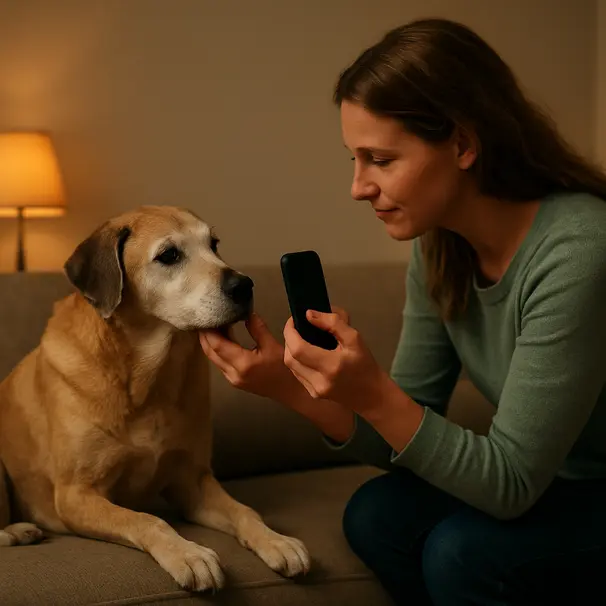
Weather, seasons, and special situations
Cold noses are more common in cool weather, but certain seasons bring other nose issues to watch for:
- Winter: Cold, dry air may crack noses. Salt and deicing chemicals on walks can irritate the nose if licked.
- Summer: Sun exposure can dry or burn the nose on very light-colored dogs. Shade and sun-protective measures can help.
- Allergies: Seasonal allergies can cause sneezing and nasal discharge, sometimes leading to changes you might notice on the nose.
Protect paws and noses from extreme elements, and use protective measures recommended by your vet for sensitive skin.
When you should see a vet right away
Some situations call for prompt veterinary attention:
- Heavy, discolored, or bloody nasal discharge.
- Sudden swelling of the face or nose, trouble breathing, or severe discomfort.
- Ongoing bleeding from the nose or deeply cracked skin that wont heal.
- Signs of systemic illness, like persistent vomiting, collapse, or seizures.
A vet can examine the nose, check for foreign bodies, infections, or systemic causes, and recommend tests or treatments. If you suspect poisoning, allergic reaction, or severe injury, seek emergency care.
Small steps that make owners and pups feel better
You do not need to be a medical expert to care well for a dogs nose. Warmth, hydration, gentle observation, and good communication between owners and carers go a long way. Here are some practical, low-effort habits that can help:
- Keep fresh water bowls available and refill often.
- Offer a soft blanket in cooler rooms and a comfy bed in sunny spots.
- Wipe away visible dirt gently with a damp cloth if the dog tolerates it.
- Ask owners about any favorite comfort items, routines, or known sensitivities.
- Record any subtle changes and share them promptly with the owner.
Quick guide for talking to a vet
If you call a vet, having these details handy helps them help you faster:
- When did you first notice the nose change?
- Is the nose dry, cracked, bloody, or discharging?
- Any change in appetite, energy, or bathroom habits?
- Any recent injuries, foreign body exposure, or known allergies?
- Photos or short videos can be very helpful.
A vet will advise if an in-person exam, home monitoring, or immediate care is recommended.
Final thoughts
A cold dog nose is usually nothing to worry about. It often reflects the moment, the weather, or a sleepy pup. More important than the touch of the nose is the whole dogs behavior. When a dog is bright, eating, and playful, a cool nose is typically just one of those harmless puppy quirks.
As a pet owner or carer, your attention and gentle care matter most. Keep an eye on changes, communicate with owners when you care for someone elses dog, and consult a vet when signs suggest more than a quick chill. That simple habit of watching and caring keeps tails wagging and noses healthy.
- Checklist: If you notice anything worrying, take a photo, note behavior changes, offer water, and contact the owner or vet.
Thanks for being a careful, kind friend to your dog. A little attention and a warm blanket go a long way.