

Community pet life guide: local meetups and walks with pet carers
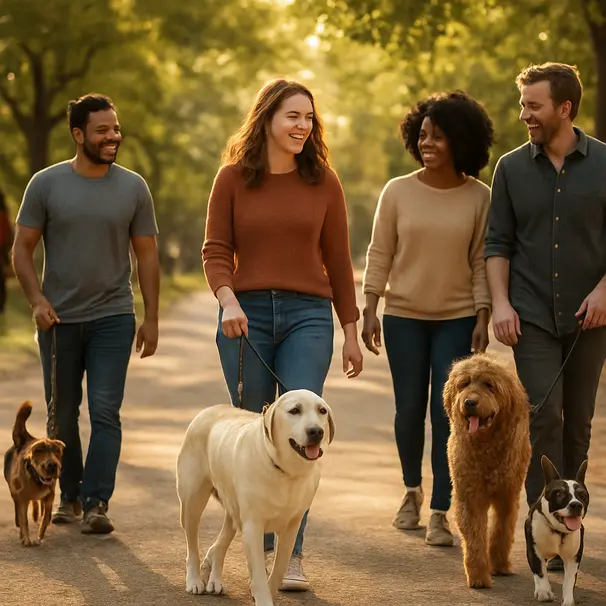
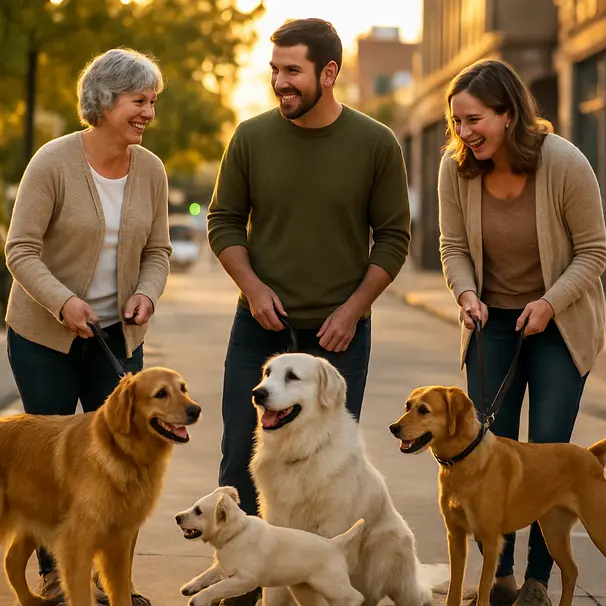
If you love seeing your pet wag, purr, hop or zoom around the neighbourhood, community meetups and organised walks can be pure joy. These gatherings bring pets, owners and trusted pet carers together for exercise, social time and friendly support. This guide helps you plan, join and run safe, fun local meetups and walks with carers you can trust.
Why local meetups and walks matter
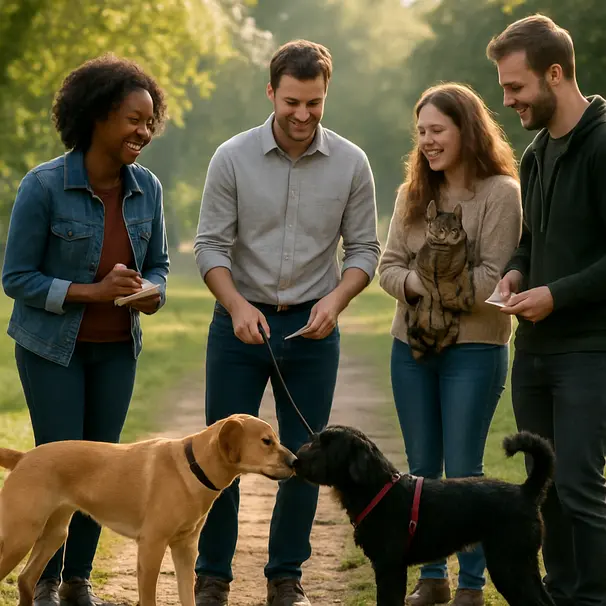
Local meetups and walks create simple routines that benefit pets and people. Dogs get mental stimulation and exercise. Cats who tolerate harnesses can enjoy supervised outdoor time. Small pets like rabbits and guinea pigs can take part in shaded, slow-paced meetups. For pet carers, these events are a chance to build experience, learn from owners and form lasting connections.
Meetups also build community trust. Neighbours who recognise a familiar carer feel more comfortable asking for help when life gets busy. That trust means pets are more likely to get consistent, attentive care.
Where to find local meetups and carers
Start with the obvious spots, then widen your search. Places to check:
- Your pet care platform profile listings and neighbourhood groups
- Local pet shops, groomers and vet noticeboards
- Community centres and city parks’ events pages
- Social media groups that focus on pets in your town
When you spot a meetup or a carer, read reviews, ask for references and look for profiles that mention training, first aid knowledge, and experience with your pet’s breed or personality. A friendly chat or short meet-and-greet can tell you a lot.
Planning a group walk: small details that make a big difference
Planning a walk that feels relaxed takes a little thought. Use this practical checklist:
- Choose a route with varied scenery and shade.
- Pick a start time that fits most pets’ energy cycles, often morning or early evening.
- Limit group size so carers can manage pets comfortably. Aim for four to six animals per lead carer.
- Share the route and contact numbers beforehand.
- Set clear meeting spots and a loose schedule, but keep it flexible.
If the walk includes a break, bring water, portable bowls and waste bags. For longer routes, plan a halfway rest where pets can slow down and sniff. That downtime prevents overstimulation and makes walks more enjoyable for everyone.
Safety and etiquette on group walks
Safety keeps the fun going. A few friendly rules help everyone relax:
- Keep leashes short enough to prevent tangles but long enough for pets to walk comfortably.
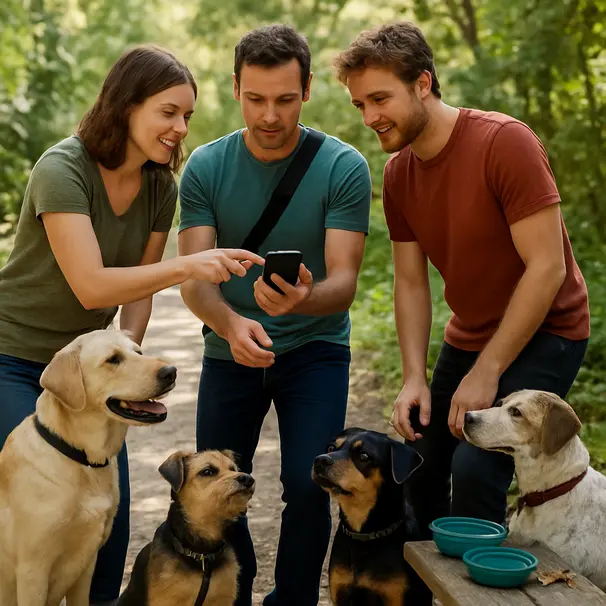
- Introduce new pets slowly, off-path if possible. Let dogs meet one-to-one before the group mingles.
- Watch body language. If a pet looks anxious, give space or remove them from the group.
- Bring health basics: a small first aid kit, contact details for the pets’ owners, and any emergency information.
- Respect local rules: leash laws, off-leash zones, and park opening hours.
Carers should communicate with owners about feeding schedules, medications and any special triggers. If a pet needs medication during the meetup, make sure the carer is comfortable providing it and that instructions are written down.
Matching carers to pets: practical tips
Not every pet pairs well with every carer. Use these pointers to create a good match:
- Experience matters. Look for carers who have handled dogs or pets with similar energy and temperament.
- Ask about training methods. Positive reinforcement and calm leadership are ideal.
- Trial sessions help. Begin with a short walk or a supervised meetup before committing to regular outings.
- Share emergency plans and medical needs up front. Even minor allergies can change a carer’s approach.
Good carers will ask thoughtful questions and share their own routines. If a carer seems rushed or evasive about details, keep looking. Trust and communication are worth the extra effort.
Setting expectations for owners and carers
Clear expectations prevent awkward moments. For organisers, create a simple one-page guideline that covers:
- Arrival and departure procedures
- Vaccination and parasite prevention requirements
- Rules about treats, toys and food sharing
- Behavioural standards, like not allowing jumping on people
- Cancellation and bad-weather policies
For owners, be honest about your pet’s quirks. A dog that chases bikes or a cat who dislikes other animals needs different handling. For carers, being upfront about costs, availability and crisis plans keeps everything running smoothly.
Making meetups inclusive for different pets
Not all pets enjoy the same environments. Here are ideas to make gatherings accessible:
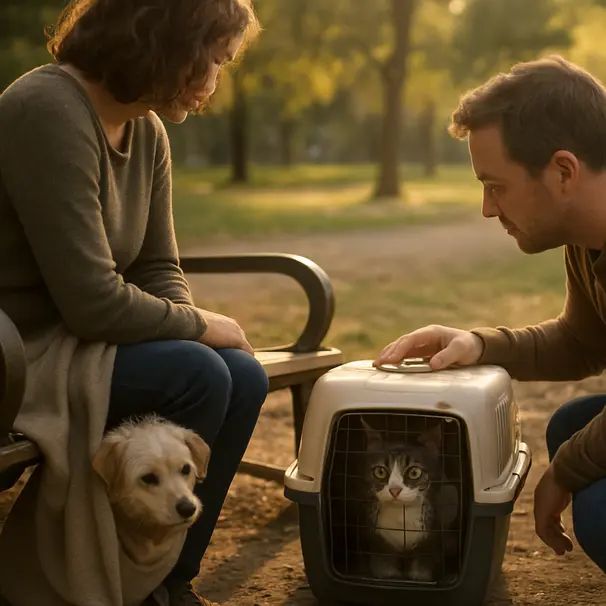
- Create a quiet zone. A bench with shade and low traffic helps nervous pets decompress.
- Offer alternative activities: short play sessions, scent games for dogs, or gentle handling practice for shy cats.
- Form subgroups based on energy level. A slow stroll is great for older dogs, while younger dogs might enjoy a more active loop.
- Consider indoor meetups when weather is bad. Community halls or pet-friendly cafes can host social time without overheating or rain issues.
For small pets, use secure carriers or shaded playpens. Never leave rabbits or guinea pigs unsupervised near larger animals.
Weather, seasons and timing
Weather changes the vibe of a meetup. Think ahead:
- Hot weather: Move walks to cooler times, stick to shaded paths and limit intense play. Consider paw protection if surfaces get hot.
- Cold weather: Shorten routes, bring warm blankets and watch for signs of discomfort.
- Rain: Some pets love puddles, others hate them. Have an indoor backup plan and towels for drying.
- Wind: Strong gusts can stress smaller animals and scatter scents; choose sheltered routes.
Encourage people to dress appropriately and bring water. For pets, consider a simple checklist owners can tick before joining a walk.
Building community beyond the walk
Meetups are great, but the best groups become neighbourhood resources. Try these ideas:
- Host occasional training sessions or basic first aid workshops led by a carer with relevant experience.
- Create a shared calendar so people can RSVP and organisers can plan routes around numbers.
- Start a lending library for pet gear: spare leashes, raincoats and collapsible bowls can save a last-minute scramble.
- Run themed walks. A gentle costume walk, a rescue awareness stroll, or a seasonal photo meet adds variety.
When carers and owners communicate openly, they build goodwill. That goodwill makes it easier to swap tasks, cover for busy owners, and keep pets safe.
Sample meetup checklist for owners and carers
Owners:
- Up-to-date vaccinations and parasite prevention
- Familiar leash and collar or harness
- Emergency contact and brief health notes
- Water, treats and waste bags
- Tidy carrier or pen if bringing a small pet
Carers and organisers:
- Contact list for all participants
- Route map and estimated duration
- Basic first aid kit and emergency plan
- Extra waste bags and portable bowls
- Clear arrival and departure instructions
A short pre-walk message to the group can avoid confusion and help everyone arrive prepared.
Handling difficult moments calmly
If tensions rise, de-escalation matters. Quick steps to take:
- Separate the animals calmly, using barriers or leads.
- Keep voices low and movements slow. Loud noises can escalate stress.
- Offer water and a quiet spot to whoever looks shaken.
- If an injury occurs, assess the situation and seek veterinary advice. Have vet contact details ready.
After any incident, organisers should debrief with involved owners and carers. Talk through what happened, how it was handled and what to change next time.
Growing the group sustainably
Slow growth beats a sudden influx. Invite new members thoughtfully and maintain group norms. Regularly revisit safety guidelines and update the group on any rule changes. Collect feedback after a few meetups to find small improvements.
Encourage mentorship between experienced carers and newcomers. That transfers practical knowledge and keeps the group consistent in approach.
Final thoughts: keep it friendly and flexible
The best pet meetups feel like a neighbourhood potluck: relaxed, a little imperfect, and full of personality. Focus on consistent communication, small group sizes, and practical prep. With a little planning, your local walks can become cherished routines that deepen bonds between pets, owners and carers.
If a pet has health concerns or special needs, consider discussing care plans with a vet and sharing any recommendations with the carer. A little advance planning can make every meetup safer and more enjoyable.
Ready to find your local group or host your first walk? Start with a short trial, keep conversations open and celebrate the small winslike a shy dog who wags at the end of a stroll. Community pet life is about connection, one happy paw at a time.