


Community stories: how pet carers and owners build lasting bonds
Every pet has a story, and many of those stories are written together by owners and carers. On Floofy, we’ve seen friendships that began with a meet-and-greet and grew into lasting connections. These relationships make everyday pet care kinder, calmer, and more joyful.
In this article you’ll find real-life snapshots from owners and carers, along with practical suggestions you can use right away. Expect anecdotes, gentle advice, and small rituals that can make a big difference in trust and wellbeing.

Why relationships matter: more than convenience
Bringing someone new into your pet’s life is about more than handing over a leash. Pets pay attention to tone, rhythm, and touch. A sitter who knows how Fido likes his treats, and an owner who trusts that sitter, helps reduce stress for everyone. There are a few key benefits to nurturing these bonds:
- Predictability for the pet, which can reduce anxiety.
- Clear communication between owner and carer so routines stay consistent.
- Carers who notice small changes in behavior and report them early.
Consider that a good relationship can also unlock extras: a carer who knows your cat likes feather toys may bring them along, or a walker who understands your nervous dog’s triggers can choose a calmer route. Those small choices add up to big emotional payoffs.
Three heartwarming stories from the Floofy community
1. The senior dog who found a second home
Maya, a retired teacher, needed a reliable walker for her elderly golden retriever, Baxter. At first Baxter was shy, sniffing at the new shoes and curling under the kitchen table. After three short walks with the same carer, Jasmine, Baxter began to wag before they left the door.
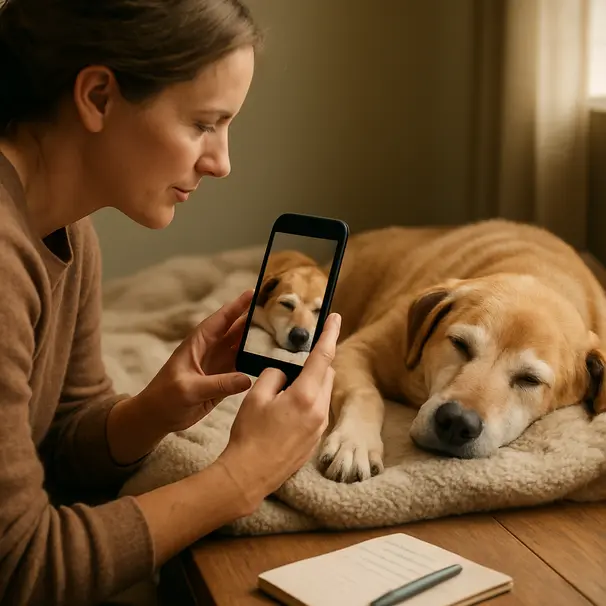
What changed? Jasmine matched Baxter’s pace, used the same quiet voice, and learned his favorite shady bench. She brought a soft blanket that smelled a little like Maya’s sweater, and Baxter took to napping on it during visits. Over time Jasmine and Maya developed a simple check-in routine: a photo after each walk and a short note about appetite and energy.
Practical takeaway: consistent caregivers and tiny comfort items can make older pets feel safe. Consider sharing a familiar blanket, and ask your carer to send photos and short notes.
2. A shy cat who learned to trust new hands
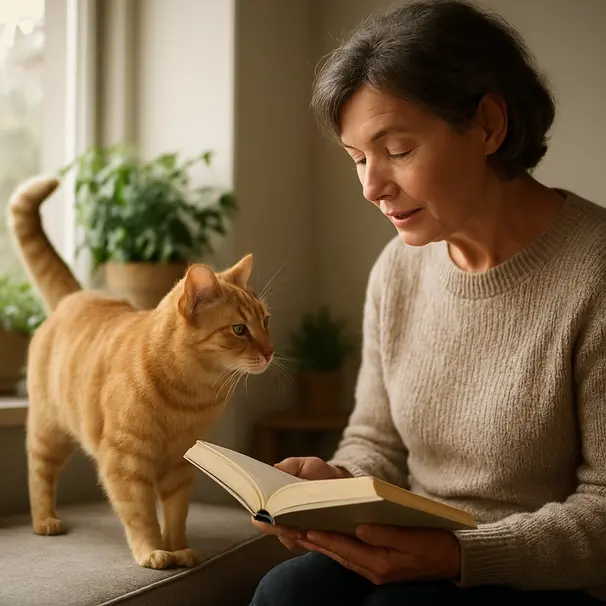
Leo, a tabby who loved the windowsill more than strangers, was terrified of being handled. His owner, Priya, hired Alex for a few visits while she traveled. Alex brought gentle patience and slow movements. Instead of reaching straight for Leo, Alex sat low and read aloud while letting Leo sniff his hand.
Within a week, Leo was climbing into Alex’s lap for short cuddles. Priya credits the success to three things: respect for Leo’s pace, mixing play with treats, and clear communication about feeding and medication schedules.
Practical takeaway: allow pets to set the pace. Ask carers to use calm voices, avoid looming over animals, and pair introductions with favorite treats or toys.
3. Puppy social skills and a village of carers
When Marco adopted a boisterous pup named Nala, he realized socialization would be a team effort. He booked a few short visits with different trusted carers on Floofy so Nala could safely meet a range of people. Each carer followed Marco’s simple notes: short, positive greetings, one-handed treats, and controlled playtime.
Nala learned to stay calm around different adults and responded better on walks because she had practiced leash manners with multiple people. Marco created a shared notes folder so carers could log progress and triggers.
Practical takeaway: coordinated communication among multiple carers helps puppies practice good manners without being overwhelmed. A shared notes system keeps everyone on the same page.
Building routines that stick
Pets thrive on routine. Help carers match your home rhythms by sharing details that seem small but matter a lot.
- Daily schedule: feeding times, nap windows, and walk preferences.
- Comfort cues: favorite phrases, the preferred collar or harness, and calming smells.
- Medical notes: any medications, how to give them, and when to contact a vet.
Create a short, friendly cheat sheet for carers. Keep it concise and upbeat, with clear points that a sitter can read in under a minute. A simple checklist for arrivals and departures reduces missed steps.
Sample arrival checklist (short and scannable)
- Knock once, call pet name, wait for response.
- Offer water, check food dish.
- Quick five-minute walk if scheduled, use harness A not collar B.
- Leave a 10-minute play or quiet time before departing.
These steps help pets adjust quickly and give carers a predictable routine to follow.
Communication tips that create trust
Great carers and owners are both good communicators. Try these friendly habits:
- Share a few labeled photos of your pet’s distinguishing marks and favorite toys.
- Use a messaging app for quick updates and photos. Short, consistent messages build rapport.
- Give feedback kindly. If something worked well, say so. If you’d like a change, suggest one small tweak.
Remember to include emergency contacts, preferred vet info, and any neighborhood quirks like noisy trucks or a neighbor’s cat that hangs around the fence.

Training, enrichment, and small rituals that bond people too
Bonding isn’t just about the pet. Owners and carers form routines together that feel like rituals: the five-minute ‘hello sniff circle’ before every walk, the extra tug-of-war at the end of a visit, or the way a carer always reads the pet’s favorite command in the same tone.
Try these ideas:
- Create a signature greeting. A simple phrase or hand signal triggers calm attention.
- Use consistent enrichment toys. Let carers rotate through a short list so your pet has familiar novelty.
- Keep a shared reward list. Note what treats can be used and where to avoid overfeeding.
If you’re working on behaviour goals, outline them clearly and set small, measurable steps. For medical or complex behavioral issues, consider consulting a vet or a trainer. Good carers can follow a plan, but professional guidance may be needed.
What to do when things don’t go smoothly
Even the best matches sometimes hit bumps. Maybe your dog doesn’t warm up to someone, or your cat hisses once before calming down. Here’s a calm approach:
- Pause and observe. Note the exact situation and what changed.
- Communicate. Tell the carer what happened and ask for their perspective.
- Adjust routines. A different time of day, a new approach to greetings, or a slower introduction may help.
- Involve a professional if needed. If a behavior seems risky, contact a trainer or vet for guidance.
These steps keep the relationship based on curiosity and cooperation, not blame.
How the Floofy platform helps: practical features that support connection
On Floofy, certain features make building bonds easier. A few owner-friendly options include:
- Detailed profiles where carers list experience, specialties, and preferences.
- Photo updates and short notes after each visit, so owners keep a steady picture of how their pet’s day went.
- Shared calendars for consistency, and the option to keep the same carer for routine days.
For carers, a consistent schedule helps pets relax. Trust grows when both sides use the tools available and keep feedback loops open.
Simple rituals to start this week
If you want to deepen the bond between your pet and their carers, try one of these small experiments this week:
- Host a 15-minute pre-visit video call so your pet can hear the carer’s voice while you’re present.
- Pack a familiar-smelling item for visits, like a towel or a worn t-shirt, and ask the carer to let the pet sniff it before leaving.
- Create a two-line note that lists one favorite toy and one comfort cue, and pin it near your pet’s food.
Small, repeatable actions often lead to the biggest changes.
A final note on empathy and patience
Relationships take time. Some pets will bloom after one visit, others need weeks of consistent care. The warmest bonds come from people who respect a pet’s rhythm, who celebrate tiny wins, and who keep communication kind and practical.
If you’re a pet owner, thank your carers for the small moments they bring into your pet’s life. If you’re a carer, remember how meaningful your calm presence can be. Between a thoughtful owner and a steady carer, pets get the best kind of companionship.
Every wag, purr, and relaxed sigh tells a story. With patience and a few routines, those stories can become shared memories that last for years.
Resources and next steps
- Create a one-page care sheet for your next sitter.
- Try a short video intro before the first solo visit.
- Keep a shared notes file for multiple carers.
Want to share your story? Post a note on Floofy and help other owners and carers learn what worked for you. Together we make a kinder, calmer world for pets and the people who love them.